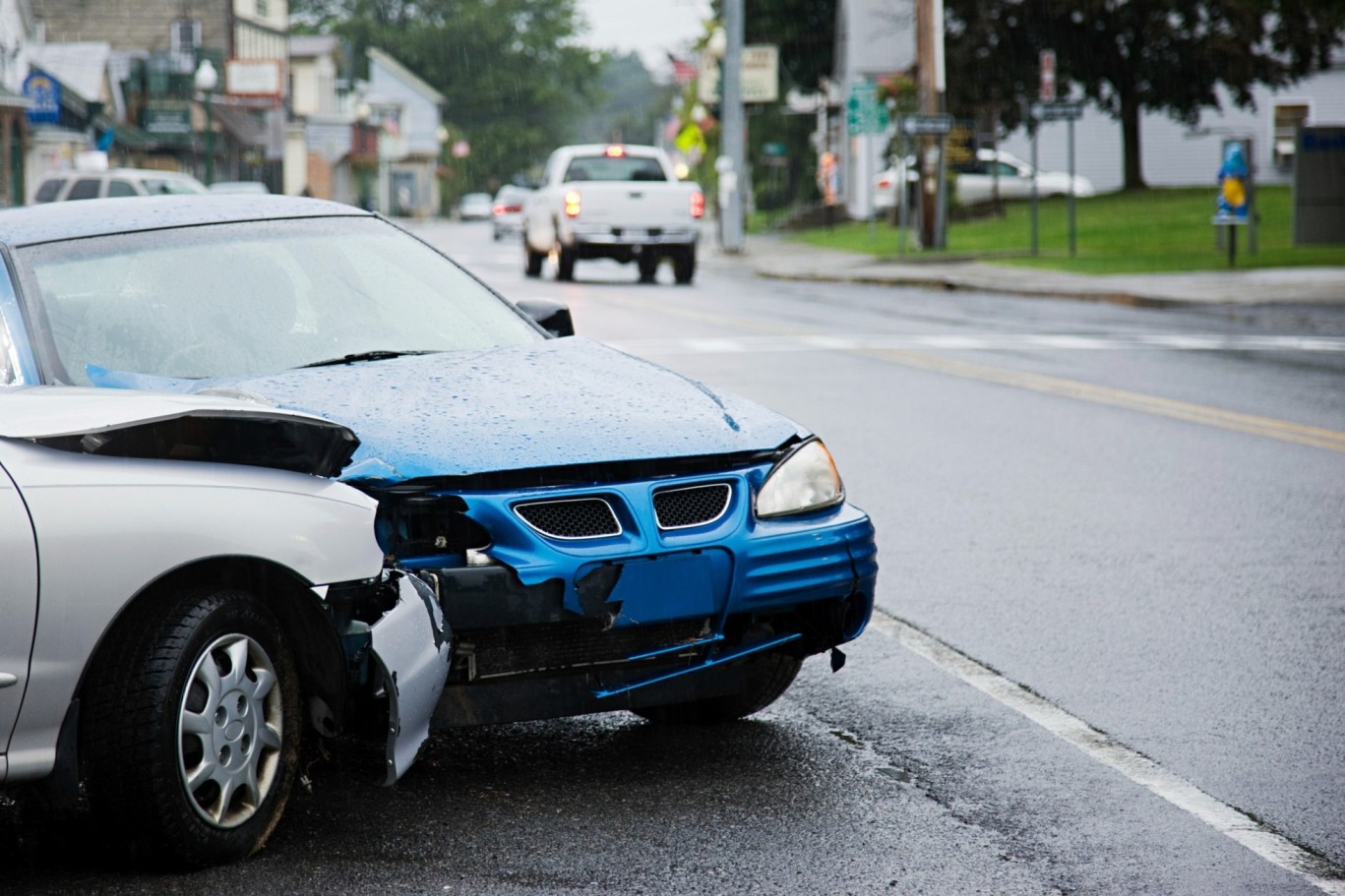
You are not ready for the time it occurs. You’re driving, maybe turning, maybe coming through an intersection, maybe backing out of a parking space, and then there is touch. One individual. And then all that follows is a rushed, confusing sequence that most drivers have never mentally prepared themselves for.
The legal situation after a Kansas City vehicle-pedestrian incident is even more complicated than that after a regular traffic accident. Multiple legal tracks are open at the same time. The stakes are higher. The decisions you make in the initial hours and days have implications that set the tone for everything that follows. First of all, to deal with this appropriately, you need to know what you are up against in a calm and straightforward way.
The Immediate Legal Framework
A pedestrian collision is a multi-faceted event, and knowing which facets of that event matter most will influence your response in those first vital moments.
Under Missouri law, drivers who are engaged in accidents that result in harm are required to stop, stay at the site, and offer reasonable help to anyone who is hurt. In Missouri, it is a felony to leave the scene of an accident causing injury to a pedestrian. The level of the felony depends on the magnitude of the injury, but it is a serious offense at any level. Whatever else is happening, the first step is non-negotiable: stay at the spot and summon emergency services.
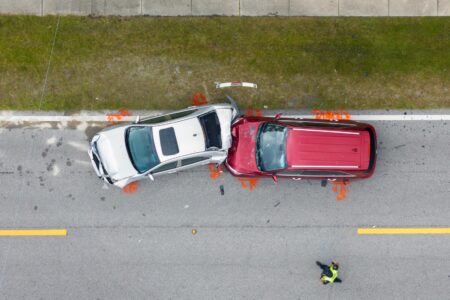
Law enforcement will come and document the situation. An accident report is filed. The report contains what the officer saw, witness accounts, physical evidence, and their analysis of how the collision happened. Everything in that report is the basis of evidence for every proceeding thereafter – traffic court, insurance, and civil litigation if the pedestrian or their family takes that path. The manner in which the incident is documented matters in ways that go beyond the immediacy of the moment.
The Traffic Citation Dimension
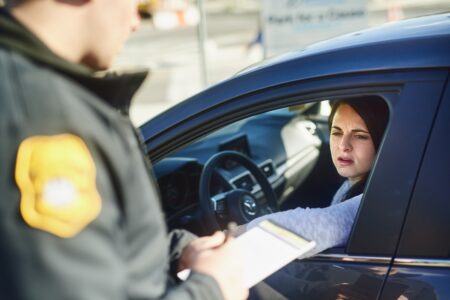
In the vast majority of pedestrian collisions, the driver receives a traffic citation. What citation gets written depends on the specific circumstances — failure to yield to a pedestrian, failure to reduce speed, negligent driving, or, in more serious situations, charges under Missouri’s reckless driving or vehicular assault provisions.
That citation is not just a traffic ticket. It’s the official documentation of the fault that every subsequent legal proceeding references. How the traffic citation gets handled affects the insurance claim. How it affects the insurance claim affects your premiums and potential personal liability exposure. The traffic court proceedings and the civil proceedings are not separate problems — they’re connected, and decisions made in one affect outcomes in the other.
Prosecutors approach pedestrian cases differently from standard moving violations. A pedestrian was hurt. That fact shapes how aggressively the case gets pursued and how much latitude the system gives toward lenient outcomes. Early legal involvement — before any traffic court appearances, before any recorded statements to insurance investigators beyond what’s immediately required — changes the range of outcomes available.
The Civil Liability Dimension
Here’s the part that catches many drivers off guard — the pedestrian or their family can pursue a civil lawsuit entirely separate from whatever happens in traffic court. And they don’t need a criminal conviction to win.
Missouri civil courts use a lower standard of proof than criminal courts. A driver who’s acquitted of criminal charges, or whose traffic citation gets dismissed, can still face a civil judgment. The pedestrian’s medical bills, lost wages, pain and suffering, and long-term consequences are all damages that civil courts can award. Depending on the severity of injury, these figures can be substantial — potentially well beyond what standard auto insurance limits cover.
Missouri uses comparative fault principles in civil cases. Fault can be allocated between the driver and the pedestrian based on their respective contributions to the collision. Whether the pedestrian was crossing legally, whether they stepped into traffic unexpectedly, what visibility conditions existed, and what the driver was doing — all of these factors contribute to how fault gets allocated. The traffic citation’s documentation of the driver’s conduct feeds directly into that allocation process.
Why Early Legal Help Changes Everything
The decisions made in the first 48 hours after a pedestrian collision have an outsized influence on outcomes across all three tracks — traffic, insurance, and civil.
Evidence gets preserved or it disappears. Witness memories are clearest immediately after the incident. Physical evidence at the scene — skid marks, position of the vehicle, visibility conditions — gets documented accurately now or not at all. The accident report gets written with a particular framing that becomes the baseline for every subsequent account. Insurance investigators begin their process quickly, and recorded statements made without legal guidance can create documentation problems that persist through the entire case.
A Missouri traffic ticket lawyer who handles traffic incidents involving pedestrians understands how the traffic, insurance, and civil dimensions interact — and how decisions in one affect outcomes in the others. Speeding Ticket KC works with Kansas City drivers in situations where the stakes extend well beyond a standard traffic citation. Getting that guidance as early as possible — ideally before any recorded statements beyond the immediate emergency response — changes what options remain available throughout the entire process.
Questions Drivers Ask After a Pedestrian Collision
What are my immediate legal obligations after hitting a pedestrian in Kansas City?
Missouri law requires drivers involved in accidents with injuries to stop immediately, remain at the scene, call emergency services, and render reasonable assistance to anyone injured. Leaving the scene of a pedestrian injury accident is a felony — the severity depends on injury extent, but the exposure is serious at any level. Beyond the immediate emergency response, limiting statements to what’s required by law enforcement at the scene and contacting an attorney before making any additional statements is the appropriate sequence.
Will I definitely receive a traffic citation?
In most pedestrian collision cases, yes. The specific charge depends on the circumstances — failure to yield, failure to reduce speed, negligent driving, or more serious charges if the conduct was particularly reckless. That citation creates official documentation of fault that affects insurance claims and civil proceedings. How it gets handled in traffic court shapes outcomes in those other proceedings. Understanding what charge you’re actually facing — not just assuming it’s a routine ticket — is the first step toward a coherent response.
Can I be sued civilly even if the traffic citation gets dismissed?
Yes — and this surprises many drivers. Civil and criminal proceedings use different standards of proof. A dismissed traffic citation doesn’t prevent a civil judgment. The pedestrian or their family can pursue damages for medical bills, lost wages, pain and suffering, and long-term consequences entirely independently of what happens in traffic court. Missouri’s comparative fault framework allocates responsibility between parties — but a civil case can proceed regardless of how the criminal or traffic side resolves.
How does what I say at the scene affect later proceedings?
Significantly. Statements made to responding officers, witnesses, and insurance investigators become documented evidence. Admissions made in the immediate aftermath — even genuinely sympathetic ones — can be used in subsequent proceedings. This doesn’t mean being uncooperative with emergency responders or law enforcement at the scene. It means being deliberate about what gets said beyond the immediate emergency context, and getting legal guidance before making any recorded statements to insurance investigators.
How quickly should I contact a lawyer after a pedestrian collision?
Immediately — or as close to it as circumstances allow. Evidence preservation, witness contact, accident reconstruction, and legal positioning all benefit from early involvement. Every day that passes without legal representation is a day that evidence fades, witness memories shift, and the other side’s position hardens without a counterbalancing perspective. Speeding Ticket KC works with Kansas City drivers in exactly these situations — where a traffic incident has produced legal consequences that extend across multiple fronts simultaneously. The earlier the involvement, the more options remain available.