It’s the most routine thing in the world. You back out of your driveway, glance both ways, and pull onto the street. You’ve done it hundreds of times — maybe thousands — without incident. The muscle memory handles most of it. Your brain is already thinking about where you’re going before your tires have fully cleared the property line.
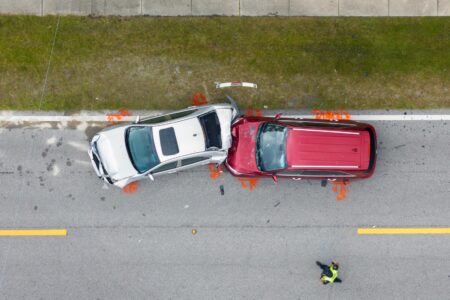
And then one morning, something goes wrong. Another car has to brake. A cyclist appears from the direction you didn’t fully check. An officer watching the intersection sees the whole thing play out. What felt like an ordinary departure becomes a traffic citation — or worse, a minor accident with legal consequences attached.
Driveway exit violations in Kansas City generate more tickets and insurance complications than most drivers ever anticipate. Not because they’re careless, but because the legal standard for a safe driveway exit is more demanding than the casual glance most people actually use.
What Missouri Law Requires When You Exit a Driveway
More specific than most drivers apply in daily practice — and that gap is where violations happen.
Missouri Revised Statutes § 304.351 requires drivers exiting a private road, driveway, or alley onto a public roadway to yield the right of way to all vehicles and pedestrians already using that roadway. The standard isn’t “I looked, and it seemed fine.” It’s whether your exit caused any approaching driver or pedestrian to adjust — brake, swerve, slow down, change direction — because of your movement into traffic.
That distinction catches people. The gap that looked workable from your stopped position in the driveway looks different to the driver already traveling at speed who suddenly has to account for your vehicle. A car that eases off the throttle slightly because of your entry has technically created the legal threshold for a violation — even if nothing dangerous actually occurred and nothing came close to contact. Officers who witness that reaction have grounds to write the citation right there.
Why Driveway Exits Create More Problems Than People Expect
The combination of factors that make these exits genuinely risky is worth understanding — not just legally, but in terms of why they generate citations as consistently as they do.
Sightlines from driveways deteriorate over time in ways drivers stop noticing. A hedge that’s added two feet of growth. A truck that’s been parked in the same spot on the street for six months. Construction equipment that appeared three weeks ago. These changes accumulate gradually, and the driver adapts to them without consciously updating their risk assessment. What felt like adequate visibility last year isn’t the same situation this year — and the legal standard doesn’t adjust for familiarity.
Kansas City’s residential streets, commercial corridors, and the areas around strip malls and parking structures all create constant driveway-to-roadway situations where traffic speed and driveway visibility create mismatches that result in close calls and citations. Seasonal factors compound this — snow banks narrow visibility in winter, and overgrown vegetation reduces sightlines in summer.
What the Citation Means Beyond the Fine
Most people treat a driveway exit citation like a parking ticket — annoying, but contained. The reality compounds.
Missouri adds points to your driving record for moving violations, and a driveway exit violation qualifies. Those points stay active for three years, accumulate toward suspension thresholds, and appear on records insurance companies check at renewal. A driver who pays without contesting can end up paying significantly more in insurance increases over the following years than the fine itself ever cost. When an accident was involved — even a minor one — the citation becomes documentation of fault that affects both the insurance claim resolution and the premium trajectory going forward.
For commercial drivers, any moving violation creates CDL record complexity that federal regulations treat with particular scrutiny. A driveway exit citation that feels trivial to a regular driver can create professional complications for someone whose livelihood depends on keeping a clean commercial record.
Where a Defense Actually Comes From
These citations feel obvious when you’re holding one. The specific circumstances often have more defensible space than people assume.
The critical question is whether your exit actually caused another driver or pedestrian to make a meaningful adjustment — not whether the situation looked close or made someone feel uncomfortable. Did the approaching vehicle actually have to brake or swerve? Or did they simply slow as part of normal traffic flow that was unrelated to your movement? That factual distinction matters legally, and it’s worth examining rather than accepting the citation as the definitive account of what happened.
Visibility conditions at the specific driveway location matter too. If parked vehicles, overgrown vegetation, or structures limit how far you could see before pulling out, that context factors factor into whether the cited conduct meets the legal standard for the violation. An attorney who examines the specific location can document those conditions and use them directly in building the defense.
A Missouri traffic ticket lawyer who handles these cases regularly knows where driveway exit citations have room to breathe. Speeding Ticket KC works with Kansas City drivers on these violations consistently and brings the local knowledge that shapes actual outcomes. Getting that perspective before deciding anything changes what options remain available.
Questions Drivers Ask About Driveway Exit Violations
What exactly makes a driveway exit violation in Missouri?
Missouri requires drivers exiting any driveway, private road, or parking area onto a public road to yield to all vehicles and pedestrians already there. The violation occurs when your exit forces another driver or pedestrian to adjust — brake, swerve, or change their movement. Physical contact isn’t required. Neither is there any actual danger. The forced adjustment itself meets the legal threshold, which is more demanding than the gap-assessment most drivers make in real-time situations.
Can I be cited if nothing actually happened?
Yes — and this genuinely surprises people. An officer who witnesses a driveway exit that forces another driver to react has grounds to write a citation regardless of whether contact occurred or anything dangerous actually happened. The threshold is the reaction your exit created, not the outcome. These citations happen in ordinary residential and commercial situations all over Kansas City without anything dramatic going on.
How many points does a driveway exit violation add to my Missouri license?
Most improper entry violations add two points, which stay active for three years. Those points count toward suspension thresholds and appear on records insurance companies review at renewal. Two points feel manageable until you factor in what’s already on your record from the past year or two. The cumulative picture is what matters — and it’s worth understanding that picture before you decide how to respond to the citation.
If there was an accident, does the citation affect my insurance claim?
Directly — yes. A traffic citation for a driveway exit violation creates documentation of fault that insurance adjusters reference when processing the claim. How that plays out affects both the claim resolution and your premium going forward. Addressing the citation and the insurance situation with awareness of how they interact produces better outcomes than treating them as completely separate problems. An attorney who understands both dimensions can advise on the full picture simultaneously.
Is getting legal help worth it for a driveway exit ticket?
For a single citation with a completely clean record and no accident involved, it depends on the specific circumstances. But for anyone with prior violations, anyone where an accident was connected, or anyone whose insurance situation makes additional points a real concern — yes, legal guidance makes a measurable difference. Speeding Ticket KC helps Kansas City drivers understand exactly what their specific citation means before making any decisions. That clarity at the start consistently produces better outcomes than paying first and figuring out the rest afterward.