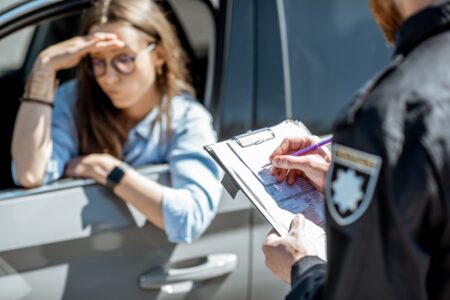

Kansas City construction never really stops. One week, it’s a lane closure on I-670, the next it’s a full road block near the River Market, orange barrels stretching as far as you can see. Most drivers slow down, reroute, and move on with their day.
Some don’t. And the ones who don’t — who ease around a barricade, squeeze past a closure sign, or just decide the blockage doesn’t apply to them — often end up wishing they’d taken the detour instead.
It Feels Minor. It Isn’t.
There’s a particular logic people use when they drive through a barricade. The road looks fine. The construction crew isn’t there. The closure seems precautionary, maybe even unnecessary. You’ve driven this stretch a hundred times, and nothing’s changed — so what’s the harm in going through?
The harm is that barricades exist for reasons that aren’t always visible from the driver’s seat. Unstable pavement. Open trenches. Workers just around the bend. Equipment moving in areas you can’t see yet. The barricade isn’t decoration — it’s communicating something specific about what’s ahead, and the law treats ignoring it seriously.
Driving through a barricade in Missouri isn’t a gray area. It’s a clear violation, and the consequences stack up faster than most people expect.
What Missouri Law Says About This
RSMo § 304.582 covers compliance with traffic control devices — and barricades fall squarely under that umbrella. When a road is officially closed and marked with barricades, drivers are required to obey those markings. Going around or through them isn’t a judgment call the driver gets to make. The closure is the instruction.
Officers treat this differently depending on context. A driver who slowly navigated around a single cone in a mostly open work zone might face a basic traffic citation. A driver who blew through a fully barricaded closure — especially one with active workers or emergency equipment present — faces something more serious. The statute gives prosecutors room to escalate charges based on the specific circumstances.
Construction zone violations carry enhanced penalties in Missouri. Fines can double inside marked work zones. If a worker or other person is injured as a result of a driver ignoring a barricade, the situation moves from a traffic matter into potential criminal territory. That’s not a hypothetical — it happens, and Kansas City courts take it seriously when it does.
The Situations That Actually Lead to Citations
Not every barricade violation looks the same, and it’s worth understanding the range.
Flash flooding is a big one in Kansas City. The city sits near two rivers, and heavy rain events regularly prompt emergency road closures — sometimes with very little warning. Drivers who know a road and assume the barricade is precautionary push through anyway. Sometimes the road genuinely is passable. Sometimes it isn’t. Officers who observe this cite it on the spot, and water rescue situations that follow can bring additional charges altogether.
Event closures are another category. When the Chiefs or Royals have a home game, or when a major event shuts down sections of downtown, temporary barricades go up fast. Drivers unfamiliar with the area, or just impatient, sometimes ignore them. Officers stationed at those closures don’t miss it.
Night construction creates its own problems. Reduced visibility, flashing lights, confusing detour signs — drivers sometimes genuinely don’t process a barricade until they’re already past it. That confusion is understandable, but it doesn’t automatically excuse the violation in court.
And emergency closures — accidents, gas leaks, downed power lines — are probably the most serious category. Those barricades protect both the public and the emergency workers on scene. Driving through them puts people at real risk, and officers respond accordingly.
The Penalties People Don’t Anticipate
A basic barricade violation in Missouri adds points to your license. Two to four points, depending on the specific charge and circumstances. Add that to anything else already on your record, and the math gets uncomfortable fast — Missouri suspends licenses at eight points within 18 months.
The fines themselves are higher inside work zones than standard traffic fines. That’s by design; Missouri intentionally increases penalties in areas where workers are present. And if the violation involved an active emergency closure, expect the fine to reflect the seriousness of the situation.
Insurance companies don’t distinguish much between types of moving violations. A conviction shows up on your record, carriers see it at renewal, and premiums go up. Over three or four years, a single ticket can cost significantly more than the original fine — just spread out and hidden inside monthly payments.
Paying the ticket eliminates every other option. That’s the part worth sitting with before you log on and pay online. Once it’s paid, it’s a conviction. Permanent. Visible. Counted.
A Missouri traffic ticket lawyer at Speeding Ticket KC can look at what actually happened — the specific closure, the signage, the officer’s documentation — and assess whether the citation holds up under scrutiny. The firm handles traffic cases across Kansas City and knows how these violations get evaluated in local courts. For a lot of clients, that assessment changes what they decide to do next.
When This Gets More Serious Than a Traffic Ticket
Most barricade citations stay in traffic court. But not all of them.
If a driver ignored a barricade and caused an accident, injured someone, or interfered with emergency operations, prosecutors have tools beyond a standard traffic fine. Reckless driving charges become possible. In serious injury cases, criminal charges follow. The original traffic violation becomes one piece of a much larger legal picture.
This is exactly why the response to a barricade citation — especially one involving an accident or a work zone with active personnel — shouldn’t be to just pay and move on. Getting a legal review first costs nothing and gives you a real picture of your exposure before you make any decisions.
Questions Drivers Ask After This Happens
1. What if I didn’t see the barricade clearly — does that matter?
It can, depending on specifics. If signage was inadequate, damaged, or obscured — and you can document that — it becomes a legitimate part of your defense. Courts don’t expect drivers to respond to warnings they couldn’t reasonably perceive. Photos of the location taken soon after the incident, combined with any available dashcam footage, give an attorney something concrete to work with. Visibility conditions at the time also matter — night, rain, and fog all factor into what a driver could reasonably have seen.
2. Are penalties higher if workers were present?
Yes, and by a meaningful amount. Missouri’s enhanced work zone penalties apply when construction or maintenance workers are actively present. Fines can double, and judges treat these cases with less flexibility than standard traffic violations. If workers were on site when you drove through, that detail matters both for the penalty level and for how seriously prosecutors approach the case.
3. Can this charge be reduced or dismissed?
It depends on the specifics. First-time offenders with clean records have a better shot at negotiated reductions — sometimes to a non-moving violation that carries no points and no insurance impact. Cases where signage was poor, the closure wasn’t clearly marked, or the circumstances were genuinely ambiguous give attorneys more to work with. Speeding Ticket KC evaluates these factors directly and gives clients an honest read on what’s realistic.
4. What if I drove through during a flood emergency and made it safely?
Making it through safely doesn’t retroactively make the decision legal. Missouri flood closure violations are cited regardless of outcome — the risk created by the entry is the violation, not the result. That said, context around the closure (how it was marked, whether alternative routes were available, what conditions looked like at that moment) can be part of a defense. Document everything you remember about the situation as soon as possible.
5. How fast do I need to respond after getting this ticket?
Move quickly. Court dates in Kansas City come up faster than most people expect, and the window for building a response narrows as time passes. Speeding Ticket KC recommends reaching out within days of receiving a citation — not weeks. Early contact means more time to pull relevant documentation, review the officer’s account, and assess your options before any deadlines close them off.