
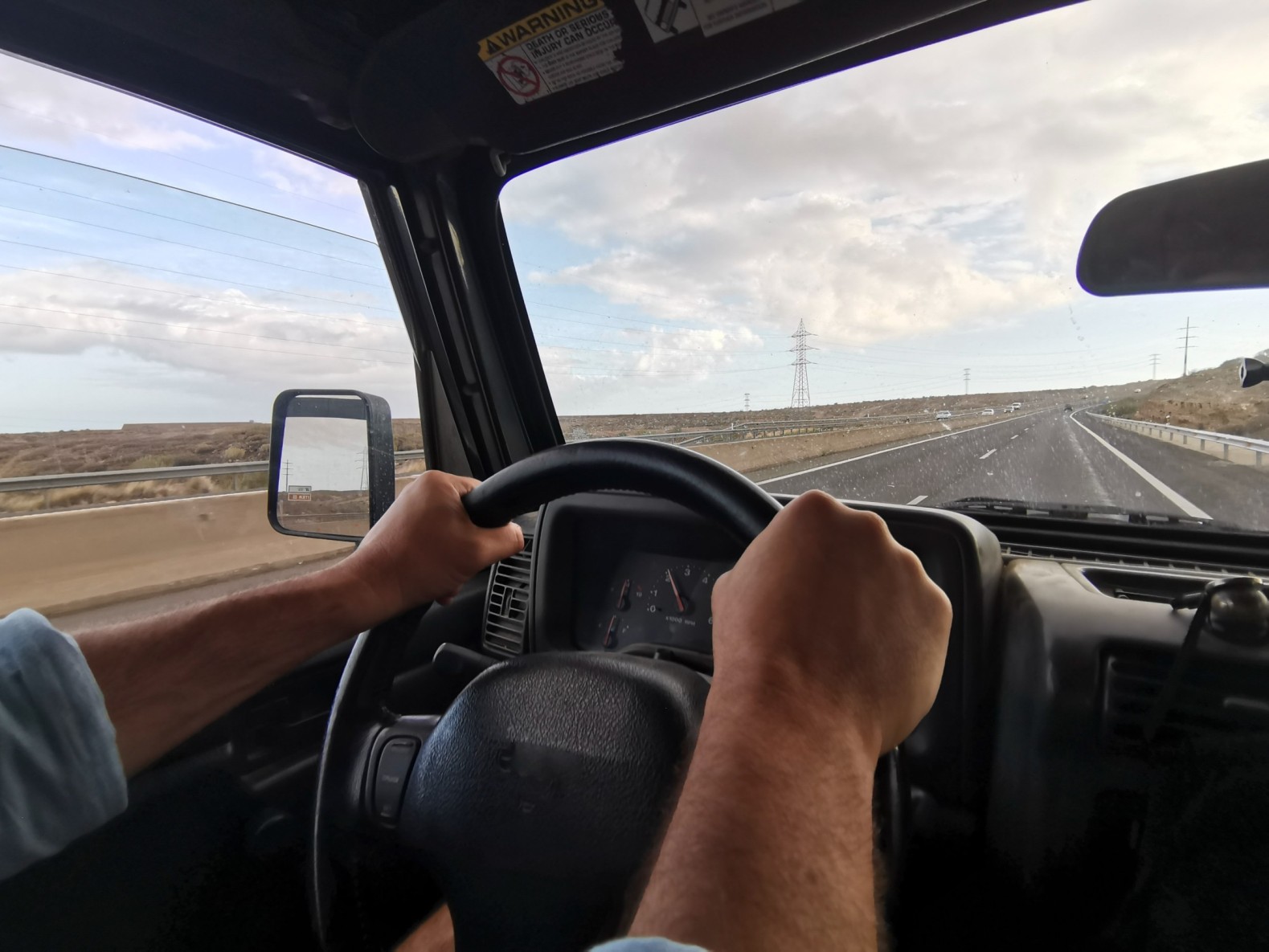
Texas is famous for its wide-open spaces, long highways, and a driving culture that moves at a rapid pace. When you are traveling through the heart of the Concho Valley, a routine trip can turn into a life-altering crisis in a single second. Getting help from a trusted attorney for car accident victims in San Angelo is often the most important step you can take to protect your health, your family, and your financial future after a major collision.
Understanding the Local Risks of San Angelo Roadways
San Angelo is a vibrant hub in Tom Green County, sitting right where the North, South, and Middle Concho Rivers meet. It is a city known for its historic downtown, the beautiful river walk, and Angelo State University. According to historical geographic profiles found on Wikipedia, the municipality sits uniquely at the northwestern edge of the Edwards Plateau and serves as a major commercial center for the surrounding rural counties. However, the unique mix of college traffic, local commuters, and heavy commercial vehicles creates significant risks on the local roadways. Navigating the legal aftermath of a crash in this region requires a clear understanding of Texas insurance rules, local driving hazards, and the specific steps necessary to build a strong injury claim.
The roads in and around San Angelo present specific challenges that drivers from other areas might not expect. For instance, Loop 306 experiences heavy congestion during morning and evening rush hours, particularly around busy intersections like Knickerbocker Road, Houston Harte Expressway, and Sherwood Way. The Houston Harte Expressway itself serves as a major urban corridor that handles a massive volume of passenger vehicles alongside large commercial trucks servicing the nearby Permian Basin oil fields. Additionally, routes like US Route 87 feature seventy-five mile per hour speed limits and long stretches of straight highway where rural intersection risks, livestock encounters, and sudden dust storms can cause catastrophic multi-vehicle accidents. Understanding these local factors is essential because the specific location and circumstances of a crash play a major role in determining liability.
The Financial Reality of Texas Insurance Laws
When a collision occurs on these West Texas roads, the financial and physical toll can be overwhelming. Texas operates under an at-fault insurance system, which means the driver who caused the accident is legally responsible for the resulting damages. State law requires drivers to carry a minimum amount of liability coverage, which is often referred to as the thirty-sixty-twenty-five rule. This means an insurance policy must provide up to thirty thousand dollars for injuries per person, sixty thousand dollars total for injuries per accident, and twenty-five thousand dollars for property damage. While this might sound like a significant amount of money, a serious crash involving emergency room visits, surgeries, and extensive vehicle repairs can exhaust these minimum limits almost instantly.
The Impact of Modified Comparative Fault
To make matters more complicated, Texas utilizes a legal standard known as modified comparative fault. Under this rule, a crash victim can only recover financial compensation if their percentage of responsibility for the accident is fifty percent or less. If an insurance company can prove that you were fifty-one percent or more at fault for the collision, you are legally barred from recovering any compensation from the other driver. Because of this rule, insurance adjusters routinely look for ways to shift blame onto the injured party. They might take a casual comment you made at the scene or a statement you gave over the phone and use it to argue that you contributed to the crash, effectively reducing the amount of money they have to pay you or denying your claim entirely.
Recognizing Insurance Adjuster Tactics
Dealing with insurance adjusters is one of the most challenging aspects of a personal injury case. Adjusters are trained professionals who work for corporations, and their primary goal is to minimize the financial payout of the company. Shortly after a crash, an adjuster might call you to offer a quick settlement. These early offers are almost always lowball estimates designed to close the case before you understand the full extent of your medical injuries or the long-term cost of your treatment. They might also pressure you to give a recorded statement about the incident. It is important to know that you are not legally obligated to provide a recorded statement to the other driver’s insurance company, and doing so without legal guidance can seriously harm your claim.
Navigating Medical Care and Letters of Protection
A major obstacle for many accident victims is securing proper medical care, especially if they do not have health insurance or cannot afford high insurance deductibles. Missing medical appointments or delaying treatment can severely damage an injury claim because insurance companies will argue that your injuries were not serious or were caused by something else. Experienced legal counsel can help resolve this issue by utilizing a legal document called a Letter of Protection. This agreement allows an injured person to receive necessary medical care from doctors and specialists without paying upfront, out-of-pocket costs. The medical providers agree to delay billing until the legal case is resolved, and they are paid directly out of the final settlement or court verdict.
Securing Evidence and Meeting Crucial Deadlines
Building a successful personal injury claim requires gathering and preserving a substantial amount of evidence. This process begins immediately after the collision by contacting law enforcement so an officer can create an official accident report. In Texas, an official CR-3 crash report, compiled under guidelines from the Texas Department of Transportation, provides vital details about the scene, weather conditions, statements from drivers, and the officer’s initial assessment of who caused the wreck. Other critical forms of evidence include photos of vehicle damage, pictures of the surrounding roadway, witness contact information, and comprehensive medical records that detail every injury and treatment plan.
Time is also a critical factor when pursuing justice after a motor vehicle accident. The Texas statute of limitations sets a strict two-year deadline for filing a personal injury lawsuit, starting from the exact date of the crash. If you fail to take legal action within this two-year window, you lose your right to seek compensation forever. While two years might seem like a long time, investigating a crash, negotiating with insurance companies, and preparing a formal lawsuit takes a significant amount of effort, making it vital to start the process as early as possible.
The Complications of Commercial Vehicle Accidents
The complexity multiplies if your accident involved a commercial vehicle, such as an eighteen-wheeler or an oil field service truck. Commercial accidents are governed by strict federal safety regulations, and commercial trucking companies employ powerful legal teams to protect their interests immediately after a crash. Financial resource data from the Texas Comptroller of Public Accounts indicates that regions like Tom Green County consistently experience a high volume of heavy infrastructure and transit demands, which translates to a higher presence of industrial trucks on local shipping routes. These cases involve multiple potentially liable parties, including the truck driver, the trucking company, the cargo loaders, and the vehicle maintenance manufacturers. Securing specialized representation is the only way to level the playing field against these large corporations and ensure your rights are fully respected.
Ultimately, recovering from a serious car accident is about restoring your quality of life. It involves recovering lost wages from missed work, paying off mountain-high medical bills, repairing your vehicle, and finding a way to move past the physical pain and emotional trauma caused by someone else’s negligence. By understanding the local roads of Tom Green County, learning the basics of state insurance policies, and recognizing the tactics used by corporate adjusters, you can navigate the aftermath of a collision with confidence and secure the resources you need to heal completely.
If you or a loved one has been injured on West Texas highways, you do not have to face the recovery process alone. Partnering with an experienced lawyer ensures your rights are protected while you focus on healing completely. Contact a local personal injury firm today for a free consultation to review your options.