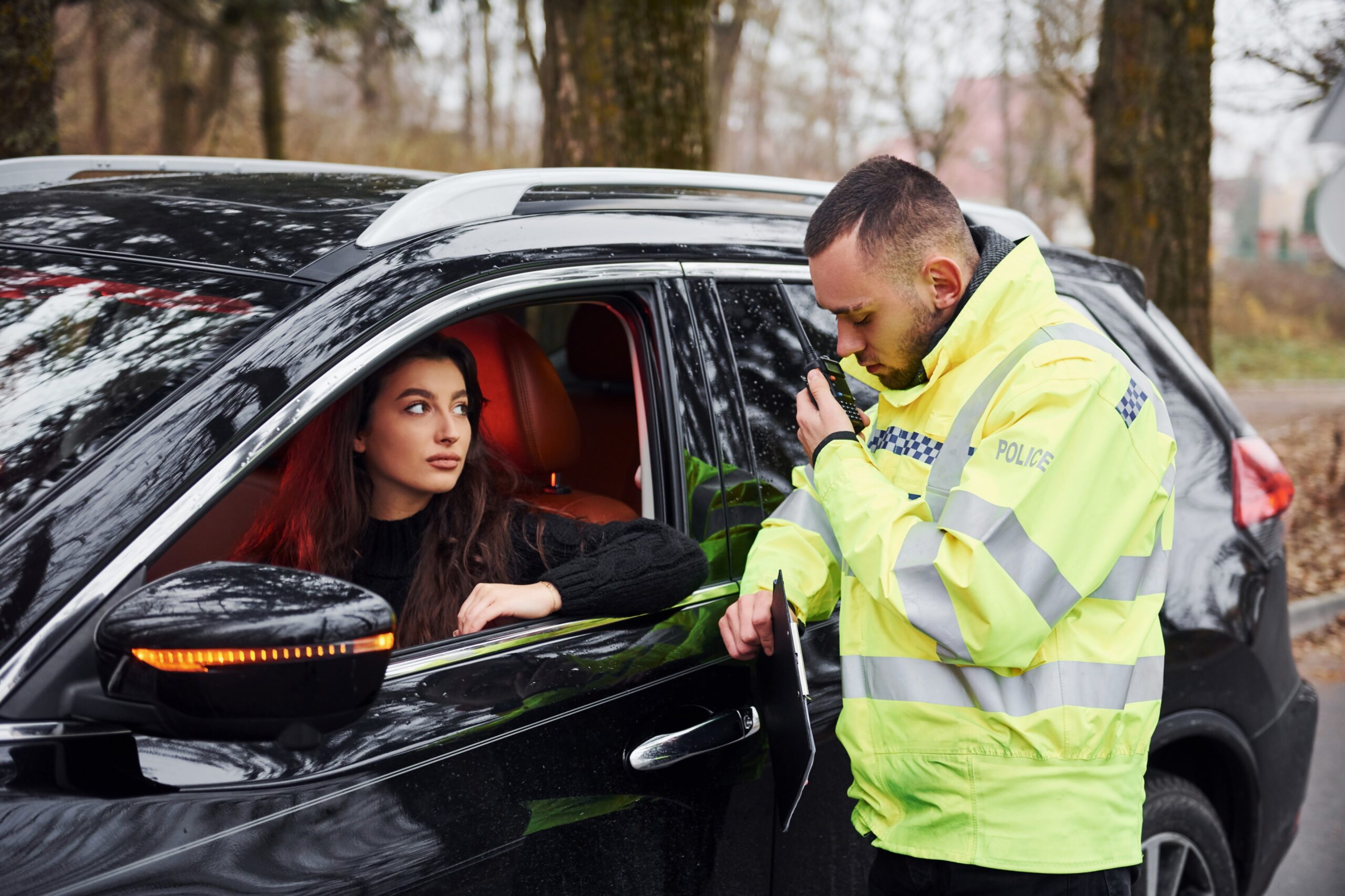
There’s a version of this situation that happens without any dramatic intent. Blue lights appear behind you on a stretch of road you don’t recognize; it’s late, you’re in an area that feels unfamiliar, and your instinct is to find a safer spot before pulling over rather than stopping immediately on an unlit shoulder. Or the signal is brief, you’re in heavy traffic, and you’re not certain it’s directed at your vehicle. You drive another block. Maybe two.
And then you’re being charged with eluding a police officer.
These situations don’t always involve someone with something serious to hide. The legal consequences are serious regardless. Understanding what rights you have, what the charge actually means, and where defense options realistically exist changes how you approach this from the moment it happens.
What Missouri Law Says About Failing to Stop
Clear, serious, and broader than people expect when they first hear the charge.
Missouri Revised Statutes § 575.150 addresses resisting or interfering with arrest, detention, or stop. When an officer signals a driver to stop through lights, sirens, or both, Missouri law requires compliance. Failing to stop, continuing to drive after that signal, or taking evasive action constitutes a criminal offense — not a traffic violation with points, but a criminal charge.
The base charge is a Class A misdemeanor — up to one year in jail, fines, and a criminal conviction that appears on background checks in ways no traffic ticket ever would. When the conduct involves excessive speed, reckless driving, or creates danger to others, the charge escalates to a felony. When injuries result from a pursuit, criminal exposure increases significantly beyond that. The charge is not graduated by intent — the law addresses the conduct of not stopping after a clear signal, not the reason behind it.
Driver Rights During and After a Traffic Stop
This is the part that often gets lost in the confusion of the moment — because having rights and knowing how to exercise them correctly are two different things.
You have the right to pull over in a safe location rather than stopping immediately on a dangerous shoulder — but you must do so promptly, signal your intent clearly, slow your speed immediately, and stop at the first reasonably safe opportunity. Driving at full speed to a location blocks away doesn’t qualify. The intent must be visible, the slowdown must be immediate, and the stop must happen as soon as practical.
Once stopped, you have the right to remain silent beyond providing required identification, license, registration, and insurance. You have the right to refuse searches without consent or a warrant, though Missouri law allows searches incident to lawful arrest. You have the right to an attorney before making statements about the circumstances of the stop or the reason for any delay in stopping.
Exercise these rights calmly, without confrontation. Invoking your right to silence and your right to counsel aren’t admissions of anything — they’re legal protections that exist specifically for situations where what gets said in the moment can create problems that didn’t need to exist.
Where Defense Options Actually Live
Eluding charges have more defensible space than people typically assume when they first grasp the seriousness of what they’re facing.
The first question is always whether the officer’s signal was clearly directed at the defendant’s vehicle — visible, audible, and unambiguously applicable to the driver being charged. Heavy traffic conditions, multiple vehicles present, signal timing, and the driver’s position all affect what a reasonable person could perceive in that moment. An officer’s account documents what they observed from their position. That account can be examined against the conditions that existed from the driver’s perspective.
Duration matters significantly. A driver who traveled two blocks in confusion before stopping is in a materially different legal position from a driver who led officers on a ten-minute highway pursuit. Both may carry the same initial charge — but how that charge gets prosecuted and what outcomes are realistic differ substantially based on the specific facts.
Voluntary compliance factors into how prosecutors approach these cases. A driver who pulled over as soon as a safe location was available, cooperated immediately upon stopping, and had no prior contact with law enforcement is a different case than a sustained, deliberate flight. These factual circumstances don’t eliminate the charge, but they shape what outcomes are realistically achievable with proper legal representation.
Why Early Legal Involvement Changes Everything
The decisions made before the first court appearance have outsized influence on every outcome that follows.
Statements made without legal guidance become part of the investigation record. Explanations that seem helpful in the moment — “I was looking for a safe place to stop,” “I didn’t realize it was directed at me” — become documented admissions when made without an attorney present to contextualize them properly. Plea decisions made without understanding the full charge and its realistic range of outcomes narrow options that would otherwise exist.
A Missouri traffic ticket lawyer who handles criminal traffic matters understands how eluding charges move through Kansas City’s court system and where defense strategy makes the most difference. Speeding Ticket KC works with drivers facing serious traffic-related criminal charges — including situations where a moment of hesitation or poor judgment at a traffic stop has created legal exposure that requires immediate attention and careful handling.
Questions: Drivers Ask About Eluding Charges
1. What are my rights if I want to find a safer place to pull over?
You have the right to pull over at a safe location rather than stopping immediately on a dangerous shoulder — but the exercise of that right has specific requirements. You must slow down immediately, signal clearly, and stop at the first reasonably safe opportunity. Continuing at normal speed to a location multiple blocks away doesn’t qualify as exercising this right. The intent to stop must be visible, and the stop must happen as soon as practical. Documenting your reasoning after the fact — why the immediate location felt unsafe, what you did to signal your intent — can be part of a defense, but it needs to be built correctly with an attorney.
2. Is eluding a criminal charge or a traffic violation in Missouri?
It’s a criminal charge — not a moving violation with points. The base offense is a Class A misdemeanor, carrying potential jail time up to one year, fines, and a criminal conviction that appears on background checks for employment, housing, and professional licensing. When the conduct involves dangerous driving or creates risk to others, the charge escalates to a felony. Understanding that this is a criminal matter — not a traffic ticket — is the essential first step toward responding appropriately.
3. Does voluntarily stopping eventually help or hurt my case?
It helps — meaningfully so. Voluntarily pulling over, even after a brief delay, is factually different from a sustained pursuit. It demonstrates that the driver’s intent was to comply rather than evade, and it significantly affects how prosecutors approach the case. The shorter the delay, the more cooperative the behavior upon stopping, and the clearer the explanation for the brief continuation — the more that voluntary compliance shapes the realistic range of outcomes. These details need to be documented and presented correctly, which is exactly what an attorney does from the beginning.
4. What can I say to the officer after stopping without creating more legal problems?
Provide your name, driver’s license, vehicle registration, and proof of insurance — Missouri requires these. Beyond that, invoke your right to remain silent and your right to an attorney before making any further statements. This isn’t about being uncooperative — it’s about not creating documentation that complicates your case before you’ve had a chance to understand what you’re facing. “I’d like to speak with an attorney before answering further questions” is a sentence that exists specifically for this moment.
5. How quickly should I contact a lawyer after an eluding charge?
Immediately — or as close to it as circumstances allow. The earlier legal guidance gets involved, the more the situation can be shaped rather than just responded to. Evidence gets preserved, or it disappears. The narrative that gets documented first becomes the baseline. Options that exist now narrow over time. Speeding Ticket KC works with Kansas City drivers on criminal traffic matters, including eluding charges — and the earlier the involvement, the more the outcome can actually be influenced rather than just managed after the fact.