
Most drivers think about speeding tickets as a simple equation — you were going faster than the posted limit, an officer clocked you, and now you have a citation. Clean and straightforward. What catches people off guard is a different category entirely: failure to reduce speed. Not that you were necessarily speeding. Not that you blew past a sign. But you didn’t slow down enough, given the specific conditions you were driving through at that moment.
This violation generates real citations in Kansas City, and it generates real confusion about what drivers were actually supposed to do differently. Understanding the law behind it — and what your options are when you’re holding a ticket — starts with understanding that posted speed limits aren’t always the whole story.
What Missouri’s Failure to Reduce Speed Law Actually Says
More nuanced than a standard speeding citation — and that nuance is exactly where people get surprised.
Missouri Revised Statutes § 304.010 establishes that drivers must drive at a reasonable and prudent speed given the existing conditions. Posted limits represent maximum speeds under ideal conditions. When conditions change — weather, visibility, road surface, traffic density, construction zones, school crossings, emergency vehicles — the law requires drivers to adjust their speed accordingly. Maintaining the posted speed limit when conditions clearly demand slower movement can still constitute a violation.
Let me explain what that means practically. Driving at 45 mph on a residential street during a heavy rainstorm when visibility is severely limited. Maintaining highway speed through dense fog while other traffic is clearly slowing. Approaching a school zone at the limit when children are visibly present, but the flashing lights haven’t activated yet. In each situation, the posted limit might technically allow that speed, but conditions create a separate and independent obligation to slow down. Officers who observe conduct that doesn’t match the conditions have grounds to write the citation regardless of what the sign says.
The Conditions That Most Often Generate These Citations
Some situations produce these violations far more consistently than others.
Weather is the biggest driver — literally. Kansas City winters bring ice, snow, and reduced visibility that change the safe operating speed on every road in the area. Spring rainstorms can reduce visibility and road traction dramatically within minutes. Drivers who maintain normal speeds through deteriorating conditions rather than adjusting create the kind of mismatch between conduct and circumstances that officers cite. The fact that you weren’t exceeding the posted limit doesn’t protect you when conditions clearly demanded something slower.
Construction zones generate these citations too — particularly when workers are present, and the construction activity creates road surface changes, reduced lane widths, or equipment movement that clearly calls for reduced speed. School zones during active hours, even when posted limits haven’t formally changed from their standard values, create heightened obligations that failure to address speed violations.
Accident scenes are another common context. Missouri’s Move Over law already requires slowing for stopped emergency vehicles, and failure to reduce speed in the presence of a scene that clearly demands attention creates citation exposure regardless of whether a move-over violation was also cited.
What the Ticket Actually Costs You
People often assume that a failure to reduce speed citation, being less dramatic than outright speeding, carries lighter consequences. Reality doesn’t bear that assumption out.
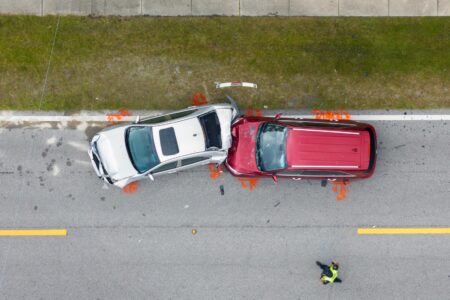
Missouri adds points to your driving record for these violations — typically two to three, depending on classification. Those points stay active for three years, accumulate toward suspension thresholds, and appear on records insurance companies check at renewal. When a failure to reduce speed citation is connected to an accident — which happens regularly, since these violations often surface specifically because something went wrong — the citation becomes documentation of fault in both the criminal traffic and civil insurance dimensions.
For commercial drivers, any moving violation creates CDL record complexity. A failure to reduce speed violation connected to an accident in a construction zone or school zone can carry enhanced consequences under both Missouri law and FMCSA regulations that affect CDL status.
Where Defense Options Exist
Failure to reduce speed citations is more contestable than they initially appear — because the standard is inherently fact-dependent and requires the officer’s characterization of the conditions to hold up under examination.
The officer’s assessment of what conditions are required is one perspective from one position at one moment. What road conditions, visibility, and traffic actually looked like from the driver’s perspective — including the speed of surrounding traffic, the point at which conditions changed, and whether the driver was actively responding to changing circumstances — all factor into whether the cited conduct actually fell below the reasonable and prudent standard the statute requires.
Weather conditions at the specific time and location, road surface reports, the officer’s specific position and sight lines, and whether the citation accurately describes what conditions actually existed — all of these are factual questions worth examining carefully rather than accepting the citation’s characterization as the complete and final account.
A Missouri traffic ticket lawyer who handles these violations regularly knows where failure to reduce speed citations are most vulnerable and how to build an argument around the specific circumstances. Speeding Ticket KC works with Kansas City drivers on these cases consistently and brings the local court knowledge that shapes real outcomes. Getting that perspective before deciding anything keeps options open that paying immediately closes permanently.
Questions Drivers Ask About Failure to Reduce Speed Tickets
How is failure to reduce speed different from a regular speeding ticket?
A standard speeding ticket is based on exceeding a posted limit. Failure to reduce speed is based on the obligation to drive at a speed that’s reasonable and prudent given existing conditions — regardless of what the posted limit says. Driving at the legal limit can still constitute a violation when conditions clearly require something slower. The violation is about the mismatch between your speed and the conditions, not just the number on the sign.
What conditions create the obligation to reduce speed in Missouri?
Missouri law addresses a range of conditions — weather events reducing visibility or traction, construction zones with active work or changed road surfaces, school crossings when children are present, accident scenes, emergency vehicle operations, and any situation where existing conditions make the posted speed unreasonable or unsafe. The standard is what a reasonable driver would do given those specific conditions — not what the maximum posted limit allows under ideal circumstances.
How many points does this violation add to my Missouri license?
Most failures to reduce speed violations add two to three points, depending on classification. Those points stay active for three years and count toward suspension thresholds — eight within eighteen months triggers a suspension. When the violation is connected to an accident, the citation’s documentation of fault also affects insurance premium calculations that compound over the following policy periods. Understanding your current record before deciding how to respond is essential information.
If conditions were deteriorating rapidly, does that help as a defense?
Yes — and it’s worth examining carefully. Whether conditions had genuinely deteriorated to the point that a reasonable driver would have reduced speed — versus conditions that were deteriorating but still within the range where posted limit speeds were reasonable — is a factual question. If you were actively responding to changing conditions and slowing at the time of the cited conduct, that context matters. An attorney who examines the specific timing and circumstances can identify whether that argument holds up in your specific case.
Is getting legal help worth it for a failure to reduce speed ticket?
For a single citation with a clean record and no accident, it depends on the specifics. But for anyone with prior violations, anyone where an accident was connected to the citation, anyone whose insurance situation makes points a real concern, or commercial drivers — yes, legal guidance makes a measurable difference. Speeding Ticket KC helps Kansas City drivers understand exactly what their specific ticket means before making any decisions. That clarity at the start consistently produces better outcomes than paying first and dealing with the full consequences afterward.