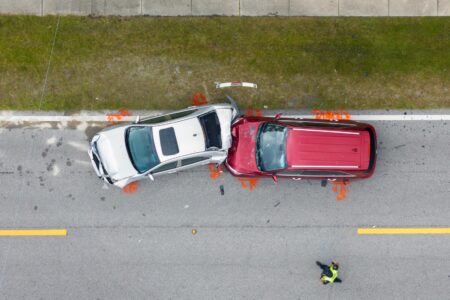

You made a turn. It felt completely normal. Maybe you swung a little wide. Maybe the light changed faster than expected, and you were already committed. Maybe you drifted into the wrong lane mid-turn without thinking twice about it. Nothing dramatic. Nobody was hurt. Just a turn — and somehow you ended up on the side of the road holding a ticket.
That feeling of “wait, really?” is real. And it’s one of the most common reactions traffic defense attorneys hear. Because improper turn charges in Kansas City get written constantly, and the people receiving them are rarely reckless. They were just driving. The gap between what felt natural in the moment and what Missouri traffic law technically requires is exactly where these tickets live — and that same gap is where a solid defense starts.
These Cases Are More Defensible Than They Look
Most drivers assume a citation is a done deal. The officer wrote it, so it must be accurate. Pay the fine, move on, done.
That assumption is one of the most expensive mistakes people make. Traffic citations are based on one officer’s observation — from one location, at one moment, under one set of conditions. That observation can be wrong. It can be incomplete. The officer’s vantage point, the speed of surrounding traffic, unclear road markings, or a signal that cycled faster than anyone could reasonably anticipate — none of that appears on the ticket. It only gets examined if someone actually looks for it.
A Kansas City traffic ticket lawyer who handles these cases regularly knows exactly what to look for — and where citations tend to fall short of proving what they claim.
The First Question Every Good Attorney Asks
Before anything else, does the cited conduct actually match the legal definition of an improper turn under Missouri law?
Missouri Revised Statutes § 304.341 is specific. Wrong lane approach, failure to complete a turn into the nearest correct lane, turning without signaling 100 feet in advance, and swinging wide into opposing traffic. The citation has to describe conduct that actually fits one of those categories. When there’s a gap between what the ticket says happened and what the law actually prohibits — that’s a legitimate defense angle. Not a technicality. The foundational question of whether the charge is even legally valid.
Speeding Ticket KC starts every case here. The statute, the citation language, and whether the two actually line up. More often than people expect — they don’t.
Road Conditions Are a Bigger Factor Than Most People Realize
Kansas City has intersections with genuinely faded lane markings. Traffic signals that cycle faster than drivers can reasonably respond to. Signage obscured by construction or overgrown trees. Lane configurations that changed recently but the pavement hasn’t caught up yet.
These are real conditions that real drivers navigate every single day. And when a turn went wrong partly because of those conditions — that matters legally. An attorney examining an improper turn case looks at the specific intersection carefully. Sometimes that means visiting it in person, pulling street-level imagery, or researching whether the city has documented maintenance issues there. If markings were unclear or signage was inadequate, those facts feed directly into the defense in ways that can genuinely change the outcome.
What the Officer Actually Saw — And What They Might Have Missed
Officers observe traffic from fixed positions or moving patrol vehicles at specific angles. Those angles don’t always capture the full picture.
A right turn that looked wide from behind might have stayed within the correct lane from a different position. A lane change mid-turn that appeared unsafe from one angle might have had adequate clearance when measured against actual traffic conditions. These aren’t invented arguments — they’re the genuine limitations of point-of-observation evidence. And they get examined in every case worth examining.
When an attorney requests the officer’s notes, their patrol location, and any dashcam or intersection camera footage — they’re looking for inconsistencies between what the citation claims and what the evidence actually shows. Those inconsistencies create real leverage. Sometimes toward full dismissal. Sometimes toward a negotiated reduction that keeps points off your record entirely.
What Good Outcomes Actually Look Like
This is worth being direct about, because outcomes vary, and no attorney should promise specifics.
Complete dismissal happens when the evidence doesn’t support the charge or when procedural issues undermine the citation. Reduction to a non-moving violation happens when an attorney negotiates based on record, mitigating circumstances, or weaknesses in the evidence. Even a reduction that avoids points entirely — while still technically resolving the ticket — is a meaningful win for someone trying to protect their insurance rates and stay clear of suspension territory.
Paying the fine without contesting closes every one of those doors permanently. Once you pay in Missouri, the conviction locks in. Points land. Insurance adjusts. And none of the outcomes that might have been available ever get explored.
Questions Drivers Ask About Improper Turn Defense
Can an improper turn ticket actually get dismissed?
Yes — more often than people expect. The key questions are whether the citation accurately describes conduct that violates the statute, whether the officer’s observation was complete and accurate, and whether road conditions contributed to the situation. Intersections with unclear markings or fast signal cycles create real defense opportunities. An attorney who examines the specific intersection and the specific citation can tell you whether the charge actually holds up under scrutiny — which is worth knowing before you pay anything.
What’s the most common defense angle in these cases?
It depends on the case, but the most common approaches involve questioning the accuracy of the officer’s observation, identifying road or signage issues that contributed to the turn, and examining whether the cited conduct precisely matches what Missouri statute actually prohibits. Sometimes the strongest defense is simply that the ticket describes something slightly different from what the law defines as a violation — and that gap alone creates grounds for dismissal.
Does unclear signage or faded road markings actually help a defense?
Significantly — yes. Missouri has specific standards for how lane markings and turn signage must be maintained. If markings were faded, signs were obstructed, or the intersection layout was genuinely confusing, that creates legitimate grounds to challenge whether the driver had fair notice of what was required. An attorney can document current conditions and research whether maintenance issues at that specific intersection are on record — both of which feed directly into the argument.
Can I negotiate a reduced charge instead of fighting the full ticket?
Yes, and for a lot of drivers, that’s the best and most useful way to go. A reduction to a non-moving violation gets rid of points on your driving record and still solves the ticket. Attorneys often work out these kinds of deals based on your past record, the details of the turn, and any mistakes in how the citation was written. You don’t always have to fight in court to get a really good result.
How does Speeding Ticket KC specifically handle these cases?
Every defense strategy is based on knowing certain Kansas City intersections, how local courts usually handle these cases, and how prosecutors actually handle these cases. The company looks at the law, the citation, and the state of the road before choosing the best course of action, which could be dismissal, reduction, or negotiation. Getting that assessment early, before any choices are made, is always where the best work gets done.