
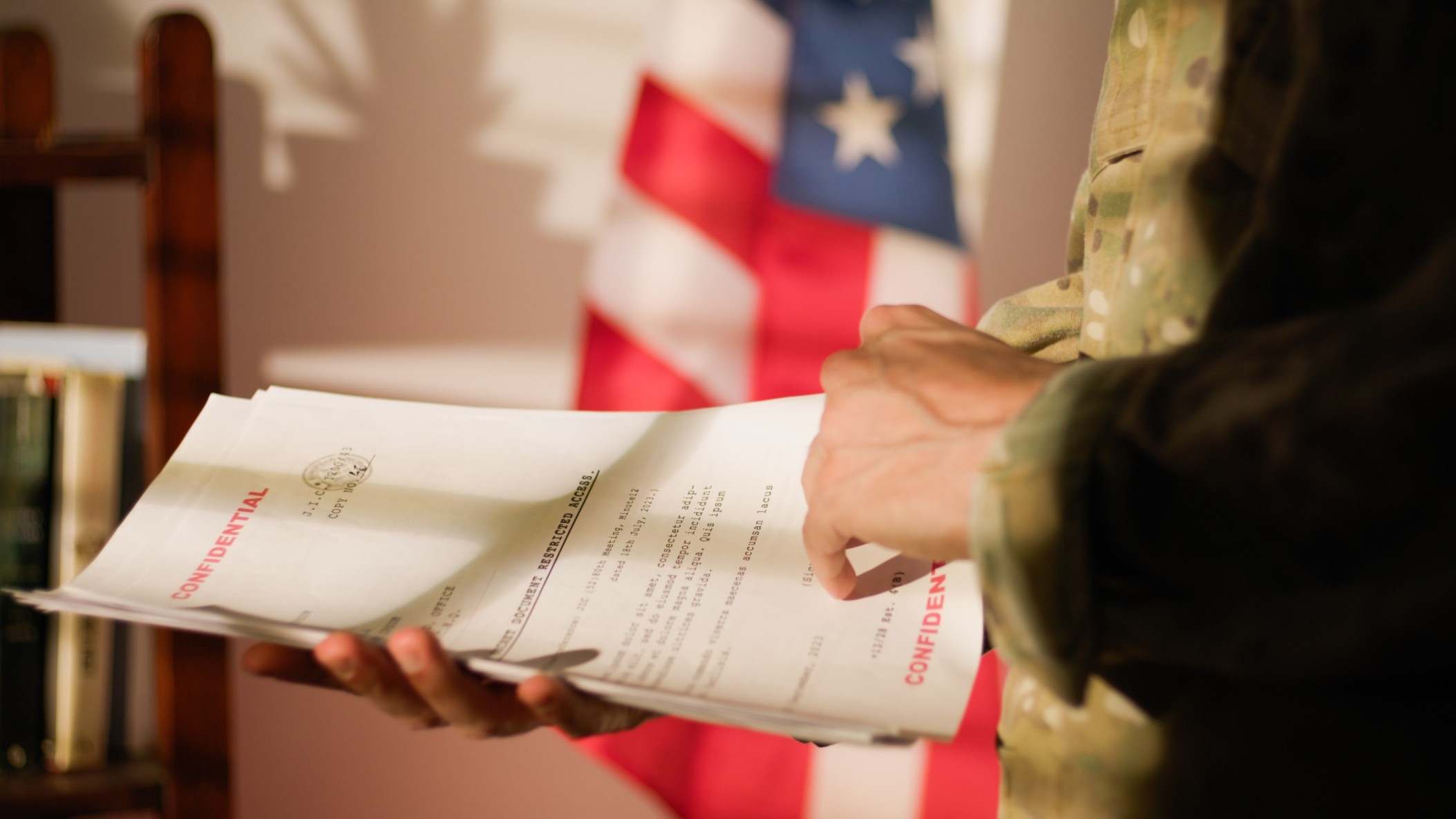
Your military record follows you long after your time in uniform ends. It affects your access to benefits, your ability to land certain jobs, your eligibility for education programs, and even how you feel about the years you gave to service. When something on that record does not accurately reflect what happened, it can feel like carrying a weight that never quite goes away. That is exactly why so many veterans are turning to skilled legal help to clean up records that no longer reflect the truth of their service.
The process of correcting a military record is complicated, but it is not impossible. With the right guidance, veterans have real, meaningful options for setting the record straight.
Why Correcting Your Military Records Matters
A military record is more than a piece of paperwork. It is a summary of your character, your conduct, and your service. Small inaccuracies can lead to major consequences down the road, from lost benefits to blocked career opportunities. According to the U.S. Department of Veterans Affairs, there are over 18 million veterans in the United States, and a significant number of them face challenges with their records at some point after separation.
For many veterans, correcting the record is not just about paperwork. It is about restoring dignity, unlocking benefits, and closing a chapter on their own terms.
Common Reasons Veterans Seek Record Corrections
Not every correction is dramatic. Many are quiet fixes that make a big difference in a veteran’s life after service. Common examples include:
- Removing incorrect or outdated performance notations
- Upgrading a discharge status to Honorable or General
- Correcting inaccurate mental health or medical information
- Adjusting rank, awards, or service dates that were misrecorded
- Removing wrongful disciplinary actions
- Updating separation reasons that no longer reflect the truth
Any of these can shift how the record is read by employers, benefit administrators, and future service opportunities.
How the Correction Process Actually Works
Correcting a military record generally involves petitioning the appropriate review board or correction board within your branch of service. Each service has its own board with its own procedures and standards. Petitions must be carefully documented, supported by strong evidence, and presented in a way that follows exact legal guidelines.
That is where an experienced legal advocate becomes so valuable. The process is not something most veterans should navigate alone. Missed deadlines, weak evidence, or unclear arguments can lead to a denied petition that becomes even harder to correct later.
What a Skilled Attorney Actually Brings to the Table
A military discharge attorney brings the specific legal skill, board experience, and strategic knowledge required to give veterans the strongest possible case for correction.
Military Justice Attorneys is one of the trusted names in this field, respected for taking the time to understand each veteran’s story, building carefully documented petitions, and standing beside their clients through every stage of the process. Their focus on personal, thorough representation is exactly what these cases require.
Working with a skilled attorney typically brings several important advantages:
- Deep familiarity with the review boards and their standards
- A clear strategy tailored to the specific correction being requested
- Careful gathering of supporting evidence, records, and witness statements
- Skilled preparation for hearings and formal presentations
- Persistence throughout what can be a long, technical process
- Strong communication with the veteran at every stage
The right advocate does not just file paperwork. They tell the veteran’s story in a way that gives it the weight it deserves.
The Real-Life Impact of a Successful Record Correction
Correcting a record can quietly transform a veteran’s life. Access to VA healthcare may open up. Educational benefits like the GI Bill may become available again. Employers who once passed on a candidate may take a second look. Long-standing feelings of frustration or unfairness may finally begin to lift.
The impact touches almost every part of civilian life, including:
- Housing loan eligibility
- Career advancement and background checks
- Access to disability compensation
- Reunion with military communities and organizations
- Peace of mind and closure
That kind of change is worth pursuing, especially when the current record no longer reflects the truth of a veteran’s service.
Why Timing Is Important
There are specific windows within which certain petitions must be filed. Missing these windows can make the process much harder, though it does not always make it impossible. Acting sooner rather than later gives veterans and their attorneys the strongest position to work from.
For any veteran considering a correction, the smartest first step is a straightforward consultation. That conversation can quickly clarify what is possible, what evidence is needed, and what the timeline may look like.
Conclusion
Your military record deserves to reflect the truth of your service. When it does not, correcting it can open doors, restore benefits, and bring a real sense of closure. With the guidance of a skilled attorney, veterans have a genuine path toward setting the record straight and moving forward with confidence. If something in your record has been weighing on you, a knowledgeable legal advocate can help you take that first, meaningful step toward correcting it.