
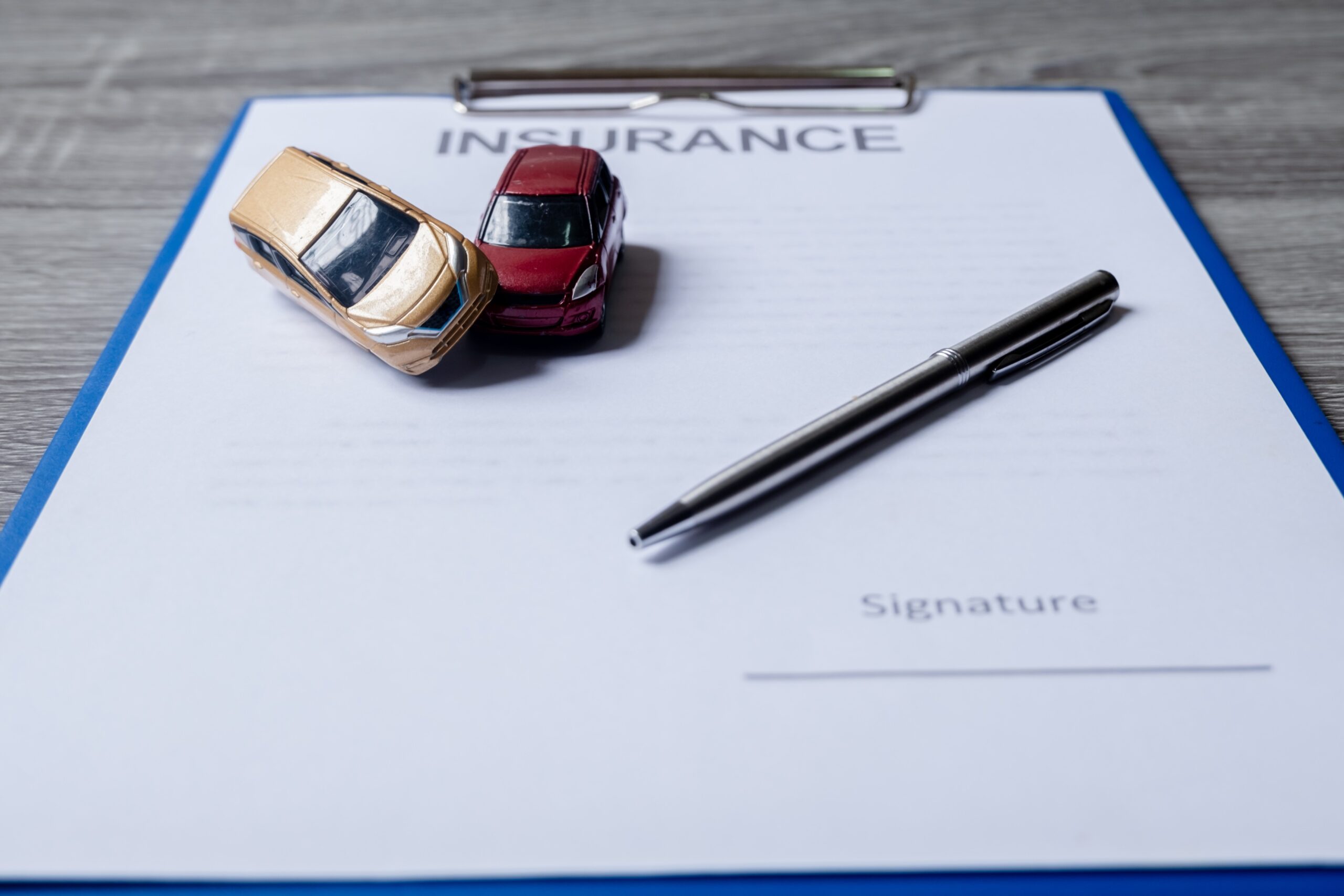
Many drivers think about auto insurance only when it’s time to renew a policy or pay a monthly premium. It can be tempting to view coverage as just another expense, especially for someone trying to reduce everyday costs. However, driving without insurance can create consequences that extend far beyond the money saved by skipping a payment.
A single traffic stop or accident may trigger financial obligations that continue long after the initial incident. Fines, higher insurance costs, and additional legal requirements can all become part of the situation. What may seem like a short-term decision can have lasting effects on both finances and driving privileges.
Understanding these potential consequences helps drivers make informed choices before getting behind the wheel. Knowing what can follow a no insurance ticket in Texas provides a valuable perspective on why maintaining proper insurance coverage is so important.
Immediate Financial Penalties
One of the first consequences of driving without insurance is the possibility of receiving a citation. Financial penalties often include fines, court costs, and other administrative expenses that can quickly add up after a traffic stop.
The exact amount of these penalties depends on the laws where the violation occurs and the specific circumstances involved. Factors such as prior violations or additional traffic offenses may also influence the overall financial impact.
Although the initial fine often receives the most attention, it is usually only one part of the total cost. Additional fees and legal obligations may continue well beyond the date of the citation.
Long Term Financial Effects
The financial impact of driving without insurance may continue even after fines have been paid. Drivers who later obtain insurance may face increased premiums because insurance companies often consider previous coverage history when determining rates.
Other long-term costs may also arise depending on the circumstances. Administrative fees, reinstatement costs, or expenses related to meeting legal requirements can continue affecting a driver’s finances long after the original violation.
These ongoing expenses often exceed the short-term savings that resulted from allowing coverage to lapse. Maintaining continuous insurance is frequently less expensive than dealing with the financial consequences of driving uninsured.
Additional Legal Consequences
Driving without insurance may involve more than financial penalties alone. Depending on the jurisdiction and the circumstances, drivers could face issues involving vehicle registration, license status, or additional compliance requirements before returning to the road.
Repeat violations often carry more significant consequences than a first offense. Legislatures frequently impose stricter penalties for drivers who repeatedly fail to maintain the insurance required by law, making future violations increasingly costly.
Because these requirements vary by state, drivers should become familiar with the laws that apply where they live. Understanding those rules helps reduce the likelihood of unexpected legal complications.
Why Insurance Plays an Important Role
Auto insurance provides financial protection when accidents happen. Depending on the policy and applicable law, coverage may help address property damage, medical expenses, or other losses resulting from a collision.
Without insurance, drivers may become personally responsible for costs that would otherwise be handled through an insurance policy. Those expenses can quickly become substantial, particularly when serious injuries or significant property damage are involved.
Maintaining appropriate coverage helps reduce financial uncertainty. Insurance serves as an important safeguard that protects not only the policyholder but also others who may be affected by a motor vehicle accident.
Conclusion
Driving without auto insurance can create consequences that reach far beyond receiving a citation. Immediate fines, increased insurance costs, administrative requirements, and potential legal complications may all become part of the overall financial picture.
Maintaining insurance coverage helps protect drivers from many of these risks while providing valuable financial support if an accident occurs. Although insurance represents an ongoing expense, it often prevents much larger costs from developing later.
Understanding the full impact of driving uninsured encourages better decision-making before problems arise. Keeping insurance coverage current remains one of the simplest and most effective ways to protect both your finances and your future on the road.