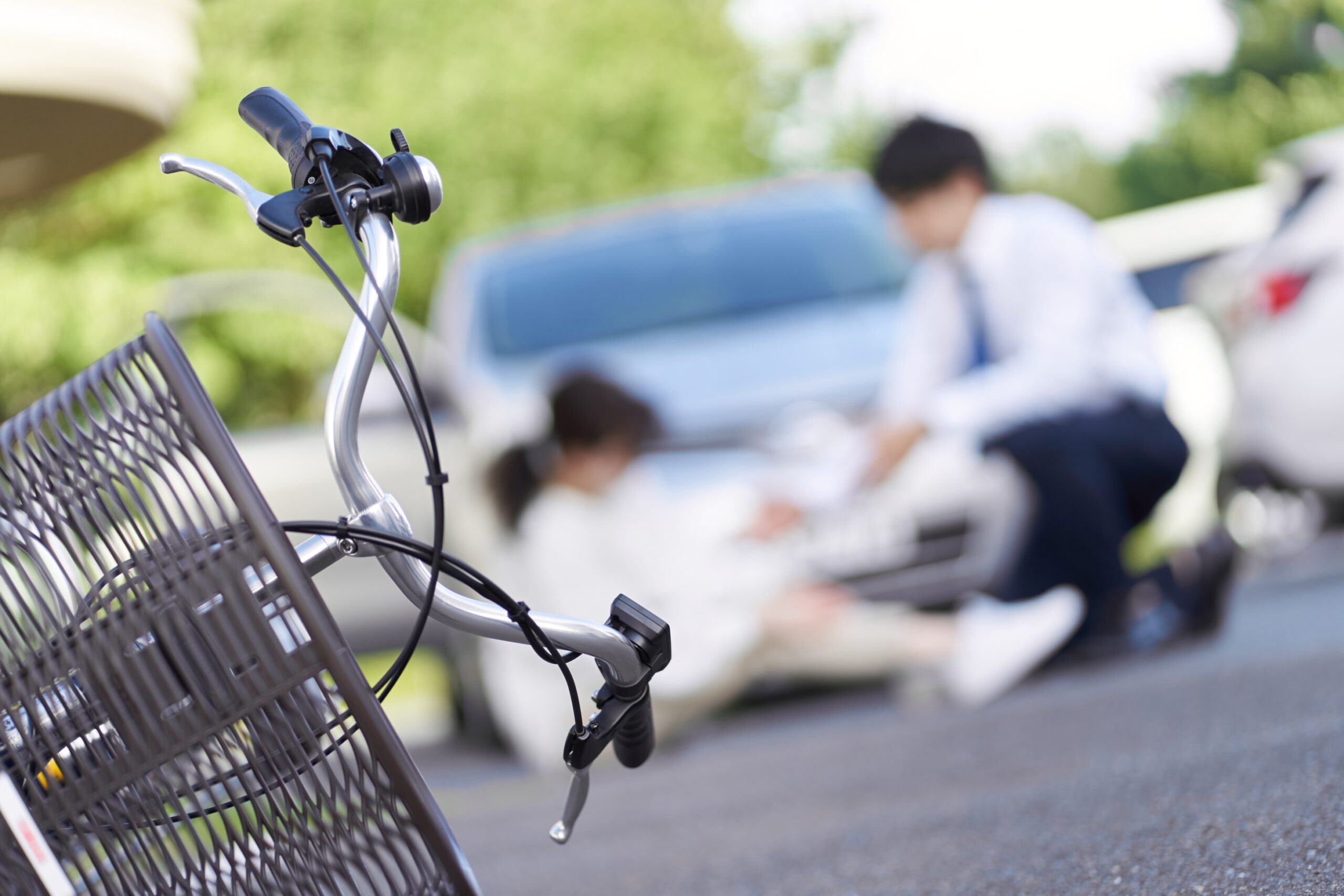
The law protects cyclists after a traffic collision by giving them the same road rights as drivers, allowing them to file personal injury claims, and holding negligent drivers legally accountable. Most states have traffic statutes that specifically recognize cyclists as lawful road users. When a driver causes a crash, the injured cyclist has a clear legal path to seek compensation.
Many people do not fully understand these protections until they are personally affected by a bicycle accident. Knowing what the law covers helps cyclists make informed decisions about reporting the crash, getting medical care, and pursuing a claim. Legal protection for cyclists is broader than most people expect.
Traffic Laws That Protect Cyclists
Most state traffic codes give cyclists the legal right to use public roads and require drivers to share that space safely. These laws form the foundation of cyclist protection after a collision.
Drivers are required to maintain a safe following distance and yield to cyclists just as they would to other vehicles. Many states have enacted three-foot passing laws, which require drivers to give cyclists at least three feet of clearance when passing. Violating these rules can be used as direct evidence of negligence in a personal injury claim.
How Personal Injury Law Works for Cyclists
When a driver’s negligence causes a crash, the injured cyclist can file a personal injury claim to recover compensation. Negligence means the driver failed to act with reasonable care, and that failure directly caused the injury.
What Counts as Driver Negligence
Common acts of driver negligence in bicycle collision cases include:
- Failing to yield at intersections or crossings
- Distracted driving, including phone use
- Opening a car door into an active bike lane
- Speeding in areas with marked cycling paths
- Making turns without checking for cyclists
Establishing negligence is the first step toward a successful claim.
What Compensation the Law Allows
Injured cyclists can recover both economic and non-economic damages. Economic damages cover medical bills, lost wages, and property repair. Non-economic damages address pain, suffering, and loss of quality of life caused by the injury.
Legal Protections Through Uninsured Motorist Coverage
Not every driver involved in a crash carries adequate insurance. Uninsured motorist coverage protects cyclists when the at-fault driver has no insurance or flees the scene.
In many states, this coverage extends to cyclists injured by motor vehicles, not just people inside cars. Reviewing your auto or renters insurance policy can reveal protections you may not know you have. This coverage can be a critical financial safety net after a serious collision.
How Comparative Fault Rules Affect a Cyclist’s Claim
Some states apply comparative fault rules, which means a cyclist’s compensation can be reduced if they are found partly responsible for the crash. For example, riding without lights at night or ignoring a traffic signal could assign partial fault to the cyclist.
Pure vs. Modified Comparative Fault
States follow either pure or modified comparative fault systems. Under pure comparative fault, a cyclist can still recover damages even if they were mostly at fault. Under modified comparative fault, recovery is barred once the cyclist’s share of fault crosses a set threshold, often 50% or 51%.
Understanding which system your state follows directly affects how much compensation you can pursue.
Government Liability When Road Conditions Cause a Crash
Cyclists injured due to dangerous road conditions may have a legal claim against a city or municipality. Potholes, broken bike lanes, missing signage, and poor road design can all support a negligence claim against a government entity.
These claims have strict filing deadlines called notice of claim requirements, which are often much shorter than standard personal injury statutes of limitations. Missing that window can bar your claim entirely. Acting quickly after a road-condition crash is essential.
Key Takeaways
- Traffic laws in most states give cyclists the same legal rights as motor vehicle drivers on public roads.
- Drivers who violate passing distance laws or fail to yield can be held legally negligent.
- Injured cyclists can recover economic and non-economic damages through a personal injury claim.
- Uninsured motorist coverage may protect cyclists when the at-fault driver has no insurance.
- Comparative fault rules can reduce compensation if the cyclist shares responsibility for the crash.
- Government entities can be held liable when unsafe road conditions contribute to a bicycle collision.
- Notice of claim deadlines for municipal cases are often shorter than standard filing windows.