
Interfering With a Traffic Officer in Kansas City: What Drivers Should Know
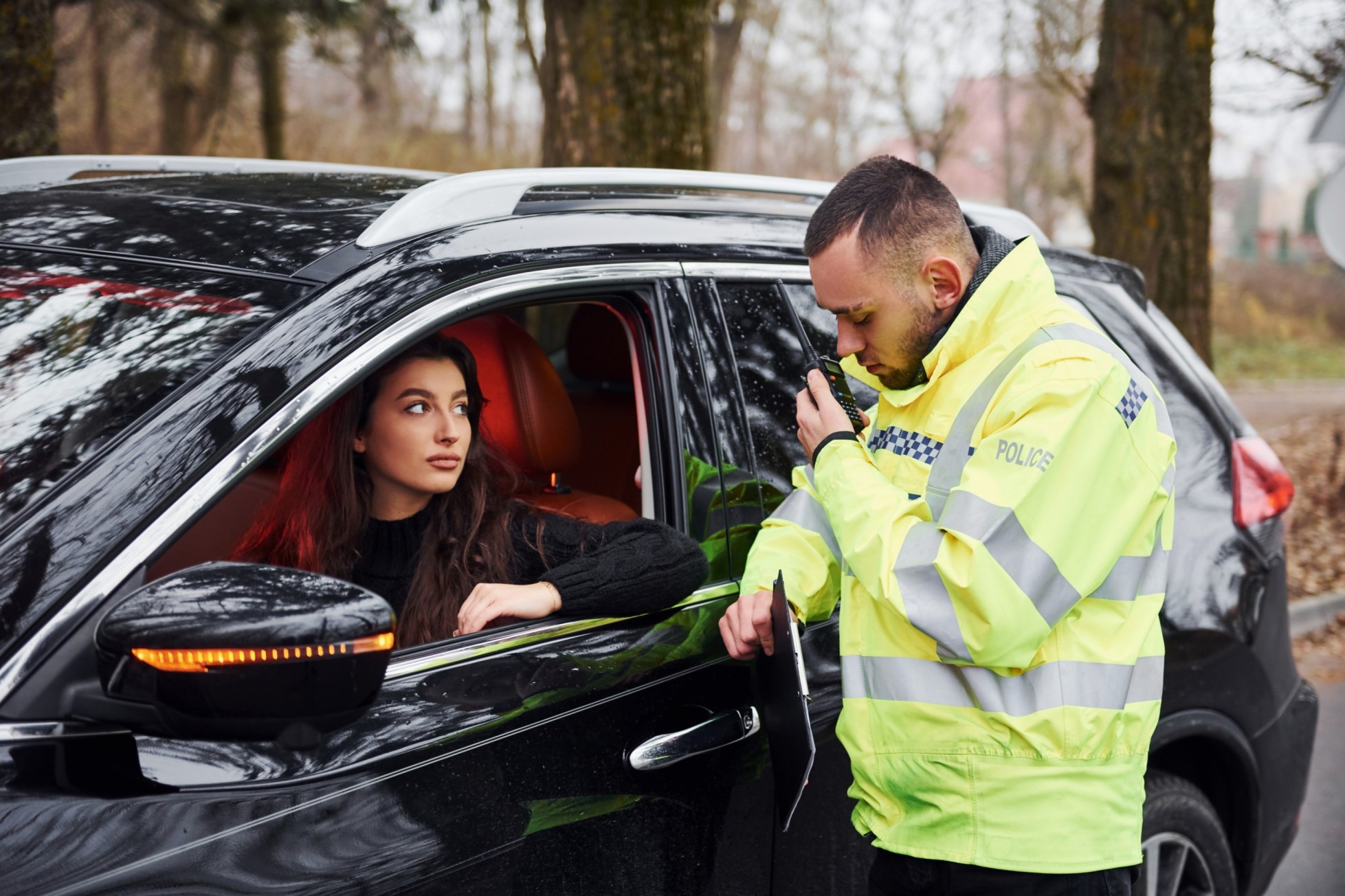
Got pulled over and things got heated? Look, we’ve all been frustrated during traffic stops. But there’s a line between expressing frustration and actually interfering with a traffic officer. Cross that line and you’re facing way more than just your original ticket.
Most drivers don’t realize what counts as interference until they’re holding a citation for it. You thought you were just asking questions. The officer saw it differently. Now you’ve got multiple charges instead of one simple violation.
Here’s what Kansas City drivers need to understand.
What Actually Counts as Interference
Missouri law defines interference with a law enforcement officer pretty broadly. It’s not just physical resistance—though that definitely qualifies. Interference is something that makes it harder for an officer to do their job.
Not giving the needed information is at the top of the list. Officer asks for license and registration? You must provide them. Refusing creates interference. Doesn’t matter if you think the stop was unfair. Hand over the documents.
Physical resistance obviously counts. Pulling away when being handcuffed. Refusing to exit vehicle when ordered. Running from the scene. These escalate simple stops into criminal charges fast.
Verbal obstruction creates problems. Screaming continuously. Threatening the officer. Using fighting words. Interfering with their ability to communicate or control situations. Yeah, that counts.
Distracting tactics get people cited regularly. Creating scenes to draw crowds. Encouraging bystanders to interfere. Recording in ways that physically obstruct. Making their job harder qualifies.
False information is interference. Giving fake names. Providing wrong addresses. Lying about vehicle ownership. Officers catch these lies fast. The charge stacks on top.
Why These Charges Matter More Than You Think
Interfering with a law enforcement officer isn’t just another traffic ticket. It’s a criminal offense. Class A misdemeanor carrying up to one year in jail and fines up to $2,000.
Your criminal record gets permanently affected. This isn’t like a speeding ticket. Criminal convictions show up on background checks. Employment applications. Housing applications. The consequences follow you for years.
Future interactions with law enforcement get complicated. Officers run your name during stops. Previous interference charges pop up. They approach situations differently. More caution. Less willingness to cut breaks.
The original violation becomes secondary. You might’ve been pulled over for a broken taillight. Now you’re dealing with criminal charges. The $50 violation becomes a $2,000 case.
Common Scenarios That Lead to Charges
Understanding how interference charges happen helps you avoid them.
Arguing about the stop escalates quickly. You disagree with the officer’s reason for pulling you over. You start arguing. Raising your voice. Officer sees this as obstruction. Citation gets written.
Recording encounters improperly causes issues. You’re allowed to record police in public. But shoving your phone in the officer’s face? Refusing to back up when asked? That crosses into interference.
Passenger involvement creates problems. Your passenger starts arguing with the officer. Yelling out the window. Getting out without permission. You can be held responsible.
Refusal to sign citations triggers additional charges. Signing isn’t admitting guilt—it’s acknowledging receipt. Refusing can be treated as interference. Sign it, fight it later.
Delayed compliance frustrates officers. They ask you to step out. You sit arguing about why. They ask for documents. You lecture them first. These delays constitute interference.
Your Rights Versus Interference
You have rights during traffic stops. Understanding those rights prevents interference charges.
You can remain silent beyond providing required identification. You don’t have to answer questions about where you’re going. Politely declining isn’t interference. But you must provide license, registration, and insurance.
You can refuse consent to searches. Officers need probable cause or consent. Saying “I don’t consent to searches” calmly isn’t interference.
You can record the encounter. Missouri law allows recording police in public. But keep distance when asked. Don’t physically obstruct.
You can ask if you’re free to leave. After officers complete their investigation, ask this question. Asking politely isn’t interference.
You can request a supervisor. If you believe you’re being treated unfairly, asking for a supervisor isn’t interference. Make the request calmly.
Defending Against Interference Charges
Got cited for interference? You’re not automatically guilty.
A qualified Kansas City traffic ticket lawyer examines exactly what happened. What did you actually do? Were your actions truly interference or legitimate exercise of rights?
Challenge the officer’s interpretation. Maybe you weren’t refusing compliance—you were confused. Maybe you weren’t creating a disturbance—you were asking questions.
Question whether interference actually occurred. Did your actions truly obstruct the officer? Or were you exercising protected rights?
Speeding Ticket KC handles interference charges regularly. We understand these cases often involve misunderstandings that escalated. Our approach examines what happened and how to minimize consequences.
Mitigation helps when defenses aren’t strong. First-time offense? Clean record? These factors convince prosecutors to reduce charges.
Questions that come up often
Q: Can I get in trouble for asking questions?
A: No. It’s not rude to ask polite inquiries. If your questions stop the police from completing their job, if you keep asking and don’t listen, or if you put off following the rules, it can be interference.
Q: What if I think the cop is breaking the law?
A: Calmly say why you disagree. Say “I don’t consent to that search.” But if the officer proceeds anyway, comply and challenge it in court later. Physical resistance turns into interference charges.
Q: Does recording police automatically count as interference?
A: No. You have a right to record police in public. But you must maintain reasonable distance when asked. You can’t physically obstruct their work. Recording legally is fine—interfering while recording isn’t.
Q: Can my passenger’s actions get me charged?
A: Possibly. If your passenger interferes and you encourage them or fail to control the situation, you might face charges too. Tell passengers to remain calm.
Q: What’s the difference between interference and resisting arrest?
A: Resisting arrest involves physical force against an officer attempting arrest. Interference is broader—any obstruction of an officer’s duties. You can be charged with interference during a simple traffic stop.