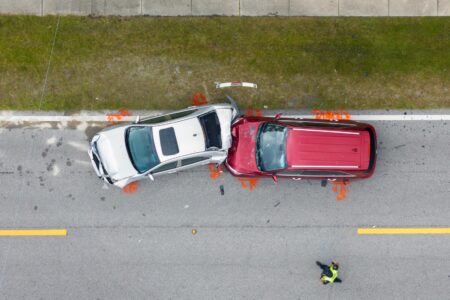
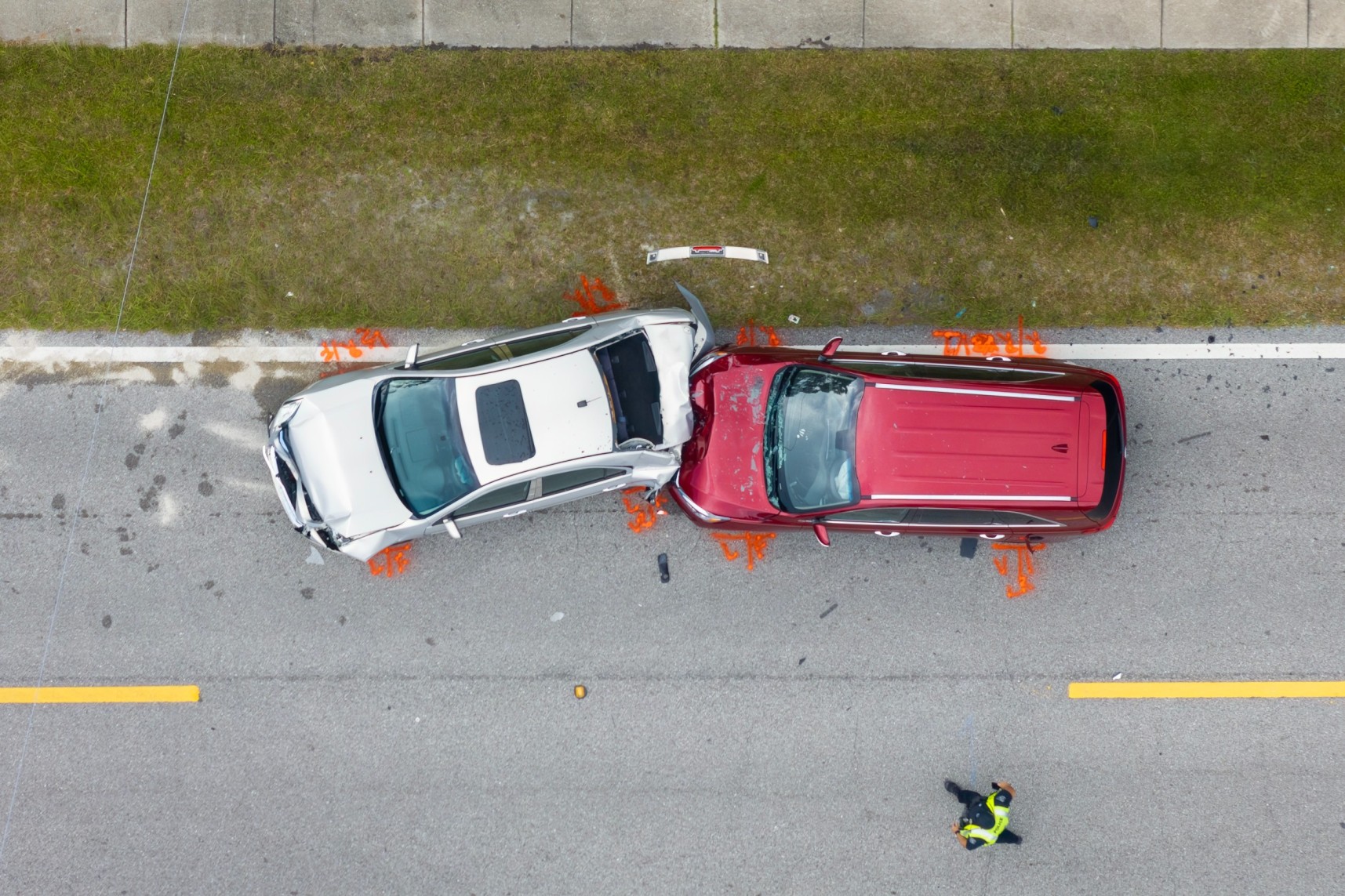
The seconds right after a car accident feel different from regular time. Everything slows down and speeds up at once. You’re checking yourself, checking the other car, trying to process what just happened while your hands are still shaking. And somewhere in that fog, a decision gets made — or avoided — that can shape everything legally that follows.
Most drivers don’t know Missouri’s accident reporting requirements in any detail. They know roughly that they’re supposed to stop. Beyond that, it gets murky. And that murkiness is exactly where legal problems start.
Stopping Is Just the Beginning
Here’s something that genuinely surprises people: stopping at an accident scene is not the full legal obligation. It’s the starting point. Missouri law requires significantly more than just pulling over and exchanging a look with the other driver.
What you’re actually required to do depends on what happened. The severity of the crash — whether there were injuries, how much damage occurred, whether anyone died — determines which specific duties apply and how strictly the law enforces them. Most drivers have a vague sense that serious accidents require police. Few understand that property damage alone triggers reporting requirements, and that the threshold is lower than they’d guess.
Understanding the full picture before an accident happens is obviously ideal. Understanding it immediately after is the next best thing.
What Missouri Law Actually Requires After a Crash
RSMo § 577.060 covers the obligations of drivers involved in accidents. Let’s go through what it actually says, because the specifics matter.
If an accident results in injury or death, the duties are extensive. Every driver involved must stop immediately at or near the scene. They must render reasonable assistance to anyone injured — calling for medical help if it’s needed, helping someone get to care if it’s safe to do so. They must provide their name, address, vehicle registration number, and insurance information to the injured party, to other drivers involved, and to responding law enforcement officers.
Property damage accidents carry their own requirements. When visible damage appears to exceed $500 — which covers almost any modern vehicle collision, since even minor bumper damage routinely runs well past that threshold — Missouri requires the involved drivers to file a written report with the Missouri Department of Revenue within 30 days. This is a separate obligation from calling the police at the scene. Many drivers handle the scene correctly and still fail to file the follow-up report, which creates a violation they didn’t realize existed.
Accidents involving unattended vehicles add another layer. Hitting a parked car — clipping a mirror in a tight parking lot, backing into someone’s bumper in a crowded strip mall — requires the driver to leave written contact information on the vehicle and report the incident to local law enforcement. “Nobody saw it” is not a legal exemption. The duty exists regardless of witnesses or cameras.
The Situations Kansas City Drivers Actually Face
Parking lot incidents are far more common than highway crashes for most urban drivers, and they generate a specific pattern of mistakes. Someone clips a parked car near the Country Club Plaza or a shopping center off Barry Road. They look around, see no one watching, and drive away. What they don’t account for is the security camera on the building, the customer who watched from inside a store window, or the Ring doorbell across the street that captured the plate.
Kansas City’s residential neighborhoods have become increasingly covered by home security cameras over the past several years. Incidents that would have gone unwitnessed a decade ago now get documented routinely. Officers investigating hit-and-run reports pull that footage regularly, and they find what they’re looking for more often than drivers expect.
Highway and arterial road accidents create their own complications. When someone leaves a scene on I-70 or I-435 — particularly when injuries were involved — law enforcement pursues these cases actively. Traffic cameras, witness accounts, and dashcam footage from nearby vehicles all feed into investigations that move faster than departing drivers anticipate.
And then there’s the private agreement situation — two calm drivers who exchange phone numbers at the scene, agree to sort it out directly, and decide not to involve police or insurance. That arrangement feels clean at the moment. It frequently isn’t, especially if injuries surface later or if the damage calculation triggers Missouri’s reporting threshold. A handshake deal doesn’t satisfy the legal reporting duty.
What Failing to Report Actually Costs
The penalties scale with what happened, and the range is significant.
Leaving the scene of a property damage accident — damage over $500, no injuries — is a Class B misdemeanor in Missouri. Up to six months in jail and fines. Leaving the scene of an injury accident is a Class A misdemeanor: up to a year in jail, larger fines, and a criminal record. If someone died, leaving the scene is a felony — Class D — with potential prison time.
These aren’t traffic violations. They’re criminal charges, and they follow a person beyond their driving record. Background checks, rental applications, professional licensing reviews — a misdemeanor or felony conviction shows up in all of them.
Points accumulate on the license alongside the criminal charge. Serious hit-and-run convictions can result in license revocation rather than suspension, which requires a formal reinstatement process — hearings, fees, and SR-22 insurance filing — before driving privileges return.
Civil liability runs its own parallel track. When an injured party’s attorney gets involved, the failure to remain at the scene becomes evidence. Courts treat it as a signal of consciousness of guilt — the legal argument that leaving demonstrates awareness of fault. That argument influences settlement negotiations and jury decisions in ways that can make the costs significantly higher than the original criminal fine.
A Missouri traffic ticket lawyer at Speeding Ticket KC handles cases where traffic violations cross into criminal territory. The firm knows how Kansas City prosecutors approach failure-to-report situations, what documentation helps, and how to navigate the intersection of traffic court and criminal court that these cases often create. Getting legal advice early — before making any statements or decisions — is consistently what produces the best available outcomes.
The Private Agreement Problem, Revisited
It deserves more attention because it’s so common and so misunderstood.
Two drivers. Minor accident. Both seem fine. Nobody wants the insurance hassle, so they agree to handle it privately — exchange numbers, assess the damage later, skip the police report. It sounds reasonable. It solves the immediate awkward situation. And it can still result in legal problems that neither driver anticipated.
Soft tissue injuries — whiplash, back strain, the kinds of injuries that don’t register immediately — often show up hours or days after an accident. When they do, the other driver has no official record of the incident. Your version of events isn’t documented. The scene is gone. And depending on the damage amount, the private agreement may have already created a reporting violation that neither party realized they were committing.
Without a police report, there’s also no protection if the other driver’s account changes later. Memory shifts. Situations change. What felt like a mutual agreement at the scene can become a contested dispute days later, with your word against theirs and no documentation establishing what the scene actually looked like.
Questions Kansas City Drivers Ask About Accident Reporting
- What if I didn’t think the damage was serious enough to report?
Missouri’s $500 threshold catches drivers off guard regularly — that amount doesn’t represent serious damage by modern repair standards. A minor dent, a cracked lens cover, or a scuffed bumper can easily exceed it. The standard isn’t whether you believed reporting was necessary; it’s whether the damage objectively crossed the threshold. Honest misunderstanding of the requirement is different from deliberate avoidance, and courts treat them differently — but neither eliminates the reporting obligation entirely.
- Can I file a report after leaving the scene?
Yes, and doing so promptly is strongly advisable if you’ve already left and realized the problem. Voluntary reporting after the fact demonstrates good faith and gives an attorney something to work with in negotiations. The longer the delay, the harder it becomes to argue that the failure was inadvertent. If you’ve already left a scene, contact Speeding Ticket KC before making any statements to police or the other party — the sequence of what happens next matters.
- What if the other driver said we didn’t need to report it?
The other driver’s opinion doesn’t change your legal obligations. Both drivers have independent duties under Missouri law, and those duties exist regardless of what the other party agreed to at the scene. If the accident met reporting criteria — injury, death, or damage over $500 — the obligation applied to you whether or not the other driver wanted to keep it private. What they told you can be relevant as mitigation context, but it doesn’t constitute a legal defense.
- How does an insurance company find out if neither driver reported?
Several ways. The other party may report independently — particularly if injuries surface later and they want coverage. Law enforcement may investigate based on witness accounts or camera footage. The other party’s attorney may notify your carrier when pursuing a claim. Assuming the incident stayed private is rarely a safe assumption in a city as camera-covered as Kansas City has become. What seemed contained at the scene often isn’t.
- Does Speeding Ticket KC handle cases that involve both traffic violations and criminal charges?
Yes — and the overlap between traffic court and criminal court is exactly where the firm’s experience with Kansas City’s court system matters most. These cases require navigating two separate tracks simultaneously, understanding how they interact, and making strategic decisions that account for consequences in both. Speeding Ticket KC reviews the specific circumstances, assesses realistic outcomes across both tracks, and advises clients on how to respond before any decisions become irreversible. Early contact consistently produces more options than waiting.
Final Words
Accidents are disorienting. The decisions made in the minutes immediately after — about stopping, reporting, staying — carry legal weight that outlasts the stress of the moment by months or years. Knowing the obligations ahead of time is the best position to be in. Knowing your options after it’s already happened is what matters.