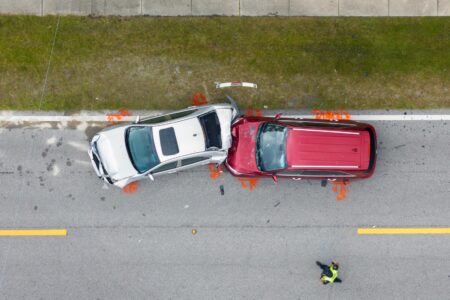

Backing up is something drivers do without much thought. You shift into reverse, check the camera or mirrors, and go. Thirty seconds later, you’re on your way. But backing accidents are one of the most common collision types in Kansas City — and they generate citations, insurance claims, and sometimes legal disputes that drag on well past the incident itself.
The part that surprises most people isn’t the accident. It’s finding out how clearly Missouri law assigns responsibility when one happens.
What Missouri Law Says About Backing
RSMo Section 304.019 gives forth a clear norm under Missouri law. Drivers may not back up unless it is safe to do so. You must not back into a crosswalk or junction. You may not reverse onto a highway or expressway. And you can’t reverse in a way that conflicts with other traffic – automobiles, bikers, or pedestrians.
There is a simple common denominator to all this. It’s your responsibility to know what’s behind and surrounding your vehicle before you back up. Don’t know about roughly—know. Backup cameras are great, but you can’t see it all. Parking sensors will pass over low items and tiny children. The technology isn’t responsible for checking clearance before reversing; the driver is.
That’s a higher standard than most people think about sitting in a parking lot on autopilot.
Where Backing Accidents Happen Most Often
Parking lots generate the majority of backing incidents in Kansas City. Grocery store lots, shopping centers along Metcalf and Barry Road, hospital parking structures — anywhere vehicles are moving in multiple directions at low speeds creates the conditions where backing accidents happen. A driver focused on the gap to their left sometimes misses a pedestrian walking behind them from the right. Another driver moves forward into the lane at the same moment someone else is reversing out.
Residential driveways are next. Backing out of a home driveway onto a neighborhood street seems simple — until a cyclist comes through faster than expected, or a child runs into the street from between parked cars. The sight lines from inside a vehicle backing out of a typical driveway are worse than most drivers realize until something goes wrong.
Parallel parking situations on Kansas City streets create their own category. Pulling out of a parallel spot on a busy street like Main Street or Troost requires checking mirrors, timing traffic from both directions, and often reversing slightly before pulling forward. That sequence involves more exposure time and more variables than a standard parking lot exit.
Who’s at Fault — And Why It Usually Falls on the Backing Driver
Here’s the reality that catches people off guard. In most backing accidents, fault defaults to the reversing driver. The legal reasoning is simple — you initiated the movement, you had the obligation to verify the path was clear, and the other party generally had no reason to anticipate a vehicle reversing into their path.
That presumption of fault isn’t absolute. If the other driver was moving through a parking lot at an unsafe speed or failed to yield to a vehicle already in motion, those factors can shift or share the liability. Missouri applies comparative fault principles in accident cases, meaning multiple parties can carry responsibility. But the backing driver typically starts the analysis at a disadvantage.
Insurance companies know this. Adjusters apply it immediately when evaluating claims. And courts follow the same logic when citations are involved.
A Missouri traffic ticket lawyer can help you understand how fault gets analyzed in your specific situation — before you say something to an insurance adjuster that makes it worse.
What Happens Legally After a Backing Accident
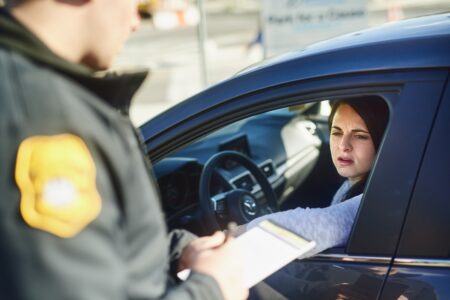
A citation for improper backing is a moving violation in Missouri. Two points on your license. Fines in the $100 to $150 range before court costs. That’s the base case with no significant damage and no injuries.
Property damage changes things. If you backed into another vehicle or a structure and left without reporting it, Missouri’s hit-and-run provisions apply regardless of how minor the damage seemed. Staying and reporting limits that exposure considerably.
Injuries open up civil liability alongside the traffic citation. Medical costs, lost wages, pain and suffering claims — all of that flows from the incident. And the citation itself becomes a piece of evidence in the civil case, which is another reason fighting it or at minimum negotiating a reduction carries real financial value beyond just the points.
How Speeding Ticket KC Handles These Cases
Speeding Ticket KC is a recognized law firm in Kansas City, Missouri. They handle traffic violations and related defense matters — including improper backing citations and the accident claims that sometimes follow.
Their attorneys review each case on its own facts. What exactly was cited? What did the officer document? Is there footage from a parking lot camera, a dashcam, or a nearby business? What witness accounts exist? What realistic outcomes are available — reduction, dismissal, a negotiated result that limits damage to your record? Each case gets its own read. No assumptions.
Questions People Actually Ask
Is the backing driver always at fault in a backing accident?
Not always — but usually. The driver reversing carries the legal obligation to verify the path is clear before moving. That presumption of fault can be challenged when the other party was speeding through a parking lot, moving against posted traffic flow, or otherwise acting unlawfully. Missouri’s comparative fault framework allows responsibility to be shared. But the backing driver typically starts the analysis in a weaker position, and shifting that requires evidence rather than just a competing account.
What if my backup camera didn’t show the obstruction?
Technology doesn’t transfer the legal obligation to the manufacturer. The duty to verify clearance before reversing belongs to the driver. A backup camera that missed something doesn’t eliminate your responsibility — it just explains how the accident happened. That explanation can be a relevant factor in how the case gets evaluated, particularly if the obstruction was genuinely outside the camera’s field of view and not detectable by reasonable means. A lawyer can assess whether that argument has traction in your specific situation.
Do I have to report a minor backing accident in Missouri?
If property damage occurred — even minor damage to another vehicle — Missouri law generally requires you to stop and make a reasonable effort to notify the other party or report the incident. Leaving without doing so creates a separate legal problem layered on top of the original accident. If the damage was truly de minimis and the other vehicle was unoccupied, the practical and legal analysis gets more nuanced. When in doubt, document the scene and report it. That protects you far better than hoping nothing surfaces later.
Can I fight an improper backing citation?
Yes, and parking lot and street camera footage sometimes tells a different story than what the officer documented. Witness accounts, physical evidence from the scene, and the specific geometry of where the backing occurred — all of these can challenge the citation’s account. Even when full dismissal isn’t realistic, negotiating the charge down to a non-moving violation removes the points entirely, which changes both the license and insurance implications considerably.
How does a backing accident affect my insurance?
An at-fault backing accident gives your insurer grounds to raise your rates at renewal. Combined with a moving violation citation, the impact compounds. Rate increases that persist across two or three policy terms frequently cost more than the fine and deductible combined. That’s the financial math worth running before you decide whether fighting the citation makes sense — and for most people carrying any prior violations, it clearly does.