
Kansas City CDL Endorsement Tickets and Defense Strategies
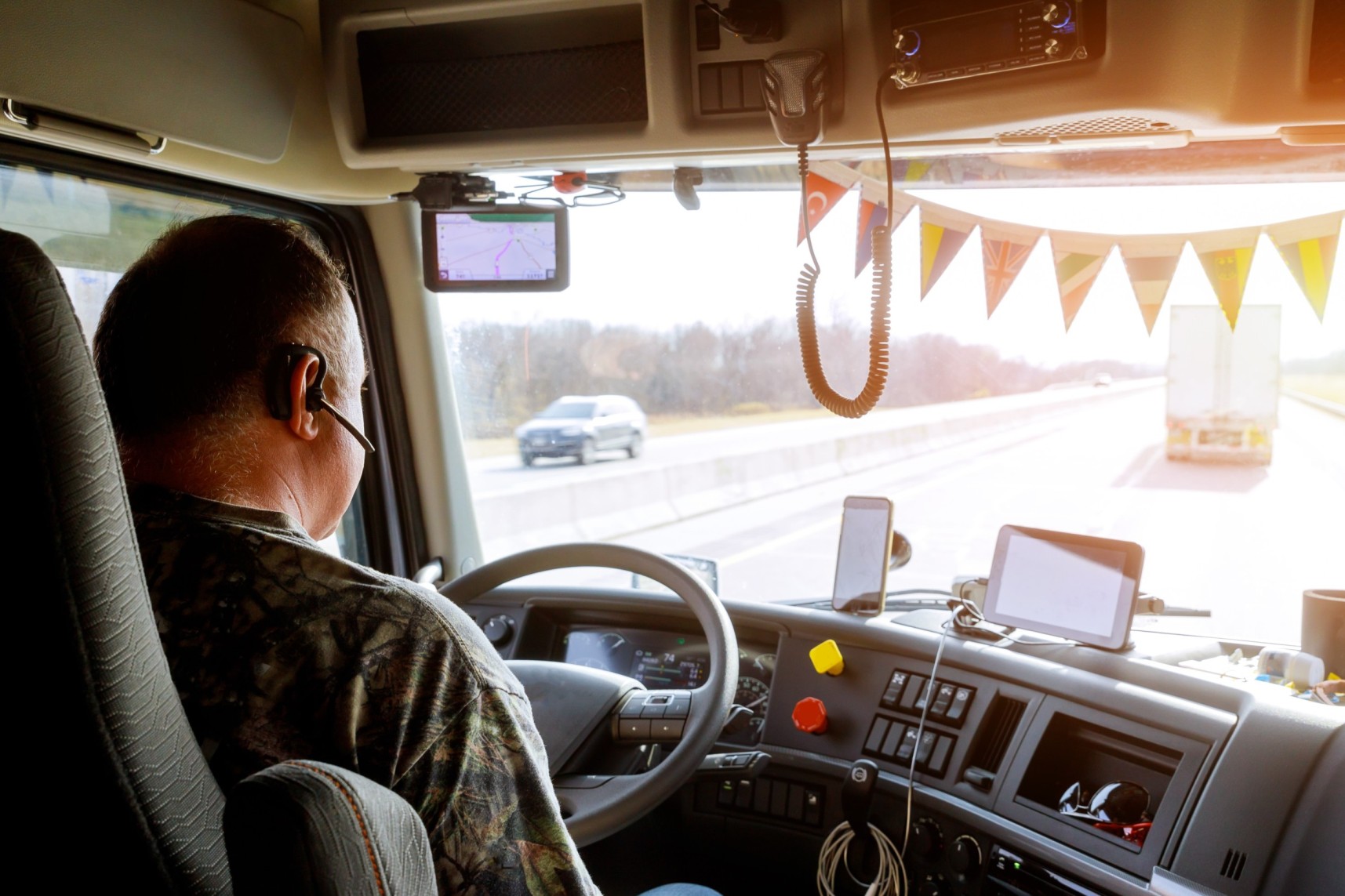
Most commercial drivers know their CDL cold. They’ve logged the hours, passed the tests, built the experience mile by mile. But endorsements — those specific additions that authorize particular types of hauling or vehicle configurations — have a way of slipping through the cracks in ways that feel purely administrative until they suddenly aren’t. You’re running a route you’ve done a hundred times, an inspector pulls you over, and someone notices the endorsement doesn’t match what you’re operating.
That moment changes your day fast. And potentially a lot more than just your day.
CDL endorsement violations in Kansas City carry consequences that reach well beyond a standard traffic fine. Your professional license, your employment, your federal driving record — all of it gets touched when an endorsement citation lands in your hand. Understanding what you’re actually facing, and what strategies exist, is where everything starts.
What CDL Endorsements Are and Why They Matter
Let me explain this clearly, because the confusion around endorsements is exactly what gets drivers into trouble.
A CDL authorizes you to operate commercial vehicles. Endorsements are additional authorizations layered on top — each one specific to a vehicle type or cargo. The H endorsement covers hazardous materials. The T endorsement covers doubles and triples. The N endorsement covers tank vehicles. The P endorsement covers passengers. The S endorsement covers school buses. Each requires separate testing, separate authorization, and in some cases — like hazmat — a federal background check that runs on its own timeline entirely separate from your CDL renewal.
Here’s the thing most drivers don’t fully register: a valid CDL without the required endorsement doesn’t make you legal to operate that vehicle or haul that cargo. It makes you operating outside your license restrictions. That’s a violation under both Missouri law and FMCSA regulations — and the two frameworks hit simultaneously.
How These Situations Actually Happen
Endorsement violations rarely come from deliberate choices. They come from gaps in the administrative process that nobody caught in time.
An employer assigns a load without verifying endorsement status. A driver assumes their CDL covers a configuration based on experience with a previous carrier. An endorsement expires during a renewal cycle and the gap goes unnoticed. The hazmat TSA background check falls behind schedule and the endorsement lapses before renewal completes. These situations happen constantly — not because drivers are careless, but because the administrative side of commercial driving has a lot of moving parts and something occasionally slips.
None of that eliminates the violation. But context shapes everything about how a case gets handled, and experienced attorneys know how to use it.
What the Violation Actually Costs You
This is the part that deserves the most attention — because the fine on the citation is almost never the most expensive part of what happens next.
Operating a commercial vehicle in violation of a license restriction is classified as a serious traffic violation under FMCSA regulations. Fines can be substantial. But the CDL record consequence is what keeps experienced drivers awake. Two serious violations within three years trigger a 60-day CDL disqualification. Three within three years means 120 days off the road. During those windows, you cannot legally operate a commercial vehicle — period.
For someone whose entire income depends on their CDL, a 60-day disqualification isn’t an inconvenience. It’s two months without a paycheck, with bills still due and no legal way to do the work that pays them. The math hits hard and fast.
Employers find out through regular MVR checks. Insurance carriers monitor records and respond. Some companies have clean-record requirements built into client contracts, and an endorsement violation can trigger consequences at that level before the legal process even concludes. The professional fallout sometimes moves faster than the legal one.
Defense Strategies That Actually Work
People assume an endorsement citation is airtight — that there’s nothing to examine or push back on. That assumption costs drivers more than it should.
Was the citation written correctly? Does it accurately describe the vehicle configuration being operated? Was the inspection conducted properly and within legal parameters? Was the employer potentially liable for assigning the load without verifying credentials, because FMCSA regulations place responsibility on carriers, too, not just drivers? Was there an administrative delay in the renewal process that created a gap through no fault of the driver?
These are real questions with real legal weight. And in some situations, obtaining the missing endorsement promptly after the violation and documenting that process actively demonstrates good-faith compliance, which influences how cases move through the system in ways that matter.
A Kansas City traffic ticket lawyer who handles CDL violations understands both the Missouri enforcement framework and the federal regulatory layer that runs alongside it. Speeding Ticket KC works with commercial drivers across Kansas City facing endorsement citations and brings the local court knowledge that shapes actual outcomes. Getting involved before a conviction locks in is where the most meaningful work happens.
Questions Commercial Drivers Ask About Endorsement Violations
Can I get cited for a missing endorsement even if my CDL is otherwise completely valid?
Yes — absolutely. A valid CDL without the specific endorsement required for your vehicle configuration or cargo type doesn’t make you legal. The endorsement is a separate authorization that must appear on your license. Inspectors check for it specifically during roadside inspections. Having a clean, current CDL in every other respect provides no protection if the required endorsement is missing or expired.
Does an endorsement violation count as a serious traffic violation under federal rules?
Yes. Operating a commercial vehicle in violation of a license restriction — which includes missing a required endorsement — is classified as a serious traffic violation under FMCSA regulations. Two serious violations within three years bring a 60-day CDL disqualification. Three within three years means 120 days. The federal framework stacks on top of whatever Missouri state consequences apply, and both hit at the same time. That compounding effect is what makes these violations significantly more serious than they initially appear on paper.
What if my employer assigned the load without checking my endorsements?
That matters — legally and practically. FMCSA regulations require carriers to verify that drivers hold all required endorsements before assigning loads that need them. If an employer assigned the load without verifying your credentials, that creates potential carrier liability that factors into the broader picture. It doesn’t make your citation disappear, but it opens legitimate questions about where accountability sits — and those questions shape how a defense gets built and how the case ultimately resolves.
Does getting the missing endorsement after the violation actually help?
It can — depending on timing and how it gets positioned. Obtaining the endorsement promptly after the citation and documenting that process demonstrates good-faith compliance, which influences how prosecutors and administrative bodies respond. It shifts the narrative from negligence toward a correctable gap. An attorney can advise on exactly when and how to pursue the endorsement to position it most effectively within the legal process rather than just doing it in isolation.
Is getting legal help worth it for an endorsement violation?
Without question — yes. The stakes for CDL holders are categorically different from standard traffic situations. Disqualification risk, employer notification, insurance implications, and the compounding effect of prior violations on your federal record all make legal guidance far more valuable than the cost of getting it. Speeding Ticket KC handles CDL endorsement violations across Kansas City and understands how to navigate both the state and federal frameworks simultaneously. A conversation before you respond to the citation is worth far more than most drivers realize until they’ve already made decisions they can’t take back.