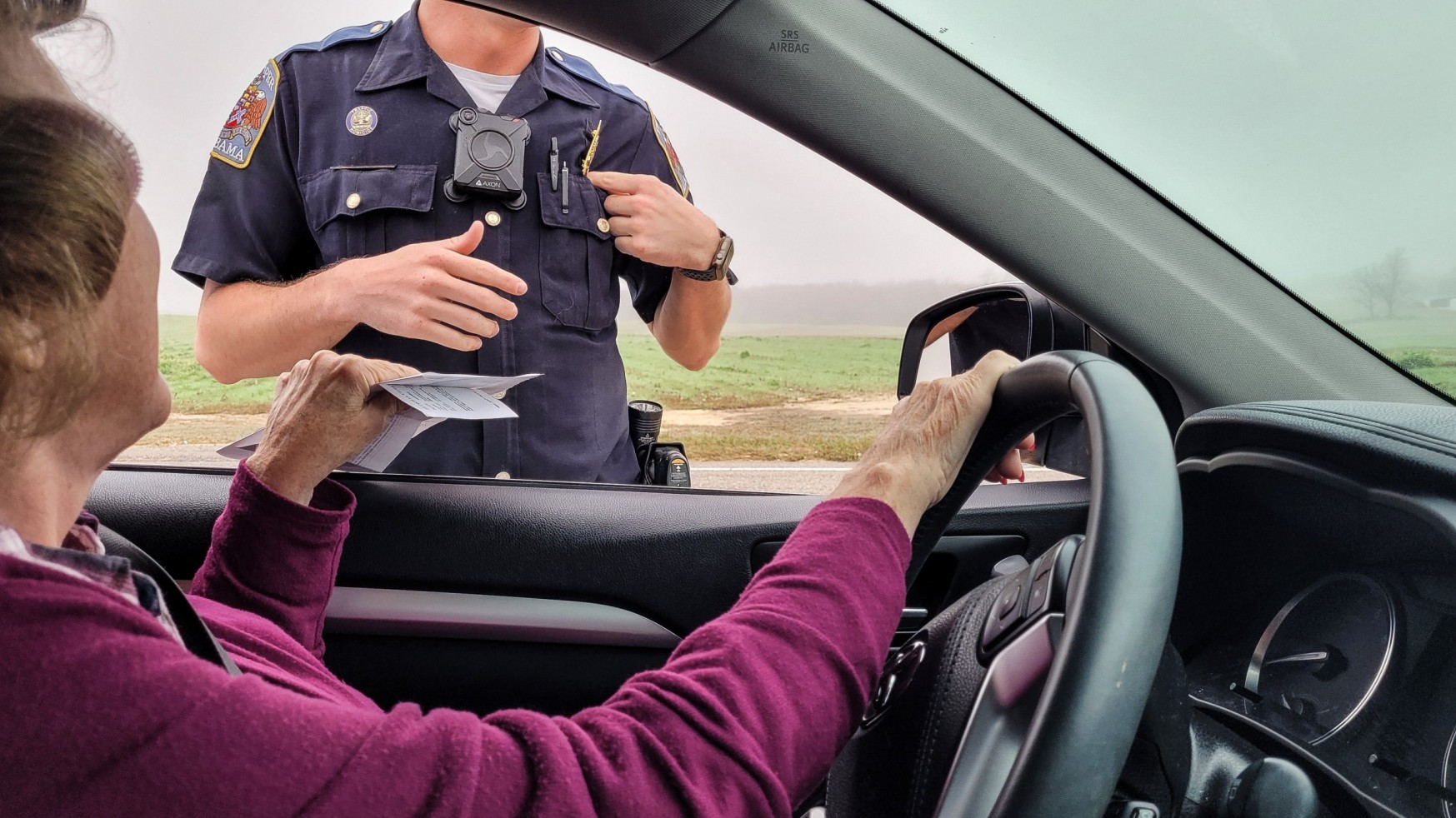
There’s something about blue lights in your mirror that short-circuits normal thinking. By the time the officer is at your window, your heart is already beating faster than usual, and your brain is running about three steps behind where it needs to be. Questions start coming. And somewhere in that gap between what you’re feeling and what comes out of your mouth, something gets said that wasn’t quite accurate.
Maybe a wrong name. Maybe a claim about your license that wasn’t true. Maybe an address that belonged to someone else entirely. In the moment, it felt like the simplest way through — something that would smooth things over and get everyone moving again.
Here’s what most people don’t know until it’s already too late — that moment doesn’t stay in the past. It follows you.
What Missouri Law Actually Says
People assume that false information during a traffic stop is a minor issue. It isn’t.
Missouri Revised Statutes § 575.080 covers knowingly making a false statement to a law enforcement officer. During a traffic stop, deliberately providing false information can be charged as a Class B misdemeanor. Not a moving violation. Not a traffic infraction with points attached. A criminal charge — up to six months in jail, fines, and a criminal record that shows up on background checks for jobs, apartments, and professional licensing in ways that a speeding ticket never would.
The most common situations that generate this charge during stops include giving a false name or date of birth, claiming a vehicle belongs to someone else, stating ignorance of a suspended license you knew about, and providing inaccurate ID details when specifically asked. Each one feels manageable in the split second when it happens. Each one creates exposure that outlasts the stop by years.
Mistakes and Lies Are Legally Different — And That Matters
This is the distinction that shapes how these cases actually get handled — and most people never think about it until they need to.
Missouri’s statute requires the statement to be made “knowingly.” One word. Enormous legal weight. A genuine mistake — misremembering an address under stress, getting a birth year digit wrong, saying something you genuinely believed was true — creates a completely different legal picture than deliberately stating something you know is false. The charge requires intentional deception. Not a stressed-out brain working too slowly. Not imperfect recall.
This is exactly why the specific details around what was said, why it was said, and what the driver actually knew at that moment matter so much. The line between honest error and criminal false statement determines whether a charge holds up at all — and that line deserves real examination rather than automatic assumption that you’re in trouble.
Why Staying Quiet Is Usually the Smarter Move
Most people never consider this option until after they’ve already talked too much.
Missouri requires drivers to hand over their name, driver’s license, vehicle registration, and proof of insurance during a stop. That’s it. Beyond those specific things, you have a constitutional right to remain silent. Declining to answer additional questions creates no criminal exposure. Answering those questions with inaccurate information creates significant criminal exposure.
Silence isn’t suspicious. Exercised calmly, it’s a legal right that exists exactly for situations like this one. A driver who hands over required documents and says nothing more has protected themselves completely. A driver who fills that silence with something inaccurate has created a problem that didn’t exist thirty seconds earlier. Understanding this before a stop ever happens is worth more than anything you could say in the moment under pressure.
What Happens When the Truth Comes Out
The stop doesn’t just continue normally once an inaccuracy surfaces. That’s the part that blindsides people.
Officers verify information through systems completely independent of what anyone says at the window. A false name gets flagged when the plate and description don’t match. A claimed ignorance of a suspension becomes hard to believe when the suspension date makes it implausible. Body cameras record everything. Inconsistencies get documented — sometimes right there on the side of the road, sometimes during follow-up investigation days later.
When it surfaces, the whole situation transforms. Additional charges appear. What started as a stop for something minor becomes a criminal investigation. The person who was trying to avoid a ticket is now facing a misdemeanor charge, potential arrest, and a record that follows them through background checks for years — long after the original incident itself has faded.
A Missouri traffic ticket lawyer who handles these situations understands both the traffic violation side and the criminal charge dimension simultaneously. Speeding Ticket KC works with Kansas City drivers whose stops produced complications well beyond the original citation. Getting involved early — before more gets said, before court dates slip past — is where the most meaningful work consistently happens.
Questions People Ask When This Has Happened
Is giving wrong information at a traffic stop really a criminal charge in Missouri?
Yes — and this catches people completely off guard. Missouri treats knowingly making a false statement to a law enforcement officer as a Class B misdemeanor. Criminal charge. Not a traffic ticket. Potential jail time, fines, and a permanent conviction that surfaces on every background check that matters. The original traffic violation becomes almost irrelevant once this charge enters the picture. Treating it like a routine ticket is one of the most costly early mistakes people make.
What if I genuinely misremembered rather than intentionally lied?
Intent is everything under Missouri’s statute. The charge requires the statement to be made knowingly — meaning the person knew it was false when they said it. Genuine mistakes, stress-driven inaccuracies, information provided in good faith — all of that creates a completely different legal situation from deliberate deception. That distinction shapes whether the charge survives scrutiny, and it’s exactly what a defense attorney examines carefully from the very first conversation.
What am I actually required to say during a traffic stop in Missouri?
Your name, driver’s license, vehicle registration, and proof of insurance. That’s the legal requirement. Beyond those specific things, you have a constitutional right to remain silent. Saying nothing else creates zero criminal exposure. Saying something inaccurate creates real criminal exposure. The safest approach is calm silence after the required documents — not rudeness, not confrontation, just the quiet use of a right that exists specifically for moments like this one.
What if I wasn’t charged with anything at the scene?
Charges can arrive days or weeks later. Officers document inconsistencies and pursue them after verification. System checks confirm or contradict what was said. Body camera footage gets reviewed. Not being charged at the scene doesn’t mean the situation is over. Getting legal guidance promptly after a stop where inaccurate information was provided is worth doing, regardless of how that stop ended in the moment.
Should I contact a lawyer even if what I said seemed minor?
Yes — and sooner rather than later. The difference between a minor inaccuracy and a criminal false statement charge often comes down to specific details that an attorney can examine and contextualize before they develop into something significantly worse. Speeding Ticket KC helps Kansas City drivers navigate stops that produced complications beyond the original citation. A conversation early in the process consistently produces better outcomes than waiting until things have already moved further than they needed to.