
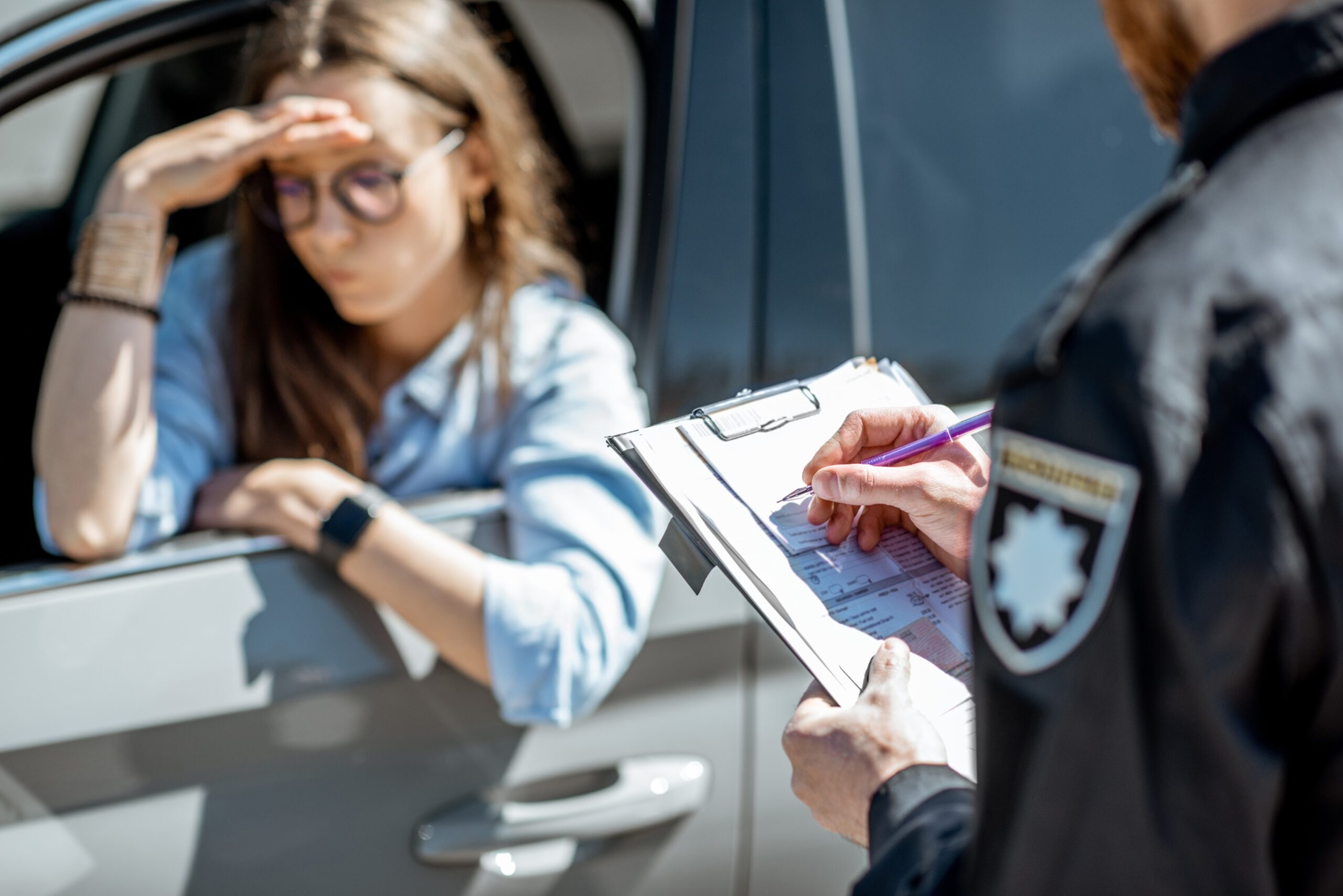
Riders rarely see it coming. You’re moving your ATV from one spot to another, crossing a quiet street you’ve crossed a hundred times before. Or you’re cutting through a neighborhood on a dirt bike because the trail connects right there, and it genuinely never occurred to you that it was a problem. The whole thing feels like nothing — until blue lights appear behind you and suddenly it very much is something.
Off-road driving violations catch people off guard, not because they’re reckless, but because the rules around where these vehicles can and can’t go are genuinely less obvious than most riders assume. The line between where you’re allowed and where you’re not doesn’t always match where people expect it to be.
What Missouri Law Actually Covers
Broader than most people realize. That’s consistently the answer with these violations.
Missouri Revised Statutes § 304.013 generally prohibits operating off-highway vehicles — ATVs, UTVs, dirt bikes, similar machines — on public roads, streets, and highways. No license plate doesn’t create an exception. Not being on a highway doesn’t either. Only crossing for a short distance doesn’t matter legally, even though it feels like it should. Missouri law doesn’t build in exceptions based on distance or intent. The violation is operating the vehicle on a public road without meeting the legal requirements. That’s it. Everything else is context that doesn’t change the core legal fact.
Kansas City layers its own municipal ordinances on top of state law, creating another dimension most riders never think about until they’re already holding a citation. What might be permissible under state law in certain rural county situations can still violate a specific Kansas City ordinance — and officers enforce both simultaneously.
Exceptions Exist — But They’re Narrower Than People Hope
Here’s something most riders genuinely don’t know — exceptions do exist. They’re just not as wide as people tend to assume.
Some rural Missouri counties allow ATV use on certain low-traffic roads under specific conditions — daylight only, proper lighting, registration, and speed limits. Agricultural exceptions exist in some contexts. Some municipalities around Kansas City have local ordinances permitting limited road use when vehicles meet defined equipment standards. These carve-outs are real and worth knowing about.
The problem is that most riders don’t know whether any of them apply to their specific situation — the specific road, the specific vehicle, the specific local rules governing that area. That uncertainty cuts both ways. Some riders who get cited may actually have had a valid exception that the officer didn’t account for. That possibility deserves examination rather than automatic assumption in either direction.
Why the “I Was Just Crossing” Explanation Doesn’t Help
This is the reasoning almost every rider leans on. It almost never helps in a legal context, and understanding why matters.
Fifty feet of public road carries the same legal exposure as two miles down a county highway. The violation is the presence of the vehicle on the road without meeting the requirements — not the distance, not the duration, not the reason it happened. Officers in communities around Kansas City, where trails and residential streets intersect, watch for this specifically. The “I was just crossing” explanation is one they hear constantly. It doesn’t change what the statute says or how the citation gets processed.
What the Ticket Actually Does to You
The fine on the paper is just the beginning.
Operating an off-highway vehicle on a public road can bring fines, points on your driving record, and if other issues were present — no license, no registration, other violations happening at the same stop — the exposure grows quickly. Points accumulate toward suspension thresholds. Insurance companies check records and adjust premiums based on what they find. Even a small point addition compounds over three years in ways that cost more than the original fine ever did.
For commercial drivers, the math gets harder — any moving violation adds complexity to a CDL record that federal regulations already scrutinize. And paying the fine in Missouri without understanding what you’re admitting to locks in consequences that follow you longer than the moment that caused them.
Getting the Right Perspective Before You Decide Anything
Most riders look at this kind of ticket and reach for their checkbook. Fastest exit, least stress, done.
But paying in Missouri is an admission of guilt — immediately and permanently. Points land. Records update. Insurance adjusts. And any exception or defense that might have existed closes before anyone gets to examine it. Before that happens, at minimum, understand what you’re actually holding.
A Missouri traffic ticket lawyer who knows both Missouri traffic law and Kansas City’s specific local ordinances can examine the facts, identify whether any exceptions apply, and determine whether the charge holds up when someone actually looks closely. Speeding Ticket KC works with riders facing off-road violations regularly and understands both the state framework and the local rules that shape real outcomes. Getting that perspective before you pay or miss a court date changes what options are actually available.
Questions Riders Ask After Getting This Ticket
Is riding an ATV on any Kansas City road automatically illegal?
Not automatically — but the exceptions are genuinely narrower than most people hope. Missouri generally prohibits off-highway vehicles on public roads, but rural county provisions, agricultural exceptions, and local ordinances create limited carve-outs when vehicles meet specific equipment and registration requirements. Whether any of those apply depends on exactly where you were, what your vehicle was equipped with, and what local rules govern that specific area. Assuming either way without verifying is a gamble that rarely pays off.
Does this add points to my Missouri driving record?
It depends on how the violation gets classified. Some off-highway vehicle road violations carry points as moving violations. Others get classified differently. That distinction matters because points accumulate toward suspension thresholds and show up on records that insurance companies check regularly. Knowing what your specific citation actually means before you respond is the only way to make an informed decision about how to handle it.
What if I genuinely didn’t know the road was public?
Understandable — and it happens more often than people realize, especially in areas where trails and roads blend without clear signage. Not knowing doesn’t eliminate the violation under Missouri law. But it shapes the context of a defense and influences how prosecutors and judges respond to the situation. Documenting the specific conditions at that location as soon as possible — signage, visibility, road markings — strengthens any argument built around that context.
Can the ticket get dismissed or reduced?
In some situations — yes. If the road qualified under an exception the officer didn’t consider, if your vehicle met requirements that weren’t accounted for, or if there are procedural issues with the citation, those create genuine grounds to challenge the charge. An attorney examines the specific stop, the road, and the citation language for anything that doesn’t hold up under scrutiny. These cases aren’t always as final as they first appear.
Do I actually need a lawyer for something this minor?
For a simple violation with a completely clean record and no complications, it’s a real judgment call. But if other violations were cited alongside this one, if your existing record makes points a genuine concern, if you hold a commercial license, or if you think an exception might apply, legal guidance makes a measurable difference. Speeding Ticket KC helps Kansas City riders understand exactly what their ticket means and what options exist before any decisions get made. That clarity consistently produces better outcomes than paying first and asking questions afterward.