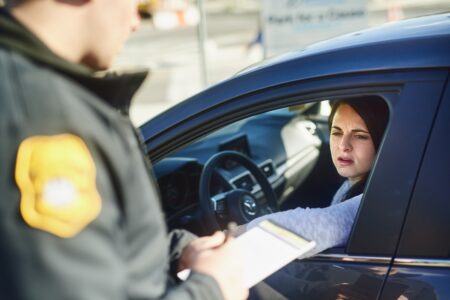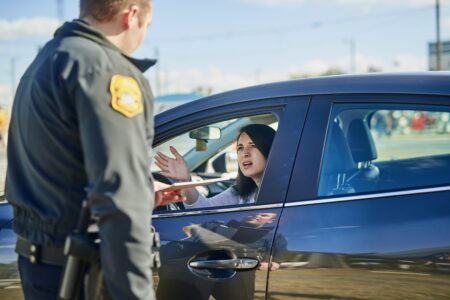

Pulling away from a parked spot is something drivers do without much thought. Check the mirror, signal, go. But Kansas City officers write citations for unsafe departures from parked positions more regularly than most people expect — and the accidents that stem from these situations create legal problems that follow drivers well past the incident itself.
The part that catches people off guard isn’t always the ticket. It’s learning how clearly Missouri law assigns responsibility when something goes wrong, pulling away from the curb.
What Missouri Law Requires Before You Move
Missouri law under RSMo § 304.351 is straightforward. A driver leaving a parked position must yield to all approaching traffic and pedestrians before entering the roadway. The vehicle re-entering traffic carries the full legal obligation to wait until the move can be made safely. Traffic already moving on the road has the right of way — period.
That obligation doesn’t change based on how long you’ve been waiting. It doesn’t shift because a gap looks close enough or because someone behind you is getting impatient. You yield until it’s genuinely safe. Not probably safe. Actually safe.
Missouri also requires a signal when pulling away from a curb or parked position. The signal communicates intent before the move — not during it. A blinker activated the same moment you swing into traffic doesn’t satisfy the legal requirement. Intent needs to be communicated in advance, and that distinction matters when an officer is documenting what happened.
Where These Situations Go Wrong in Kansas City
Parallel parking on streets is the primary source of these violations. Downtown Kansas City, Westport, the Crossroads, the Plaza area — busy neighborhoods where drivers pull away from curbs directly into moving traffic constantly. A driver focused on the gap to the left misses a cyclist approaching from the right. Someone pulls out without fully clearing their sight line past the vehicle parked ahead of them.
Busy commercial streets create their own version of this problem. Troost Avenue, Independence Avenue, and stretches of Broadway — roads where parallel parking sits right next to two-way traffic moving at 30 to 40 mph. The sight distance available from a parked position is often blocked entirely by delivery trucks, oversized vehicles, or the natural curve of the street. Drivers commit to pulling out before they can fully see what’s coming.
Residential streets feel lower-stakes but still generate citations and claims when things go wrong. A child on a bike, a dog walker, a driver coming around a corner faster than expected — residential incidents happen, and they get documented the same way as anything else.
What the Citation and Any Accident Actually Mean
Failing to yield when leaving a parked position is a moving violation in Missouri. Two points on your license. Fines typically between $100 and $150 before court costs. That’s the base case with no accident.
The insurance angle is what drivers consistently underestimate. A moving violation gives your provider grounds to reassess your risk at renewal. A rate increase that compounds over two or three policy terms regularly costs more than the original fine did. Paying the ticket feels like the quick way out. The financial trail it leaves behind isn’t frequently.
If the unsafe departure caused a collision, fault defaults heavily to the driver who was pulling out. That determination shapes the insurance claim, affects your rates, and opens civil liability if someone is injured. The citation becomes evidence in the insurance investigation — and what happens to the citation directly affects what happens to the claim.
A Missouri traffic ticket lawyer can help you understand what you’re actually facing before you decide anything.
How Speeding Ticket KC Handles These Cases
Speeding Ticket KC is a recognized law firm in Kansas City, Missouri. They handle traffic violations and related defense matters — including failure to yield citations from parked departures and the accident claims that sometimes follow.
Their attorneys go through each case on its own facts. What exactly was cited? What did the officer document? Is there dashcam footage, a nearby business camera, or witness accounts that tell a different story? What realistic outcomes exist — reduction, dismissal, a negotiated result that limits damage to your record? No assumptions, no templates. Each case gets read on what it actually shows.
Questions People Actually Ask
Who has the right of way when someone pulls out from a parked spot?
Traffic already moving on the road has the right of way — always. The driver leaving the parked position carries the full legal obligation to yield before entering traffic. This applies regardless of how slowly approaching traffic is moving, how long you’ve been waiting, or how brief the entry movement is. If a collision follows, fault defaults to the driver who pulled out unless there’s specific evidence that the approaching vehicle was also doing something unlawful.
Do I have to signal when pulling away from the curb in Missouri?
Yes. Missouri law requires a signal before pulling away from a parked position. The signal must be given with enough advance notice to communicate intent to other drivers before the move begins. Signaling while simultaneously pulling into traffic doesn’t satisfy the requirement legally. Officers enforce this — particularly in situations where a collision or near-miss occurred, and the other driver claims they had no warning of the departure.
Can I fight a failure to yield citation from a parked exit?
Yes — and the specific details matter. These citations are built on officer observation, which creates room to challenge the account. Dashcam footage, business camera video, witness statements, and physical evidence from the scene all feed into whether the citation accurately reflects what happened. A lawyer reviews what’s available and gives you an honest read on whether there’s a realistic path to reduction or dismissal.
How does this affect an insurance claim after a collision?
Significantly. A failure to yield citation from a parking departure establishes fault in most insurance investigations. That determination drives claim payouts, affects your rates at renewal, and follows you across multiple policy terms. Fighting the citation — or at minimum negotiating a reduction — can meaningfully affect how the insurance side gets resolved alongside the court side.
What if the approaching driver was speeding when I pulled out?
Missouri applies comparative fault principles in accident cases. If the approaching driver was traveling significantly above the speed limit, that can be introduced as part of your defense. It doesn’t automatically eliminate your liability as the driver who pulled out, but it can reduce your share of fault in both the citation and any civil claim. A lawyer can assess whether that argument applies to your specific situation and whether the evidence supports making it.