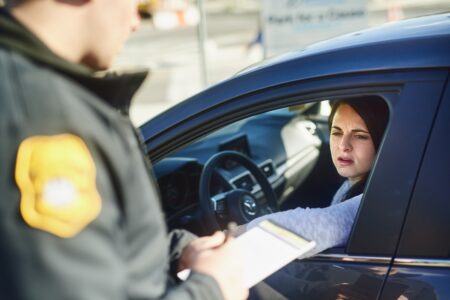

Traffic stops do something to people. Blue lights appear, an officer walks up, questions start coming — and somewhere in that uncomfortable, pressurized moment, a person says something that isn’t true. Maybe they gave the wrong name. Maybe they claimed not to know their license was suspended. Maybe they said the car wasn’t theirs when it absolutely was. It felt like the path of least resistance. Like something that would just smooth things over and get everyone on their way.
It almost never works that way.
False statements during Kansas City traffic stops create legal exposure that most people don’t fully understand until it’s already happened. And what starts as a traffic stop for something minor can turn into something significantly more serious based entirely on what gets said in those few minutes.
What Missouri Law Actually Says About This
More than most people think, and the effects are worse than most people realize at the time.
Missouri Revised Statutes Section 575.080 talks about deliberately lying to a police officer. That can be a Class B misdemeanor if it happens during a traffic stop. Not a traffic violation. A charge of a crime. Up to six months in jail, penalties, and a criminal record that shows up on background checks in ways that a speeding ticket doesn’t.
This happens most often during stops when someone gives a false name or date of birth, denies owning a car they own, says they don’t know about a suspended license they do know about, or gives the officer wrong information about other people or events they are looking into. At the time, each one seems like it can be handled. Each one creates criminal exposure that outlasts the stop by years.
Silence and Lying Are Not the Same Thing
This distinction matters more than almost anything else here — and most people don’t understand it clearly until it’s too late.
You have a constitutional right to remain silent during a traffic stop. Missouri requires you to provide your name, license, registration, and insurance. Beyond those specific things, you are not legally required to answer additional questions. Choosing not to answer is not the same as answering falsely. Silence creates no criminal exposure. A false statement does.
This plays out in real situations constantly. A driver who says nothing when asked about outstanding warrants has not committed a crime. A driver who says “no” knowing there are warrants has potentially added a criminal charge to whatever was already happening. The instinct to fill silence with something reassuring is genuinely human. In a traffic stop, silence is almost always the safer choice — and knowing that before you’re in the situation is worth more than figuring it out during it.
Why It Backfires Almost Every Time
The psychology here is real and worth acknowledging.
People say things that aren’t true during traffic stops because they’re scared. They think it will prevent an arrest, avoid a ticket, or de-escalate a situation that feels threatening. And in the moment, it can seem like it’s working — the officer moves on, the conversation continues, maybe the stop ends.
But officers run checks. They verify information through systems that operate completely independently of what someone says. A false name gets caught when the plate and physical description don’t match. A claimed ignorance of a suspension gets questioned when the suspension date makes that ignorance implausible. Body cameras capture statements. Inconsistencies get documented. And when everything surfaces — sometimes right there, sometimes days later — what started as a minor traffic stop has become something with criminal charges attached that were entirely avoidable.
What Changes When a False Statement Gets Discovered
The original traffic stop becomes secondary. That’s the part people don’t anticipate.
When an officer identifies a false statement, the character of the interaction shifts immediately. Additional charges get added. The stop becomes a criminal investigation. Arrest becomes more likely. And someone who wanted to avoid a ticket is now facing a misdemeanor charge, a potential arrest, and a criminal record — from a decision made in thirty seconds that felt like it was helping.
The record itself is the part that lingers. A false statement conviction shows up on background checks for jobs, apartments, and professional licensing in ways that a traffic citation simply never would. One moment at a traffic stop can close doors years later that the person never anticipated losing.
A Missouri traffic ticket lawyer who handles these situations understands both the traffic violation side and the criminal charge dimension simultaneously. Speeding Ticket KC works with Kansas City drivers facing complications beyond the original citation — and getting involved early, before more statements get made or court dates get missed, is where the most valuable work happens.
Questions People Ask When This Happens
Is a false statement during a traffic stop really a criminal charge in Missouri?
Yes — and this genuinely surprises people. Missouri treats knowingly making a false statement to a law enforcement officer as a Class B misdemeanor. Criminal charge, not a traffic infraction. Potential jail time, fines, criminal record on background checks. The traffic violation that prompted the stop becomes almost secondary once this charge gets added. The two issues require completely different legal responses and need to be addressed together from the start.
What if I genuinely misremembered rather than intentionally lied?
Intent matters under Missouri’s false statement statute. The charge requires the statement to be made “knowingly” — meaning the person knew it was false when they said it. Genuine mistakes, stress-related inaccuracies, or providing wrong information without knowing it was wrong create a different legal picture entirely. That distinction between honest mistake and deliberate falsehood is exactly what a defense attorney examines carefully — because the answer shapes whether the criminal charge holds up at all.
Can I refuse to answer questions at a traffic stop without creating problems?
Yes — within limits. Missouri requires drivers to provide their name, license, registration, and insurance. Beyond those specific requirements, you have a constitutional right to remain silent. Declining additional questions creates no criminal exposure. Answering them falsely does. Understanding this before a stop happens — not during it — puts you in the best possible position.
What if I wasn’t charged with a false statement at the scene?
Charges can come later. Officers who suspect a false statement but can’t immediately confirm it document the inconsistency and pursue it after verification. Body camera footage, system checks, and follow-up investigation can produce a charge days or weeks after the original stop. Not being charged at the scene doesn’t mean the situation is resolved. Getting legal guidance promptly after a stop where inaccurate information was provided is worth doing, regardless of what happened in the moment.
Should I contact a lawyer even if it seems minor?
Yes — and sooner rather than later. The line between a minor inaccuracy and a criminal false statement charge often comes down to details that an attorney can examine and contextualize before they harden into something worse. Speeding Ticket KC works with Kansas City drivers on traffic stops that have produced complications beyond the original citation. A conversation early in the process — before more statements get made or decisions compound the problem — consistently produces better outcomes than addressing things after they’ve already developed further than they needed to.