
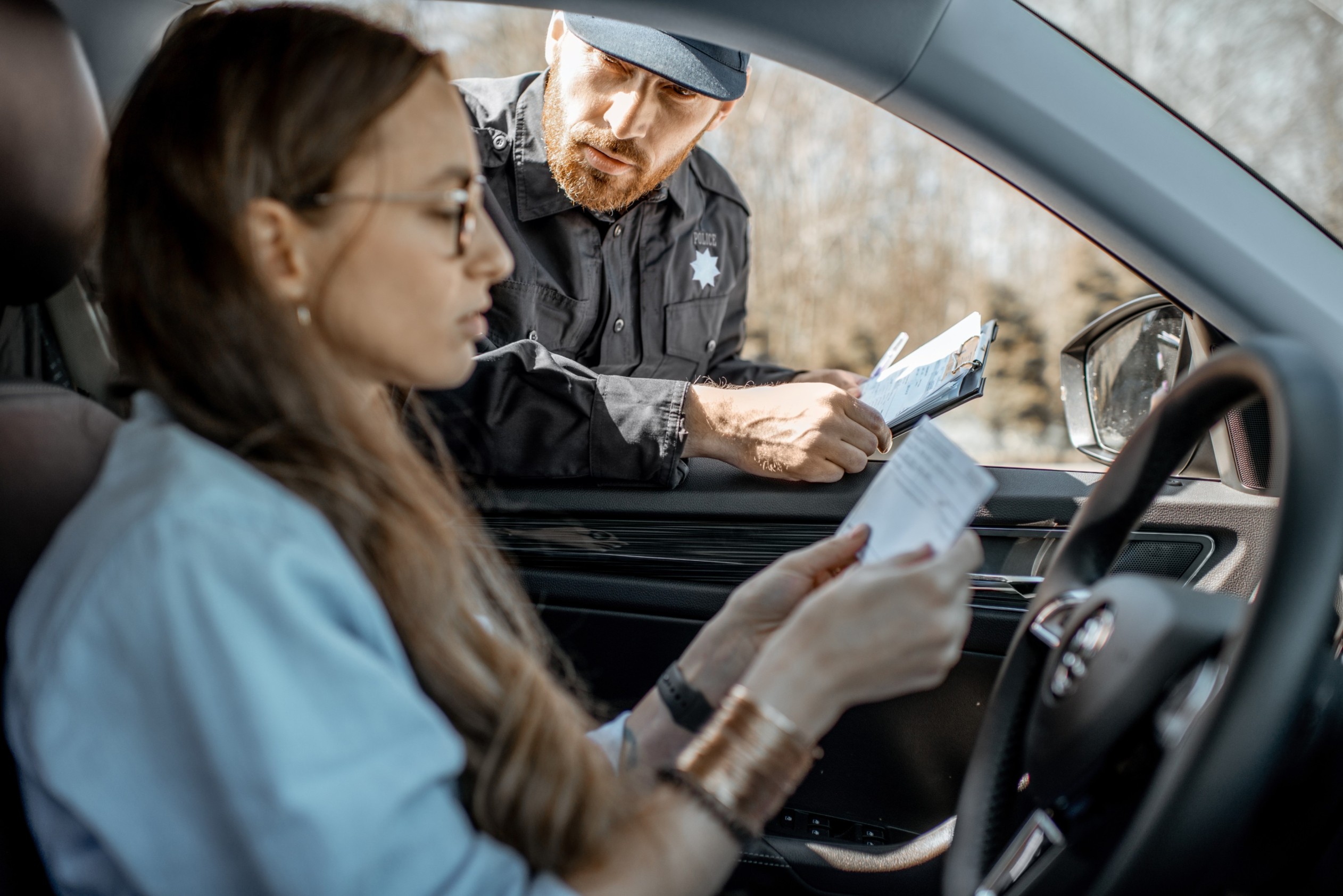
Nobody plans to end up in the wrong lane. That’s worth saying upfront, because most wrong-side driving violations in Kansas City don’t happen because someone made a reckless choice. They happen in seconds — a missed turn, a confusing intersection, a GPS instruction that made sense on screen but not on the actual street. And then lights flash in the mirror, and a routine drive becomes something with legal consequences attached. What happens next matters more than most drivers realize.
Kansas City Roads Are Genuinely Confusing — And That’s Not an Excuse
Let’s be real about the road layout here. Kansas City has a downtown grid that shifts direction, one-way streets that change without clear warning, and older neighborhood roads that predate modern traffic design. The area around the River Market alone has produced more wrong-turn confusion than most cities generate in a year. Add in the constant construction reroutes — I-670, the ongoing projects near the Crossroads, the perpetual disruption along Northeast Kansas City corridors — and you have a city where navigation errors happen to careful drivers.
That said — and this is the part that matters legally — confusion about road layout doesn’t automatically create a defense. Missouri law requires drivers to operate on the right side of the roadway, and an officer who observes a vehicle going the wrong direction has grounds for a citation regardless of why it happened. The why becomes relevant in court. It doesn’t prevent the stop.
Understanding that distinction early is what shapes how a driver should respond to this kind of citation.
How These Violations Actually Happen
Wrong-side driving violations in Kansas City cluster around a few recognizable scenarios, and it’s worth knowing them because the circumstances affect both the charge and the defense.
Unfamiliar one-way streets are the most common source. A driver new to the area — or a longtime resident who simply hasn’t traveled a particular block — turns onto a one-way street going the wrong direction. Sometimes they realize it within seconds and correct. Sometimes they travel half a block before an oncoming car or a street sign registers. Officers who observe the entry can issue a citation based on what they saw, even if the driver corrected it quickly.
GPS errors contribute more than people admit. Navigation apps route drivers confidently into turns that put them on the wrong side of divided roads or into one-way streets from the wrong end. The driver follows the arrow. The road doesn’t cooperate. This is especially common in areas where recent construction has changed traffic patterns that maps haven’t caught up to yet.
Construction zone lane shifts create genuine ambiguity. Temporary markings, missing centerlines, and confusing detour signage have put careful drivers in the wrong lane on roads they’ve traveled dozens of times. The road looks different. The markings are unclear. A reasonable person makes a reasonable mistake — and still gets cited.
Fatigue and impairment sit at the more serious end of the spectrum. A driver who drifts across a centerline on a long stretch between Kansas City and a suburb like Lee’s Summit or Grain Valley, or one who fails to register lane markings at all, faces a different legal situation than someone who made a wrong turn. Officers and prosecutors treat these cases accordingly.
What Missouri Law Says — and Where Defense Lives
RSMo § 304.015 is the governing statute. It requires drivers to keep to the right half of the roadway under normal conditions, with defined exceptions for passing, avoiding obstacles, and one-way streets. Outside those exceptions, crossing into oncoming traffic territory is a clear violation.
The violation doesn’t require a collision. It doesn’t require another car to be present. An officer who observes a vehicle operating in the wrong lane or direction has what they need to write a citation. That’s the baseline.
Here’s where defense becomes possible: the citation rests on the officer’s account of what they observed. That account can be examined. Was the officer’s vantage point adequate to clearly establish the direction of travel? Were lane markings visible and unambiguous at that location? Did construction, weather, or road conditions create genuine confusion? Did the driver correct immediately upon realizing the error?
These aren’t technicalities invented to dodge accountability. They’re legitimate questions that affect whether the violation is as clear-cut as the citation suggests. Courts evaluate them, and prosecutors weigh them in negotiation. The strength of the officer’s documentation — and the presence of any contextual factors that complicate it — determines how much room exists to work with.
The Consequences That Stack Up
Wrong-side driving violations carry three to four points on a Missouri license, depending on how the citation is written. Missouri suspends licenses at eight points within 18 months. For a driver carrying any prior violations, three or four new points aren’t a background detail — they’re potentially the margin between driving and not driving.
Fines vary by jurisdiction. Kansas City municipal court handles these cases differently than Jackson County or Clay County courts, and the fine schedule reflects those differences. Court costs add to the base fine regardless of jurisdiction.
Insurance is where the long-term financial hit lives. A moving violation conviction signals elevated risk to carriers. Wrong-side violations in particular — because of their association with more serious accident scenarios — tend to trigger meaningful premium increases. Twenty to thirty percent higher premiums, sustained across multiple renewal periods, can easily total several times the original fine amount.
Paying the ticket closes every option permanently. Once paid, it’s a conviction — counted in points, visible to insurers, on the record. People pay because it feels like the clean ending. It isn’t. It’s the beginning of consequences that follow the driving record for years.
A Missouri traffic ticket lawyer at Speeding Ticket KC gives drivers a real picture of what they’re facing before any decision is made. The firm works Kansas City traffic courts regularly — they know the prosecutors, understand how these specific violations get evaluated locally, and can assess whether the citation holds up under scrutiny. For many clients, that assessment changes everything about what they decide to do next.
When Wrong-Side Driving Becomes a Bigger Legal Problem
Most wrong-side citations stay in traffic court. A moving violation, points on the license, a fine — significant, but manageable with the right legal help.
Some don’t stay there.
If impairment was involved, DUI charges accompany the traffic violation and travel on a completely separate legal track. If an accident resulted — particularly one with injuries — the wrong-side citation becomes evidence of negligence in any civil claim that follows. And if the behavior suggests deliberate disregard rather than a mistake — extended wrong-way driving, high speed, ignoring other drivers’ reactions — prosecutors have the option to pursue reckless driving charges instead of a standard traffic violation.
Reckless driving is a Class B misdemeanor in Missouri. That’s criminal territory: potential jail time, a criminal record, consequences that extend well beyond a driving history. The jump from a traffic ticket to a misdemeanor happens faster than people expect when the circumstances support it.
Getting legal eyes on the situation early matters most when these elevated risks are present.
Questions Drivers Ask About Wrong-Side Violations
1. What if I turned onto a one-way street by mistake and corrected it immediately?
Immediate correction matters — both practically and legally. An officer who observed the entry can still issue a citation, but how quickly the driver recognized and corrected the error is a relevant factor in how the case gets handled. Courts and prosecutors distinguish between someone who drove three blocks against traffic and someone who pulled in, registered the mistake within seconds, and corrected it safely. Document what you remember about the intersection — signage visibility, lane markings, how quickly you corrected — as specifically as possible while the details are fresh.
2. Can construction zone confusion be used as a defense?
Yes, and it’s one of the more viable arguments available for wrong-side violations in Kansas City given how often road projects disrupt normal lane markings. The strength of this defense depends on documentation. Photos of the intersection or road section showing unclear or missing markings, combined with records of active construction at that location, give an attorney concrete material to work with. Missouri holds contractors and agencies to specific standards for temporary road marking during construction — failures to meet those standards have legal relevance.
3. How does this charge affect a CDL holder differently?
Commercial Driver’s License holders face federal regulations layered on top of Missouri state law, and traffic violations — including wrong-side violations — carry enhanced consequences under federal CDL standards. A conviction can affect commercial driving privileges separately from personal license consequences. If you hold a CDL, the professional implications make legal representation essential, not optional. The stakes extend well beyond the personal license.
4. What if the GPS directed me into the wrong lane?
GPS direction is a factual context that an attorney can present, but it functions as mitigation rather than a complete defense. Courts don’t hold GPS manufacturers liable for driver decisions — the driver is responsible for operating the vehicle lawfully regardless of what the navigation app suggests. What GPS evidence can do is support an argument that the driver’s error was genuine and non-deliberate, which influences how prosecutors approach the case and what reduction options exist.
5. What does Speeding Ticket KC actually look at when reviewing one of these cases?
The firm examines the officer’s written account of the incident — what they observed, from where, under what conditions. They look at road conditions, lane marking visibility, and whether the documentation supports the specific charge as written. They assess prior record, jurisdiction, and what realistic outcomes exist given those specifics. Many clients never appear in court; Speeding Ticket KC handles appearances and negotiations directly. The goal is always to find the best available outcome — whether that’s dismissal, reduction to a non-moving violation, or another path — based on what the actual facts support.
Final Thoughts
A wrong-side driving citation arrives looking like a routine traffic ticket. It carries more weight than that — in points, in insurance costs, in the potential for escalation if circumstances warrant it. Treating it like a routine ticket and paying it without exploring options is the decision that tends to create the longest-lasting consequences. Knowing what you’re actually dealing with before anything becomes permanent is always the right first move.