
Key Things to Know About DUI, DWI, and DWAI – Guest Post
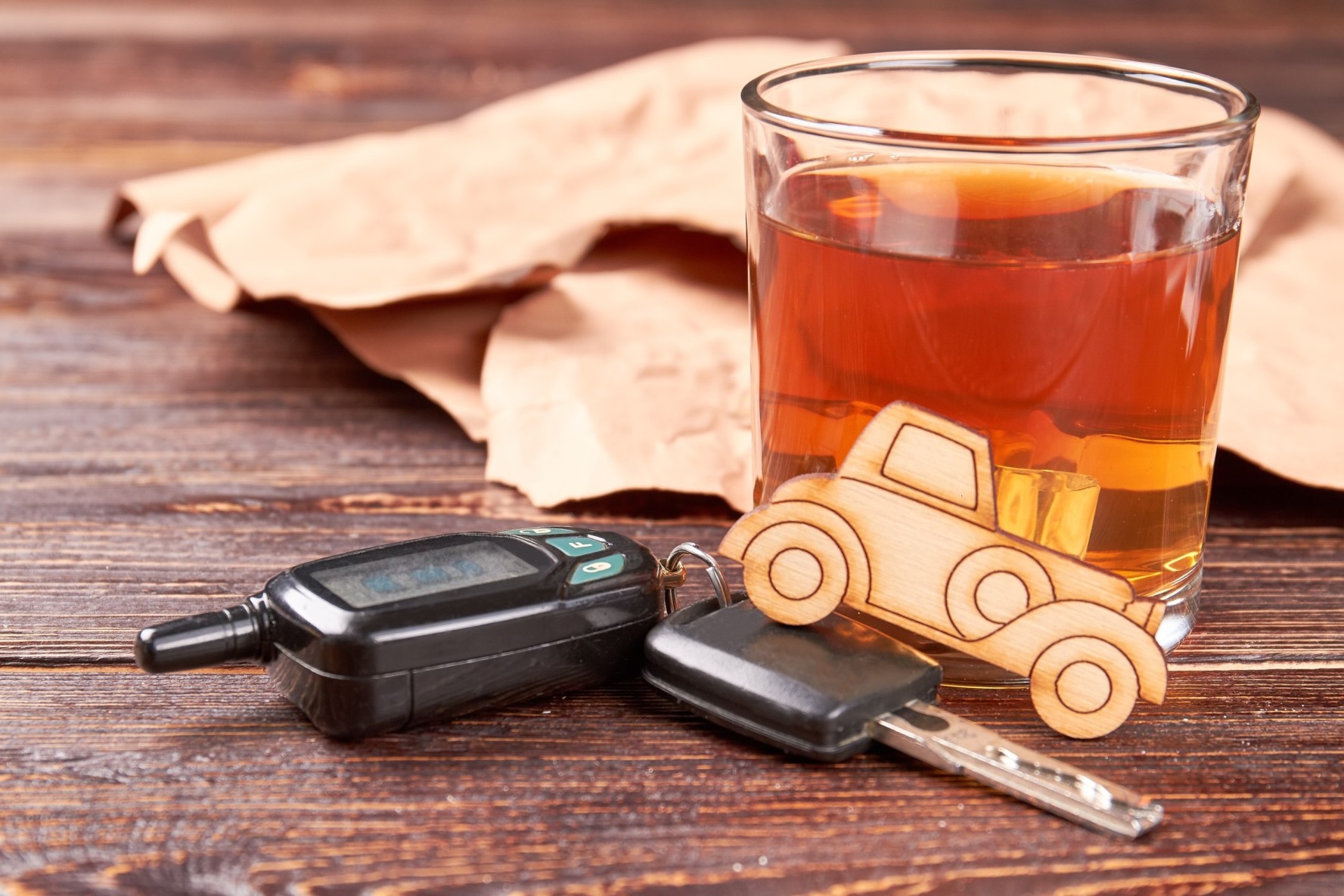
Many drivers can get confused when it comes to understanding DUI, DWI, and DWAI because these terms vary from state to state and can mean different things depending on where you live. These charges all deal with driving while impaired by alcohol or drugs, but each has specific rules and penalties that can affect your driving record and future.
Knowing how these laws work is important for staying safe, avoiding serious legal trouble, and protecting your rights. In this blog post, you will learn the main facts about DUI, DWI, and DWAI so you can be better prepared as a driver in the USA.?
What the Terms DUI, DWI, and DWAI Mean
Let us first understand what terms like DUI, DWI, or DWAI mean. DUI stands for Driving Under the Influence, which covers driving impaired by alcohol or drugs.
DWI means ‘driving while intoxicated or impaired’ and is often used for more serious cases with higher alcohol levels. DWAI, or ‘driving while ability impaired,’ applies when a driver is noticeably impaired but has a lower blood alcohol level.
These terms vary by state, so each state may use one or more differently.
How Is DUI Different from DWI and DWAI?
Drivers need to understand the differences between DUI, DWI, and DWAI because each term has a specific meaning and level of severity. DUI means driving under the influence of alcohol or drugs and is the most common term. DWI, or driving while intoxicated, usually refers to higher levels of alcohol impairment and carries stricter penalties.
DWAI means driving while ability impaired, which applies when a driver is slightly impaired, often with a lower blood alcohol content. These terms vary by state, and some states may use one or more terms differently based on their laws.
When Can You Be Charged With a DWAI?
A DWAI charge can happen under certain conditions, even if the impairment is lower than DUI or DWI limits.
- A BAC between 0.05% and 0.07% can lead to a DWAI charge.
- Showing physical or mental signs of impairment qualifies.
- Driving under the influence of drugs, including prescription or illegal drugs, can result in DWAI.
- Some states, like New York and Colorado, specifically use DWAI laws.
- Drivers under 21 may be charged with DWAI at lower BAC levels.
- DWAI is still a criminal offense with serious penalties.
Penalties for DUI, DWI, and DWAI
The penalties are according to the severity of DUI, DWI, and DWAI charges. Fines vary but often start around $500 and increase with repeat offenses. License suspension periods also increase with repeated charges, often ranging from a few months to several years.
Also, jail time is possible, especially for DWI and multiple offenses. First-time DWAI offenses may result in lighter fines and shorter suspensions, but they are still criminal offenses. Accidents involving injury or death lead to harsher penalties.
How Drug-Impaired Driving Fits Into DUI, DWI, and DWAI
When someone is driving under the influence of drugs, the law treats it similarly to alcohol impairment. Drug-impaired driving includes illegal drugs, prescription medicines, and other substances that affect driving ability.
Though the laws for drugged driving vary across states, with some states having specific limits for substances like THC from marijuana. Police use field tests and blood tests to check impairment. Whether it is DUI, DWI, or DWAI, being impaired by drugs can lead to serious penalties just like alcohol. Driving while impaired by any substance is illegal in all states.
Key Takeaways
- DUI, DWI, and DWAI all involve driving while impaired, but their meanings and penalties vary by state.
- DUI is the most common term for alcohol or drug impairment, while DWI usually refers to higher intoxication levels and stricter penalties.
- DWAI applies to lower levels of impairment but is still a criminal offense with serious consequences.
- A DWAI charge can occur even with a BAC between 0.05% and 0.07% or noticeable signs of impairment.
- Penalties for all three can include fines, license suspension, and possible jail time, especially for repeat offenses.
- Driving under the influence of drugs—prescription or illegal—carries similar penalties to alcohol-related charges in most states.