
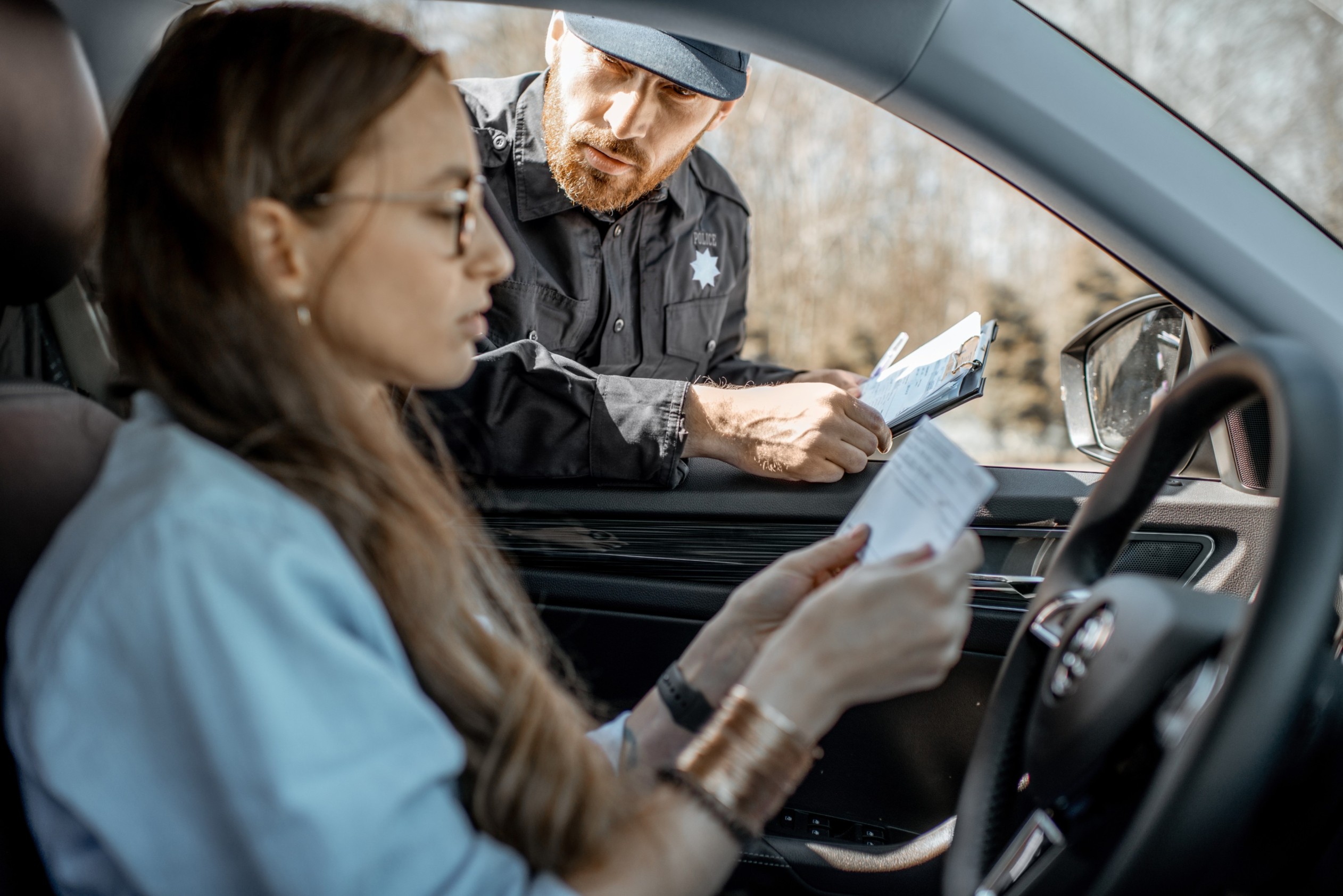
Most people don’t think of a speeding ticket as something they need to budget for. They read the citation, look at the fine, check how long they have before the deadline and weigh whether it is easier to pay than to spend time calling the court or talking to a lawyer. If the amount feels manageable, paying can look like the fastest way to get the ticket out of their week.
The fine is only the part they see first. A ticket can also bring court costs, time away from work, points on a license, higher insurance, or questions from an employer when driving is part of the job. For one driver, it may remain an annoying bill. For another, the same type of violation can become a record problem that costs more later.
That is the point of legal budgeting in a traffic case. It helps the driver look at the ticket as a whole before treating it as just another payment due by a certain date.
The fine is the number everyone notices first
The amount on the citation looks like the price of the problem because it is the easiest number to see. Court costs are less obvious. Insurance changes are even easier to miss because they often appear later, after the ticket has already been paid and forgotten. License points can also feel abstract until they start affecting something real.
A driver with a clean record may see a ticket differently from someone who already has past violations. A person with a company vehicle has more to think about than someone who rarely drives outside normal errands. A parent with a teenager on the insurance policy may care less about the fine and more about what the ticket could do to premiums.
The paper may look routine, but the personal cost is not always routine. That is why the driver should understand what the ticket could affect before paying anything.
Paying fast can be convenient, but it can also be careless
There are many times when paying a ticket is the practical choice. Some violations are minor, the record risk is low, and the driver may decide that spending more time or money on the matter would not change much. No one needs to turn every citation into a court battle.
Paying too quickly can still create trouble. In many traffic matters, payment can mean accepting the violation. Once that happens, the driver may have less room to ask for a different result or protect the record. The ticket may be closed, but the consequences may continue.
What legal budgeting looks like with a ticket
Budgeting for an everyday traffic case does not need to be formal. It is not a spreadsheet exercise. It is simply a clear look at what the ticket could cost now and what it could cost later.
| Cost to consider | Why it can matter |
| Fine | The first visible cost on the citation |
| Court costs | Extra charges may apply beyond the fine |
| Missed work | A court date can take time out of the day |
| License points | Points can affect the driver’s record |
| Insurance | Premiums may rise after a moving violation |
| Attorney fee | Legal help may be worth comparing with the full cost of the ticket |
| Missed deadline | Waiting too long can create extra penalties or license problems |
When a lawyer’s fee is part of the real cost
Many drivers don’t want to call a lawyer because they do not want another bill. That reaction is understandable. A ticket already feels like wasted money, and adding a legal fee can make the situation feel more expensive.
The better comparison is not always attorney fee against fine. It is attorney fee against the possible full cost of the ticket. If legal help can protect the record, save a court appearance, reduce the effect of the violation, or explain the options before the driver makes a mistake, the fee may make sense. When the ticket is truly minor and carries little risk, the driver may decide that legal help is not needed.
The fee should also be clear. A lawyer’s price may not include court fines or court costs, so the driver should ask what is covered and what remains separate. A fee is easier to judge when the person knows exactly what they are paying for.
Legal budgeting is not only for large legal teams
The concept behind legal budgeting is usually discussed in the context of companies and legal departments, but the same habit works for smaller legal decisions too. The basic question is simple: does the money spent on legal help match the risk of the problem?
That question makes sense for a traffic ticket. A small violation with little record risk may not need much money or stress. A ticket that could affect work, insurance, license status, or a record that already has problems deserves more attention. Both choices can be reasonable when the driver knows the full price.
Legal cost budgeting is mostly about avoiding two bad instincts. One is spending more than needed because the ticket feels scary. The other is saving money upfront and paying more later because the real risk was ignored.
Questions worth asking before making a decision
A driver does not have to go into the first call knowing how the court functions. That conversation should clear up the basics: what the lawyer’s fee is, whether fines and court costs are separate, whether anyone has to appear in court and whether the ticket will affect points or insurance. It is also reasonable to ask what kind of result is realistic. A good traffic lawyer will not make the case sound simpler than it is, because the result depends on the court, the charge, the driving record and the details of the stop. Even if the person doesn’t want to hire anyone, the call can still be useful because the next step is based on real information and not guesswork.
A traffic ticket is easier to handle when the full cost is clear
A traffic ticket does not have to become a major legal problem, but it should not be treated as only a fine either. Court costs, insurance, license points, missed work, attorney fees, and deadlines can all change what the ticket really costs.
Good legal budgeting gives the driver a clearer way to choose the next step. Paying may be the right answer. Calling a lawyer may be the right answer. Contesting the ticket may be the right answer. The choice should be based on the whole picture, not just the first number printed on the citation.