
Opening a Car Door Into Traffic in Kansas City: Ticket and Liability Risks
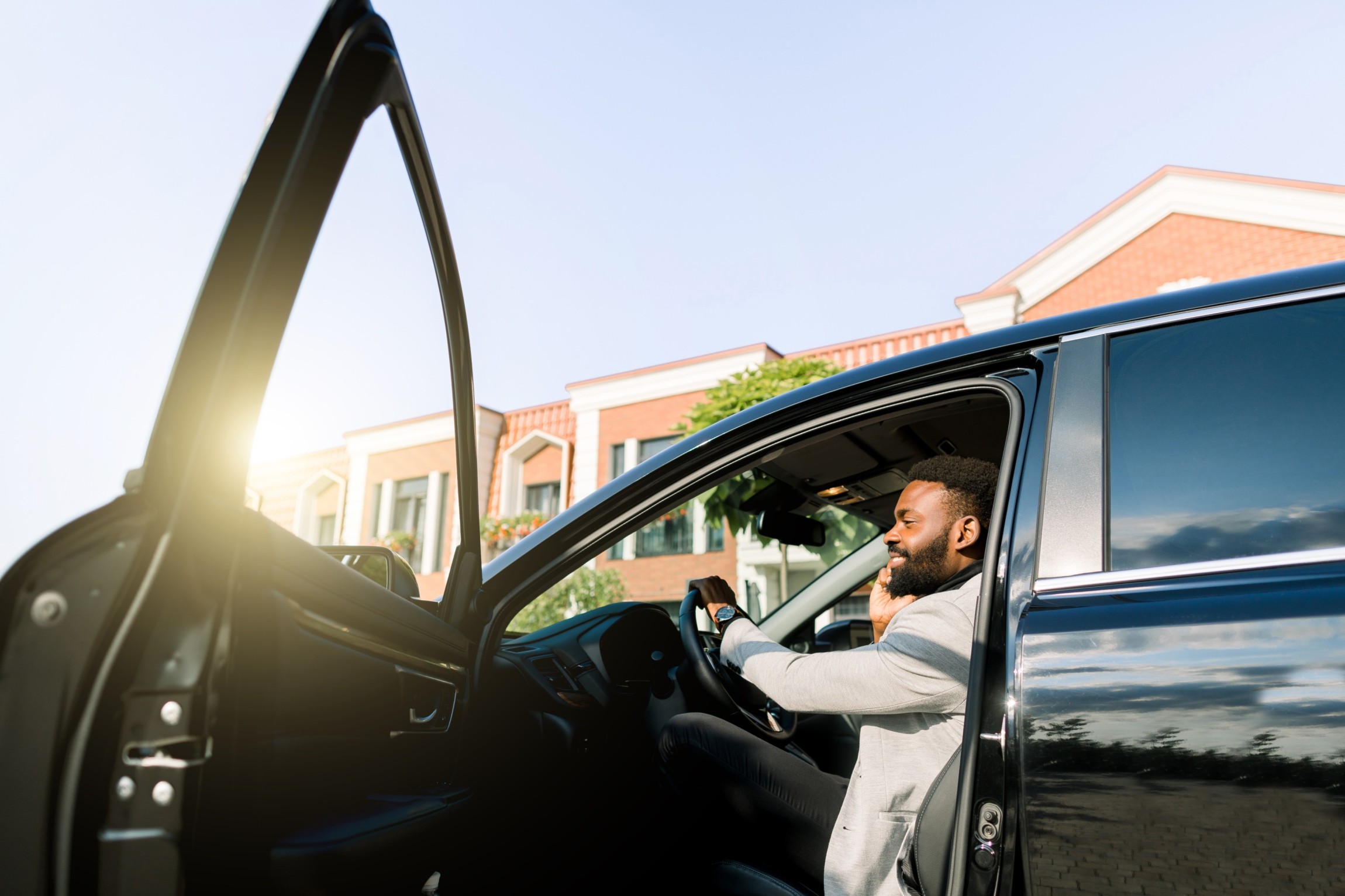
You’re parked on a narrow Kansas City street. Cars are rushing by. A cyclist slips past traffic. You reach for the handle and open your door without thinking.
That split second can change everything.
Most people don’t realize that opening a car door into traffic can lead to a ticket, a lawsuit, or both. It feels like a harmless habit. In Missouri, it’s anything but harmless.
Kansas City sees these cases more often than you’d expect. Downtown streets, crowded neighborhoods, bike lanes squeezed next to parked cars—it’s the perfect setup for trouble.
Let’s walk through what the law says, what really happens after a dooring incident, and why this mistake can get expensive fast.
Missouri Law Doesn’t Give Much Wiggle Room
Missouri law is blunt about opening car doors. You can’t open a vehicle door unless it’s safe. You also can’t leave it open longer than needed.
That’s it. No gray language. No excuses baked in. If a door opens into traffic and creates danger, an officer can issue a ticket. A crash doesn’t need to happen. A near miss is often enough.
You know what catches people off guard? The law applies to everyone. Drivers. Passengers. Anyone who touches that handle.
Yes, You Can Get a Ticket for This
Many people think, “The car was parked. How can that be a moving violation?”
Missouri treats unsafe door opening as a traffic offense. In Kansas City courts, it’s enforced regularly, especially in busy areas.
A typical ticket may include:
- A citation for unsafe opening of a vehicle door
- Fines set by the local court
- Points added to your driving record
The fine stings, but points hurt longer. Points raise insurance rates. Too many points threaten your license.
Passengers are often shocked when they receive the ticket instead of the driver. It happens more than people admit.
When a Door Causes a Crash, Fault Comes Fast
If your door causes a collision, the situation escalates quickly. Missouri uses pure comparative fault. That means blame can be shared. Even if the other person made a mistake, you may still carry most of the fault.
Let’s say a cyclist was moving fast. Courts still expect drivers and passengers to check before opening doors. Failing to look usually weighs heavily against you.
People assume, “They should have seen me.” Judges don’t love that argument.
Insurance Companies Are Not Your Friend Here
Insurance companies treat dooring accidents as clear negligence. Claims get flagged early.
Some policies cover damages from parked vehicles. Others limit coverage. Either way, premiums often rise after a dooring incident.
Even without a payout, the ticket alone can increase rates. That increase sticks around for years. Honestly, many people say the insurance fallout hurts worse than the fine.
Cyclists and Motorcyclists Take the Hardest Hit
Kansas City’s bike traffic has grown. With that growth comes more dooring accidents. Cyclists have little protection. A sudden door can send them flying into traffic. Broken bones, head injuries, missed work—it adds up quickly.
Motorcyclists face similar risks, especially near curbside parking. These injuries often lead to personal injury lawsuits. Medical bills alone push claims into serious money. If you opened the door, you may be named personally in the case.
How Police Decide What Happened
At the scene, officers focus on basics. Where was the vehicle parked? Was traffic flowing? Was there a bike lane? How long was the door open?
Statements matter. Casual comments like “I didn’t see them” often work against you. That phrase suggests you didn’t check.
Officers may note road markings, damage patterns, and witness statements. Small details carry weight later.
What to Do After You Get a Ticket
First things first. Don’t ignore the ticket. Kansas City courts move fast. Second, avoid paying it right away. Paying often equals admitting guilt.
Third, talk to a local Missouri traffic ticket lawyer who understands Kansas City courts. Local knowledge matters here more than people realize.
This is where Speeding Ticket KC often helps. The firm focuses on traffic violations across Kansas City, Missouri. They know how judges handle unsafe door cases. They know how to protect driving records.
Sometimes the goal isn’t beating the charge outright. It’s limiting damage—fewer points, lower fines, less insurance trouble.
Why Kansas City Experience Actually Matters
Kansas City streets create unique problems. Narrow lanes. Heavy parking. Cyclists riding close to traffic. Constant construction shifting traffic patterns.
Local attorneys understand how these factors play out in court. They know which arguments fall flat and which ones land.
Speeding Ticket KC handles traffic cases every day. That focus helps clients avoid long-term consequences that most people don’t see coming.
FAQs People Always Ask
Can a passenger really get ticketed for opening a door?
Yes. Missouri law applies to anyone who opens a vehicle door. Passengers aren’t protected just because they weren’t driving.
Police often issue citations directly to passengers in these cases.
Is opening a door into a bike lane treated differently?
Not really. Bike lanes count as traffic lanes. Opening a door into one carries the same legal risk.
Kansas City officers monitor bike lanes closely, especially downtown and near major corridors.
What if the cyclist or driver was partly at fault?
Shared fault can reduce your responsibility, but it rarely removes it. Missouri allows blame to be divided.
Courts usually expect door openers to act with extra care, even if others weren’t perfect.
Will my insurance rates go up?
In most cases, yes. Unsafe door opening is seen as negligence.
Rate increases can happen with or without a claim payout. The ticket alone may be enough.
Is it worth fighting an unsafe door ticket?
Often, yes. Details matter. Visibility, timing, traffic flow, and shared fault all play a role.
A firm like Speeding Ticket KC can review the facts and explain realistic options based on the Kansas City courts.
Final Words
Opening a car door feels like nothing. In Kansas City traffic, it can turn into something big very quickly. Knowing the risks doesn’t just protect your wallet. It protects your future on the road.