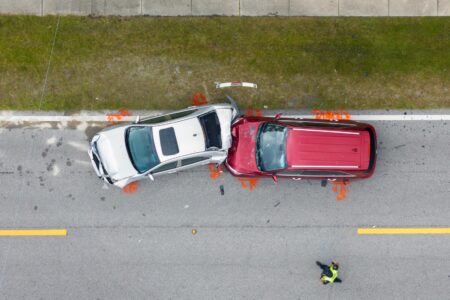

Rear-end collisions are the most common type of accident on Kansas City roads. Everyone knows someone who has been in one, or has been in one themselves. They happen at stoplights, in construction zones, on stretches of I-70 greased by rain when traffic suddenly halts. And practically every time, the driver in the back gets the citation.
Knowing why it happens—and what your options are when it does—is more important than most people realize.
Missouri’s Law Regarding Following Distance
Missouri law, as per RSMo § 304.044, requires drivers to keep a “reasonable and prudent” distance between their vehicle and the vehicle ahead, taking into account their speed, the road conditions, and the volume of traffic. There is no exact number of feet mentioned within the statute. There is no “three car lengths” rule in Missouri law.
That flexibility works both ways. It implies police can exercise discretion in assessing when the following distance was too close.” It also means that there is leeway to contest that decision if the citation does not adequately reflect actual situations.
The legal question is whether a reasonable motorist — paying attention, going that speed, in those conditions — could have stopped safely. That assessment factors in rain, ice, severe traffic, and visibility. A safe following distance on a dry summer roadway may be critically inadequate on a wet November route near downtown.
Why Rear-End Crashes Occur
Kansas City traffic provides its own unique conditions that result in rear-end incidents. The interstate system across the metro — I-70, I-435, I-29, I-35 — carries substantial freight and commuter traffic simultaneously. Sudden slowdowns caused by trucks braking forcefully, which cars following too close don’t have time to react to.
They are in a class of their own. For years, the stretch of I-70 east of downtown has been under construction, in various stages. Lane changes, rapid drops in speed, and merging traffic produce compression spots that quickly eat up the following distance. Missouri doubles fines for moving violations in active construction zones — which means a following citation that normally runs $150 can land at $300 or more.
Distraction amplifies everything. A driver following at a marginal distance might have just enough room to stop — until they glance down for two seconds. That’s when the marginal becomes insufficient in the worst possible way.
The weather is the other major factor. Kansas City winters bring ice and snow that extend stopping distances dramatically. A gap that feels adequate based on summer muscle memory becomes dangerously short on a February morning when the temperature drops overnight, and the bridge deck freezes.
What the Citation and Accident Actually Mean for You
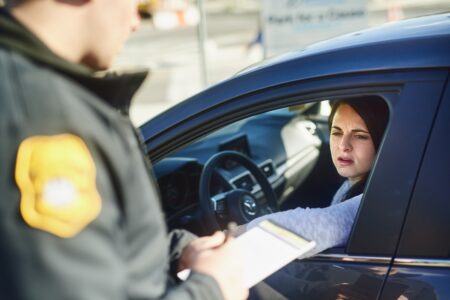
A following too closely citation is a moving violation. Two points on your Missouri license. Fines before court costs typically run between $100 and $200. That’s the base case — no accident, no injuries.
Add an actual rear-end collision, and the picture shifts. Fault in a rear-end accident defaults to the following driver in most situations. Insurance adjusters apply that presumption immediately. The citation becomes evidence in the insurance claim. A rate increase that holds across two or three policy terms regularly costs more than the original fine.
Injuries change everything. Someone hurt in a rear-end collision opens the door to personal injury claims, medical liability, and civil exposure running alongside any traffic citation. The jump from a moving violation to a genuinely serious legal problem happens fast when injuries are part of the picture.
A Missouri traffic ticket lawyer can help you understand what you’re actually dealing with — and where realistic options exist — before you make any decisions about how to respond.
How Speeding Ticket KC Handles These Cases
Speeding Ticket KC is a recognized law firm in Kansas City, Missouri. They handle traffic violations and related defense matters — including following too closely citations and the accident claims that sometimes come with them.
Their attorneys review each case on its own facts. What exactly was cited? What did the officer document? What were the road and traffic conditions? Is there dashcam footage or witness accounts that challenge the official version? What realistic outcomes exist — reduction, dismissal, a negotiated result that limits damage to your record? No templates. Each case gets read on what it actually contains.
Questions People Actually Ask
Is the rear driver always at fault in a rear-end accident in Missouri?
Almost always — but not always. The presumption of fault falls on the following driver because they had the legal obligation to maintain a safe following distance. That presumption can be challenged when the lead driver brake-checked without warning, cut in from another lane with insufficient space, had non-functioning brake lights, or was operating illegally. Missouri’s comparative fault framework allows responsibility to be shared. But the rear driver typically starts the analysis at a disadvantage, and shifting that requires actual evidence rather than just competing accounts.
What counts as “too close” under Missouri law?
Missouri law doesn’t set a specific number. The standard is whether the following distance was reasonable and prudent, given speed, road conditions, traffic density, and visibility. Officers make judgment calls applying that standard, which creates room to challenge citations when the conditions documented don’t support the conclusion that the distance was insufficient. A lawyer can assess whether the specific facts of your situation give you a viable path to reduction or dismissal.
Can I fight a following too closely ticket?
Yes. These citations are based on officer observation and interpretation, which means the account can be challenged. Dashcam footage showing the actual gap and traffic conditions is the most powerful tool. Road condition records, weather documentation, and witness accounts all feed into whether the citation holds up. Even when full dismissal isn’t realistic, reducing the charge to a non-moving violation removes the points entirely and changes the insurance picture considerably.
How does this affect my insurance after an accident?
Significantly. A moving violation combined with an at-fault accident gives your insurer grounds to raise your rates substantially at renewal. The rate increase compounds across multiple policy terms and regularly exceeds the original fine and deductible combined. Fault determination in the accident is heavily influenced by the citation, which is another reason contesting it or negotiating a reduction has real financial value beyond just the points.
What should I do immediately after a rear-end accident?
Document everything at the scene — photographs of vehicle positions, road conditions, brake light visibility, and any skid marks. Get witness contact information before people leave. Note what the other driver says, because statements made at the scene matter later. Don’t make admissions about following distance or speed to anyone except your attorney. Then contact a lawyer before talking to insurance adjusters on the other side. What you say in those early conversations shapes how fault gets assigned in ways that are hard to undo later.