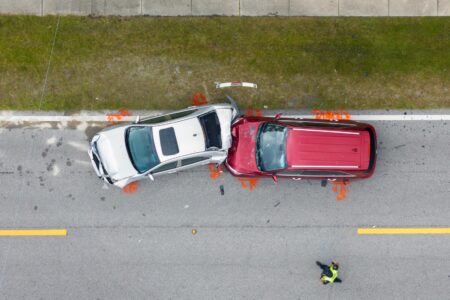

Motorcycle riding offers an unmatched feeling of freedom, especially when you are traveling along the scenic paths of North Georgia. The beautiful landscapes and winding roads draw many riders to the area every year. However, the open nature of a motorcycle leaves you exposed to serious dangers if a collision happens.
When a crash occurs, riders often face tough challenges, not just from their physical recovery, but also from the legal system. Understanding your rights and knowing how local laws work can make a huge difference in your life.
Navigating the Specific Dangers of Milton Roads
The city of Milton, Georgia, is known for its beautiful, rural character and unique horse country scenery. While these traits make for a peaceful community, the local roads present distinct hazards for anyone on two wheels.
Fulton County historically registers some of the highest numbers of traffic collisions and injury incidents in the state. Local roads feature a mix of high-speed commuter traffic and sharp, winding turns. Several specific routes in the Milton area require extra caution from motorcyclists:
- State Route 9 (Alpharetta Highway): This major road carries heavy commercial traffic and features numerous intersections where turning passenger vehicles frequently fail to see oncoming motorcycles.
- State Route 140 (Arnold Mill Road): A critical corridor connecting Roswell to Cherokee County that sees constant commuter rush hour traffic, increasing the odds of a rear-end or sideswipe collision.
- Hopewell Road and Birmingham Highway: These roads are beloved for its scenic views, but their sharp bends, blind hills, and occasional loose gravel or agricultural debris can easily cause a rider to lose traction.
- Freemanville Road: This path has many residential driveways and hidden entrances, meaning cars often pull out unexpectedly into the path of an oncoming bike.
The Reality of Blind Spots and Driver Distraction
The vast majority of multi-vehicle motorcycle accidents happen because drivers of passenger cars are not paying close attention. Because motorcycles have a smaller profile than trucks or cars, standard motorists frequently overlook them in traffic.
Distracted driving is a major contributor to this issue. When a driver glances down at a smartphone to read a text message or check a navigation map, they can travel the length of a football field without looking at the road. A motorcycle traveling nearby can easily be cut off or struck during an improper lane change because the driver failed to check their blind spots properly.
Overcoming the Unfair Stereotype of the Reckless Rider
One of the biggest hurdles an injured motorcyclist faces after a collision is the cultural bias against riders. Insurance adjusters and defense lawyers often start with the assumption that the motorcyclist must have been speeding or weaving through traffic recklessly.
This bias is unfair, as studies consistently show that most multi-vehicle motorcycle wrecks are caused by the drivers of the larger vehicles. Overcoming this stereotype requires gathering strong, clear evidence right from the beginning of the case. This includes collecting traffic camera footage, speaking to nearby witnesses, and obtaining electronic data from the vehicles involved.
Understanding Your Legal Rights After a Collision
If you are injured in a crash, you may have the right to seek financial compensation for the losses you suffered. Georgia law allows victims to pursue damages from the at-fault driver to help cover the costs associated with the event.
When you file a personal injury claim, you can seek recovery for two main types of losses: economic and non-economic.
Breaking Down Economic and Non-Economic Damages
Economic damages are the direct financial costs that you can prove with receipts, bills, and payroll records. They include:
- Medical Expenses: This covers emergency room care, hospital stays, surgeries, physical therapy, and any future medical treatments you will need.
- Lost Wages: If your injuries prevent you from going to work, you can recover the income you missed out on during your recovery.
- Property Damage: This covers the cost to repair or replace your motorcycle, riding gear, and helmet.
Non-economic damages are more subjective and cover the personal impact of the crash on your daily life. They include:
- Pain and Suffering: The physical pain and discomfort caused by your injuries.
- Loss of Enjoyment of Life: The inability to participate in hobbies, family activities, or recreational riding like you did before the accident.
If you need professional legal help to calculate these losses and fight against insurance companies that try to minimize your claim, working with a dedicated motorcycle accident attorney in Milton can protect your future stability.
How Fault Rules Impact Your Financial Recovery
Georgia follows a rule known as modified comparative fault. This system means that your financial recovery can be reduced based on your percentage of responsibility for the accident.
Under this law, you can recover compensation as long as your share of fault is less than 50 percent. For example, if a jury decides that your total damages are 100,000 dollars, but they find you were 20 percent at fault because you were traveling slightly over the speed limit, your final payout would be reduced by 20 percent to 80,000 dollars. If your fault reaches 50 percent or higher, you are completely barred from recovering any money from the other party.
When reviewing your options, it helps to understand how state rules divide responsibility. You can find detailed resources on regional highway rules through the Georgia Department of Transportation to see how road design influences safety. If you are found between 0 percent and 49 percent at fault, you can recover damages, though your payout is reduced by your fault percentage. However, if you are found to be 50 percent or more at fault, you cannot recover any compensation under state law.
The Impact of Georgia Helmet Laws on Your Claim
All riders and passengers in the state are required by law to wear a compliant protective helmet. You can review safety campaigns and legal guidelines directly through the Georgia Governor’s Office of Highway Safety to see how helmet standards are enforced across the state.
If you are involved in a wreck while not wearing a helmet, the insurance company will almost certainly try to use this fact against you. While failing to wear a helmet does not prevent you from filing a lawsuit, it can be used to argue that you contributed to the severity of your own head or neck injuries, which could lower the amount of compensation you receive.
Steps to Take Immediately Following a Crash
The actions you take in the minutes and days after a motorcycle crash are critical for both your physical health and your potential legal case. If you are physically able to do so, try to follow these steps:
- Call Emergency Services: Contact the police immediately so an official accident report can be filed. This document serves as a foundational piece of evidence.
- Seek Immediate Medical Attention: Even if you feel fine, adrenaline can mask serious injuries like internal bleeding or concussions. Go to a hospital or urgent care clinic right away.
- Document the Scene: Take photographs of the road conditions, skid marks, vehicle damage, and any visible injuries.
- Exchange Information: Collect names, phone numbers, insurance details, and license plate numbers from everyone involved. Also, get contact info from any witnesses who stopped.
- Avoid Making Statements: Do not apologize or admit fault to the other driver or to insurance adjusters at the scene. Stick strictly to the basic facts.
Building a Strong Claim for the Future
Dealing with insurance companies while trying to heal from severe injuries can be incredibly stressful. Insurance corporations are businesses designed to protect their financial bottom line, which means they often offer quick, low settlements to injury victims before the full cost of medical care is truly known. For drivers who want to better understand the impact of points, moving violations, or how court modifications work in different regions.
By relying on professional guidance and focusing on clear evidence, you can level the playing field. Protecting your rights ensures that you can focus on what matters most, which is getting back on your feet and returning to the life you love.