
Step-by-Step: How Radar Equipment Is Used in Kansas City
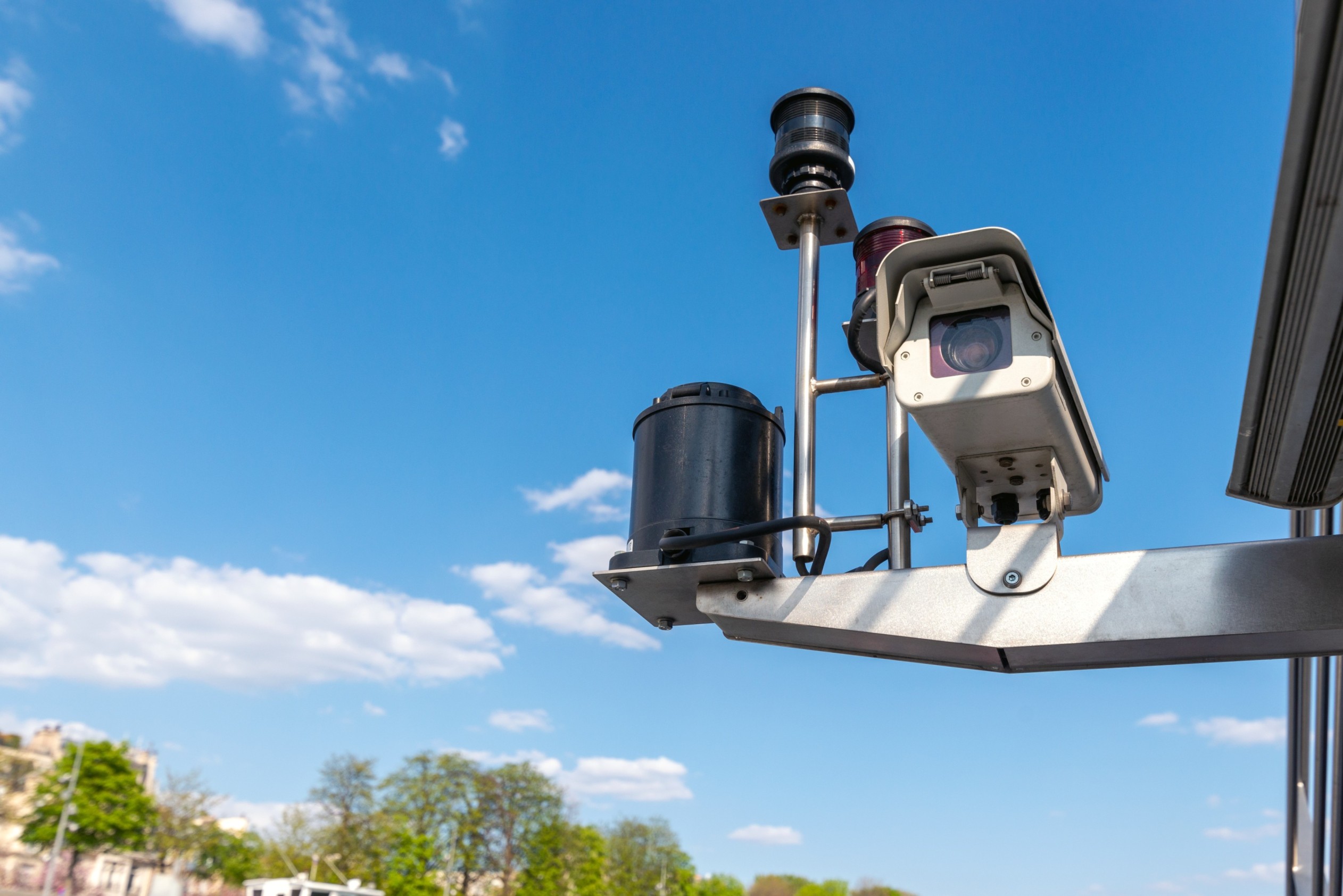
You’re driving down I-70, music low, eyes steady on the road. Then—flash. Blue lights in your rearview mirror. You glance at your speedometer and wonder, How did they even catch that so fast?
That flash didn’t come from magic. It came from radar. In Kansas City, radar equipment is one of the most relied-on tools for enforcing speed limits. But how it’s used, and whether it’s accurate, might surprise you.
Let’s walk through it—step by step.
1. Setting Up the Radar: Accuracy Starts Before the Chase
Before an officer ever pulls someone over, their radar equipment goes through setup and calibration. It’s not just “turn it on and go.”
Each radar unit must be tested at the start of a shift. Officers use a tuning fork to check the device’s accuracy. When struck, it vibrates at a set frequency, just like a musical note. That frequency mimics the sound of a car moving at a certain speed.
If the radar reading matches the fork’s marked speed, the equipment’s good to go. If not, it shouldn’t be used.
The catch? Sometimes officers skip or rush that test. And that’s where Speeding Ticket KC, a leading Kansas City Traffic lawyer, can step in. Calibration logs—or lack of them—can make or break a speeding case.
2. Targeting Vehicles: The Art of Aim
Imagine this scenario: You’re traveling east on Ward Parkway. Ahead is a patrol car parked at an angle relative to the curve. This isn’t just random.
Radar works by sending out radio waves. When the rays hit a moving object, such as your car, they bounce back. The radar measures the amount of shift in the frequency of the returning signal. This shift–known as the Doppler effect–tells the radar how fast you’re traveling.
However, there’s one thing that counts, namely the angle of the patrol car’s radar beam. If the radar beam is not directed straight toward your car, the reading can be less than your actual speed. While this may seem beneficial, it raises questions about accuracy and the potential for training issues in court.
Radar is also a line-of-sight technology. If two cars pass by each other as they are close, the instrument may lock onto the larger car or the one that reflects the stronger signal. So you see, at times, the other driver is the victim.
3. Capturing the Reading: How Radar “Sees” Speed
Once the officer locks onto your car, the radar captures and displays your speed instantly. Most modern units can track multiple vehicles at once. They’re fast, but not perfect.
Older models required officers to interpret signals manually. Now, digital radars calculate speed automatically, even while the patrol car is moving. That’s called moving radar.
However, even with technology this advanced, errors still occur. There could be interference from a power line. Maybe the radar picked up a nearby truck. Or perhaps the officer misread the display.
These factors might sound small—but they can matter a lot when you’re facing a hefty fine or license points.
4. Recording the Evidence: The Paper Trail Behind the Ticket
Radar readings don’t live in a vacuum. Officers must document them clearly. The make and model of the radar, the time of calibration, and the officer’s position—all of this information— go into the report.
If those details don’t line up, the evidence weakens. And that’s where a skilled attorney finds the cracks.
At Speeding Ticket KC, the legal team reviews every piece of radar-related documentation. They verify whether the equipment was tested, whether the officer is certified, and whether the report contains inconsistencies.
Even something as small as a missed signature or incorrect radar ID can change the outcome.
5. From Street to Court: When Technology Meets Testimony
A radar gun can’t testify. A police officer must stand by the reading in court.
That means their training and credibility are subject to review. Were they certified to use that radar? Did they understand how angles affect readings? Did they visually confirm the speeding car before pulling you over?
A good Kansas City Traffic lawyer knows how to question all of that. They can request calibration records, officer training logs, and even environmental data, such as weather or terrain conditions.
When handled right, radar evidence isn’t unbreakable. It’s just data. And data can be challenged.
6. Common Radar Myths (That Need Clearing Up)
Let’s cut through a few common myths people believe about radar tickets:
- “Radar is always right.” Nope. It’s only as accurate as the setup, calibration, and operator using it.
- “If it’s radar, you can’t fight it.” Not true. Mistakes in calibration or operation can render the reading invalid.
- “Radar readings can’t be affected by weather.” Rain, fog, and even extreme heat can cause slight signal distortions.
- “All radar guns are the same.” Kansas City police utilize both stationary and mobile radar models, each with its own limitations.
Knowing the difference helps you understand what you’re up against—and how to defend yourself.
7. Local Insight: Radar Use Across Kansas City
The Kansas City police department relies heavily on radar enforcement. Common spots include I-70, US-71, and stretches near the Plaza or Brookside.
Each area has its own unique characteristics—such as curves, overpasses, and slopes—that can impact radar angles and accuracy. Officers are familiar with these areas, but even then, errors can still occur.
That’s why having someone who understands both the law and local enforcement patterns matters. Speeding Ticket KC doesn’t just know the statutes; they also know the streets.
8. What To Do If You Get a Radar Ticket
Don’t argue roadside. Take the ticket, remain polite, and gather the necessary details. Write down where it happened, the officer’s name, and any landmarks nearby.
Then, reach out to a professional. A Kansas City Traffic lawyer can analyze the evidence, request records, and build a defense tailored to your case.
Fighting a radar ticket isn’t about excuses—it’s about facts, timing, and knowing the system better than the system knows you.
9. Final Thoughts: Technology Can Be Questioned
Radar feels absolute, but it’s still a human-operated tool. Calibration, training, and setup make all the difference. When those steps are skipped—or even slightly mishandled—the reading loses credibility.
That’s where Speeding Ticket KC stands out. They’ve defended thousands of radar-based tickets in Kansas City and know precisely how to spot the flaws others overlook.
So next time that flash hits your mirror, remember—you have rights, and you have options.
FAQs About Radar Use in Kansas City
- How accurately do Kansas City police use radar guns?
Most are accurate within 1–2 mph, provided they are correctly calibrated. Minor errors in setup or testing can throw that off. - Can weather affect radar readings?
Yes. Heavy rain, fog, or strong wind can scatter radio waves, sometimes distorting results slightly. - Do officers need to show proof that their radar was calibrated?
They should. Calibration records and tuning fork logs are key parts of any speeding case. - Can I request the radar data before my court date?
You can. Your attorney can file a discovery request for radar logs, maintenance records, and training certifications. - How can a Kansas City traffic lawyer challenge radar evidence?
By reviewing calibration records, cross-checking officer training, and questioning environmental or technical errors in the reading.
Ready to Fight Your Radar Ticket?
If you’ve been clocked by radar in Kansas City, don’t go it alone. Contact Speeding Ticket KC, your trusted Kansas City Traffic lawyer. They understand the tech, the law, and the human side of traffic defense. Because sometimes, that little radar beep doesn’t tell the whole story.