
The Common Causes and Consequences of DUI Accidents – Guest Post
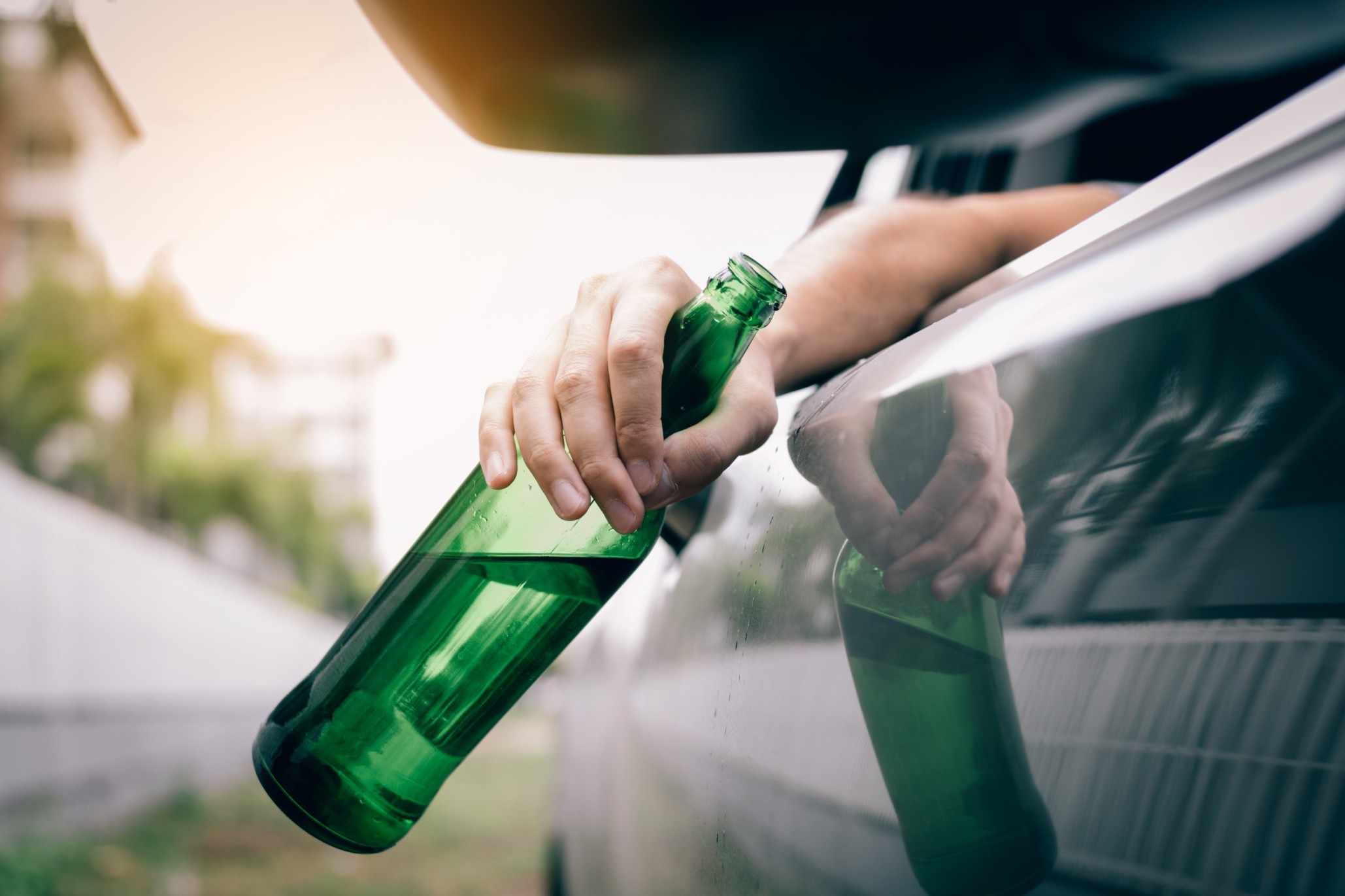
One of the primary causes of road accidents in the United States is operating an automobile while intoxicated. Such accidents occur due to the interference of substances such as alcohol or drugs with an individual’s judgment.
DUI accidents don’t only affect the person who was driving. The victims of such accidents can also include other drivers, pedestrians and other road users.
People need to understand what causes these crashes and what happens after a DUI accident occurs. This helps people stay safe on the road and understand the impact of drunk driving on communities.
What Causes DUI Accidents?
The most prevalent contributing factor for accidents in DUI cases is alcohol. Even a small amount can impede one’s coordination and reaction time. Often, many DUI suspects think they can still control their vehicles, but in most cases, it is false confidence induced by alcohol.
Drugs are also considered in cases of impaired driving. These include illegal substances and certain prescription medications. The presence of alcohol and drugs increases the possible loss of control.
How Does Impaired Driving Change Behavior?
Impaired driving affects the way a person thinks and responds. Drivers often struggle to determine the speed, distance, and traffic flow around their vehicles. Even simple decisions, such as whether to brake and turn, are difficult.
Impaired drivers often change lanes or fail to observe traffic signals. This is because their response time is affected, making it difficult for them to avoid unexpected hazards. Such effects significantly raise the risk of serious accidents.
Poor judgment also leads people to engage in high-risk behavior. It becomes more likely that people will speed, tailgate, or disobey traffic signals.
What Are the Immediate Effects of DUI Accidents?
DUI accidents lead to injuries, damage to property, like cars and phones and can affect people’s lives in the long-term. According to the National Highway Traffic Safety Administration, there are thousands of deaths from impaired driving every year in the United States.
Medical care and recovery could take several weeks or even months. Victims could suffer chronic discomfort. Emotional shock could immediately follow.
Medical expenses, car repairs, and lost wages can add a huge burden on your finances. Health insurance claims can be time-consuming and may lead to increased premiums in the future.
What Legal Consequences Follow DUI Accidents?
Car accidents caused by DUI can result in severe legal repercussions. The driver can be arrested, fined, have their license revoked, or be imprisoned. Additionally, education programs or probation may be mandated by the court.
Injuries or deaths will result in harsher penalties. Previous offenses will result in harsher punishments. A DUI conviction can impact employment, housing, or education opportunities.
The Centers for Disease Control and Prevention state that drunk driving, which results from alcohol-impaired driving, annually costs the United States billions of dollars in medical costs, lost wages, and attorney fees. Fines are levied as a deterrent against offenders and to prevent recurrence.
How Do DUI Accidents Affect Lives Long Term?
The long-term impacts of a DUI accident extend far beyond the actual crash. Victims may face ongoing pain, trauma, or financial hardship, while families experience loss of stability or emotional turmoil.
The drivers involved may bear guilt, increased insurance rates, and fewer job opportunities. Relationships will also be affected, and trust may take some time to rebuild. One decision can change a life forever.
Key Takeaways
When discussing understanding DUI accidents, attention and informed decisions are more crucial than most people can ever imagine. Here are the essential things to remember:
- Accidents involving DUI happen as a result of poor judgment.
- Alcohol and drugs affect the response time and awareness
- Accidents cause injuries, penalties, and costs
- The long-term effects impact individuals, families, and the community.
By staying informed and making the right decisions, we can avoid danger and contribute to making the roads safer.