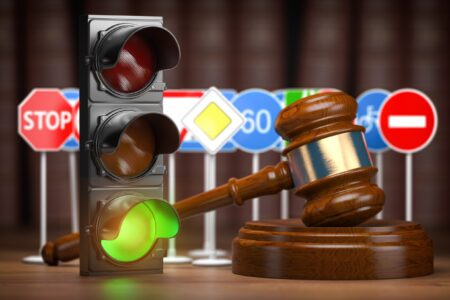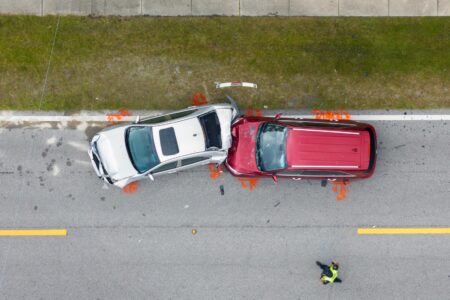

Most people don’t plan to interfere with traffic control. It just kind of happens. A construction zone appears out of nowhere. A detour sign looks wrong, so you drive past it. You nudge a cone blocking your driveway because you’re already running late, and it’s just sitting there. Small calls, made fast, without a second thought.
Then you get charged. And suddenly that split-second decision has a case number attached to it.
This is one of those offenses that genuinely catches people off guard — not because they’re reckless, but because the behavior almost never feels serious while it’s happening. Most drivers have zero idea that Missouri treats this as more than a minor inconvenience until they’re already holding a ticket.
So What Actually Counts as Interference?
More than you’d think — and that’s the part that surprises people most.
Missouri law covers a surprisingly wide range of conduct here. Moving, removing, damaging, or ignoring official traffic control devices — cones, signs, barricades, lane markers, temporary signals — can all fall under this umbrella. Missouri Revised Statutes § 304.234 addresses it specifically, and the language is broad enough to catch situations that most drivers would never identify as a legal problem in the moment.
Here’s what really catches people: you don’t always have to touch anything. Driving conduct that actively circumvents traffic control measures — going around a road closure barrier, ignoring a flagman’s directions, blowing past a detour — can support a charge even without any physical contact with the devices themselves. That surprises almost everyone who hears it for the first time.
The offense sounds bureaucratic and dry. The consequences are neither of those things.
Why Kansas City Specifically Takes This Seriously
Kansas City has been under near-constant construction for years. Highway expansions, bridge work, road resurfacing — the city’s infrastructure projects create shifting traffic patterns that depend entirely on temporary control measures working the way they’re supposed to.
Officers assigned to these zones aren’t just watching speeds. They’re specifically watching for drivers who treat orange cones and detour signs as optional suggestions. And prosecutors lean heavily on the safety argument when these cases go to court — traffic control devices exist because someone mapped out the safest path through a disrupted area. When that gets ignored or moved, other drivers can get redirected into hazardous conditions without any warning. Judges hear that framing and tend to be less forgiving than defendants expect.
What the Charge Actually Means for You
This is where it gets worth paying close attention.
A basic interference violation in Missouri can range from a simple infraction to a misdemeanor, depending on the conduct and whether anything bad resulted from it. If the interference contributed to an accident, property damage, or injury, the charge escalates fast. What looked like a minor moving violation can become something significantly more serious when circumstances pile up.
Points hit your record. Fines add up. Construction zone violations in Missouri carry enhanced penalties on top of standard traffic consequences. And for CDL holders, commercial driving regulations layer on additional exposure that makes the math even harder.
Paying the fine without understanding what you’re admitting to is the most common mistake people make. Once you pay in Missouri, the conviction is locked in. Points land, records update, and insurance companies find out. Some drivers tip into license suspension territory from one conviction they didn’t see coming.
Where a Defense Actually Comes From
Defending one of these charges isn’t about pretending the cones weren’t there. It’s about asking the right questions — and there are more good ones than most people realize.
Were the traffic control devices properly placed according to Missouri standards? Were they legally authorized? Did your specific conduct actually meet the legal definition of interference under the statute? These aren’t loopholes — they’re legitimate legal questions that shape whether the charge holds up. Missouri has specific standards for how temporary traffic control must be set up and maintained. If those standards weren’t met, that creates real grounds to challenge whether a violation even occurred.
A Kansas City traffic ticket lawyer who knows Missouri traffic law can look at those specifics in ways most drivers genuinely can’t on their own. Speeding Ticket KC handles these charges across Kansas City regularly and knows exactly where these cases have room to breathe. Getting that perspective early — before you decide anything — changes what’s realistically available to you.
Questions People Actually Ask About These Charges
1. What specifically qualifies as traffic control interference in Missouri?
Missouri’s statute covers physical tampering — moving, damaging, or removing traffic control devices — and driving conduct that actively circumvents authorized control measures. That includes going around road closure barriers, ignoring flagmen in construction zones, and disregarding properly placed detour signs. The language is intentionally broad, which gives officers significant discretion. That same breadth, though, creates defense opportunities when the specific facts don’t cleanly fit the legal definition. Not every cone avoided and not every detour ignored automatically rises to the level of a legal violation.
2. Can I really be charged without touching anything?
Yes — in certain situations, absolutely. Driving around an authorized barrier, repeatedly ignoring a temporary signal, or circumventing a flagman’s directions can all support a charge without any physical contact with the devices. The legal question is whether your conduct interfered with the purpose of the traffic control measures in place. That’s a factual determination — and one that deserves a close look before you decide how to respond to the charge.
3. Does it matter if the traffic control setup was wrong or not properly placed?
It matters a lot, actually. Missouri has specific standards for how temporary traffic control devices must be placed, marked, and maintained. If the setup didn’t meet those standards — or if the devices weren’t properly authorized — that creates genuine grounds to challenge whether a legal violation occurred at all. This is one of the first things an experienced attorney examines, and it’s exactly the kind of detail that gets missed when drivers handle these charges on their own.
4. How does being in a construction zone change things?
It makes the charge more serious. Construction zones carry enhanced penalties in Missouri for certain violations — higher fines, additional points, and in some cases more aggressive prosecution. If workers were present when the interference happened, or if someone was put at risk because of it, prosecutors push harder. The construction zone element needs to factor into any defense strategy from day one, not as an afterthought.
5. Is getting a lawyer actually worth it for something like this?
For this specific type of charge — yes, more often than people expect. The facts matter enormously here. Device placement standards create real defense opportunities. Paying without looking closely locks in consequences that follow you well past the fine itself. Speeding Ticket KC brings genuine local knowledge of Kansas City courts and Missouri traffic law to every case. A conversation before you make any decisions consistently opens doors that stay closed once you’ve already paid or missed your court date.