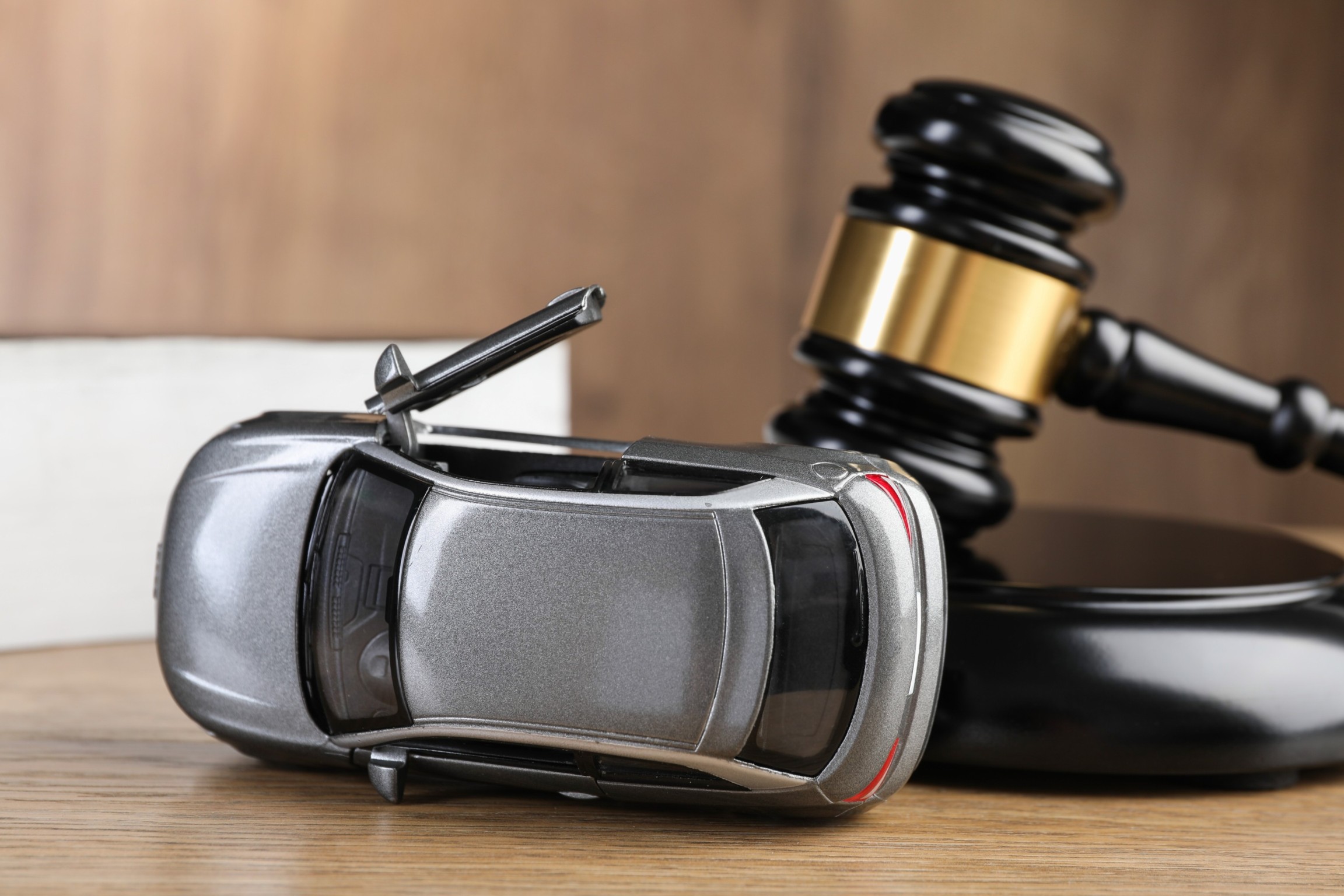
Los Angeles roads can feel unpredictable on even a normal weekday. One moment, traffic is moving slowly through Downtown, and the next, cars are weaving across lanes near the 101 or braking hard on surface streets. After a crash, it is not always clear who caused what. One driver may have been speeding, another may have missed a signal, and someone else may have reacted too late. Los Angeles law allows for this kind of shared responsibility. A person does not always lose the right to seek compensation just because they may have played a small part in the accident. That is why understanding comparative negligence matters after any serious motor vehicle crash in Los Angeles involving drivers, passengers, cyclists, or pedestrians.
The best car accident lawyers in Los Angeles can help explain how fault may be divided when an insurance company starts pointing fingers. Los Angeles follows a rule called pure comparative negligence. In simple terms, an injured person can still recover compensation even if they were partly at fault. The amount may be reduced based on their percentage of responsibility. So, if a claim is worth $100,000 and the injured person is found 25 percent at fault, they may still recover $75,000. That detail is important because many people wrongly assume that any mistake on their part ends the claim.
What Comparative Negligence Means in Los Angeles
Comparative negligence is a way of dividing fault between the people involved in an accident. It does not look at a crash as an all-or-nothing event. Instead, it asks how much each person’s actions contributed to the harm.
Why Shared Fault Comes Up So Often
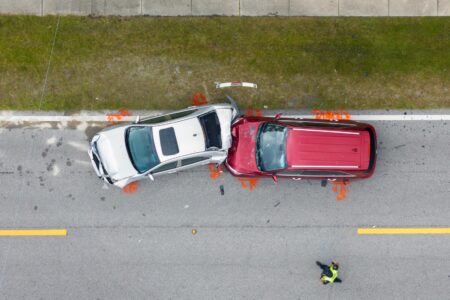
Car accidents rarely happen in a perfectly clean way. A driver may be following too closely, while another driver may stop suddenly. Someone may change lanes without checking properly, while another car may be moving over the speed limit.
Insurance companies often focus on shared fault because it can lower what they have to pay. They may argue that the injured person:
- Was speeding
- Looked at a phone
- Failed to use a turn signal
- Did not brake soon enough
- Was not wearing a seat belt
- Crossed outside a marked crosswalk
- Entered traffic without enough care
Some of these points may be true. Others may be stretched. That is why evidence matters so much.
Evidence That Can Affect Fault
The percentage of fault is not supposed to be a guess. It should come from the facts. In Los Angeles, helpful evidence may come from many places because crashes often happen near businesses, apartment buildings, intersections, and busy roadways.
Important evidence may include police reports, photos of the vehicles, video from dash cameras or nearby buildings, witness statements, traffic signal timing, skid marks, vehicle damage, medical records, cell phone records, or rideshare or delivery app data.
Small details can change the direction of a claim. A dent on the side of a car may show how the vehicles moved. A witness may remember which driver entered the intersection first. A short video clip may show whether someone had time to stop.
How the Rule Affects Compensation
Comparative negligence affects the final amount a person may recover. It does not automatically remove the right to claim damages.
For example, an injured person may seek compensation for:
- Emergency room care
- Follow-up medical treatment
- Physical therapy
- Lost wages
- Reduced ability to work
- Vehicle repairs
- Pain and suffering
- Future medical needs
If the person is found partly at fault, the recovery is reduced by that percentage. This is why the fault number is so important. A small change in percentage can make a big difference in the final result.
Why Early Claim Decisions Matter
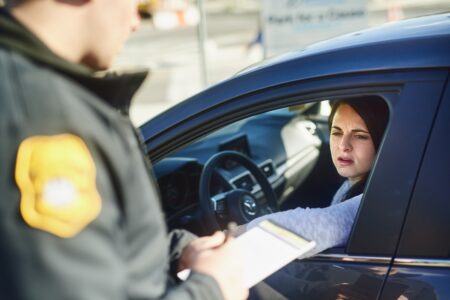
After a crash, many people speak with insurance adjusters before they understand their rights. That can create problems. A simple comment like “I should have seen them” may later be used to suggest a higher fault.
It is better to be careful with early statements. Medical care should also be documented properly. Delays in treatment may give insurers another reason to question the claim. None of this means an injured person should panic. It simply means the first few steps after a crash can affect the case later.
Final Thoughts
Los Angeles’s comparative negligence law gives injured people a fair chance to recover compensation even when fault is shared. It recognizes that real crashes are often messy and that responsibility may fall on more than one person.
Being partly at fault does not mean a case is over. It means the evidence needs to be reviewed carefully. In motor vehicle cases, every detail matters, from the traffic light timing to the way the vehicles landed after impact. A clear understanding of fault can help injured people protect their rights and avoid accepting less than their claim may be worth.