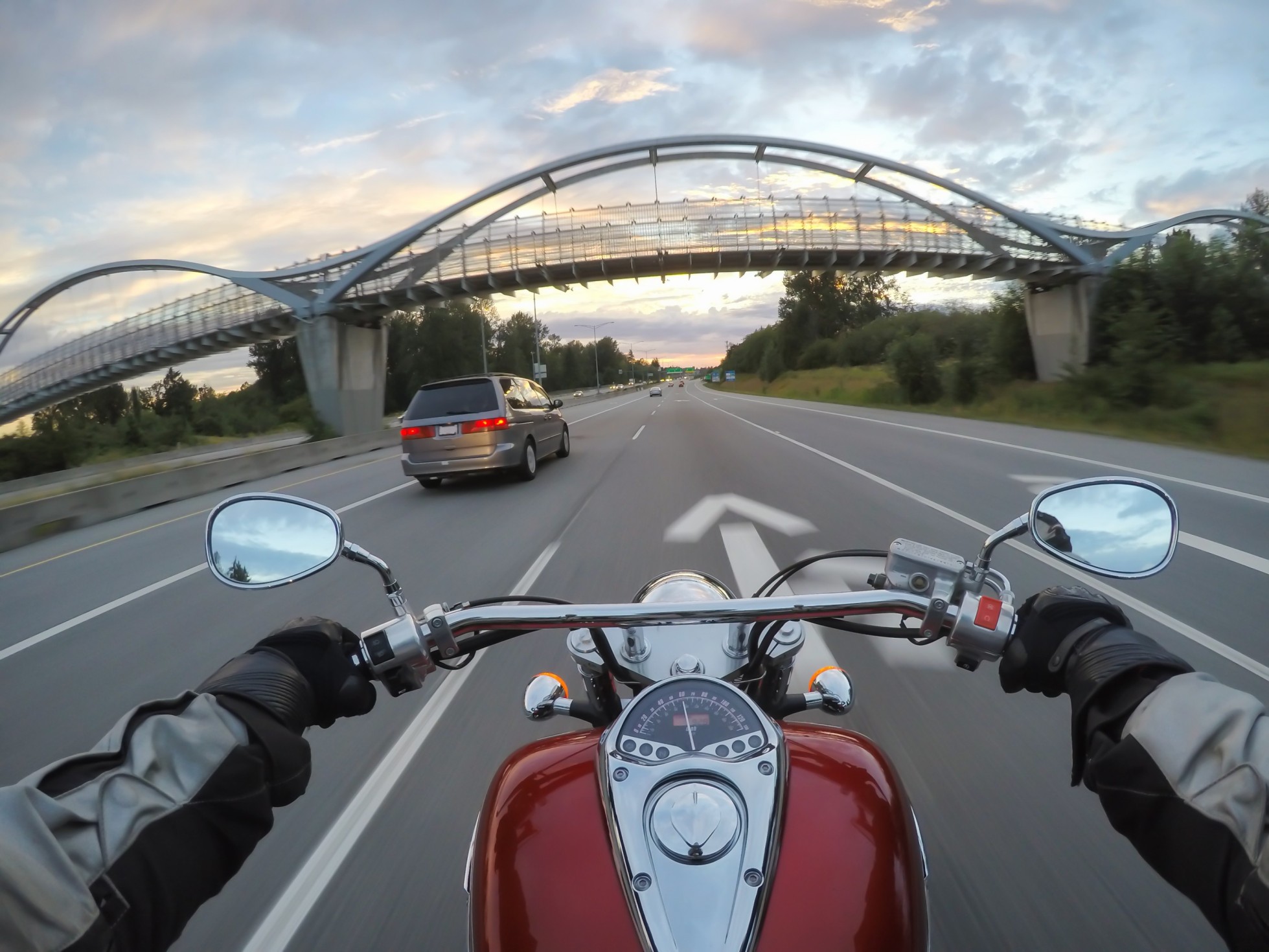
California occupies a unique position as a pioneer in the regulation of motorcycle lane splitting within the United States. While most other states strictly prohibit the practice, this region has recognized it as a formal part of the daily transportation infrastructure and flow.
The ongoing debate between traffic efficiency and roadway safety continues to shape how both riders and motorists perceive this maneuver. Proponents argue that it significantly reduces congestion and protects riders from rear-end collisions, while critics often worry about the potential for sudden, high-speed lateral impacts.
Finding a balance between these perspectives requires a clear set of rules that every traveler can understand and follow. One of the most common questions from visitors and new residents ask “is lane splitting legal in California” under current state vehicle codes.
Defining the Maneuver and Speed Guidelines
Understanding the difference between lane splitting, lane filtering, and lane sharing is essential for every rider on the road. Lane splitting involves moving between rows of stopped or moving vehicles in the same lane. Filtering usually refers to moving through traffic that is stationary.
The California Highway Patrol provides specific speed guidelines to help ensure that these maneuvers are performed as safely as possible. They recommend that riders do not split lanes when traffic is moving at high speeds or when the speed differential is too great.
Maintaining a cautious pace allows the rider to react to sudden lane changes or opening doors from distracted motorists. These safety recommendations are designed to prevent the chaotic movements that lead to crashes. Following these expert tips ensures a much more predictable and secure trip.
Legal Protections and Motorist Responsibilities
California law provides specific legal protections for motorcycle riders who choose to utilize the privilege of lane splitting. It is important for car drivers to understand that they have a responsibility to share the road and not intentionally block or impede a splitting motorcycle.
Intentional blocking is not only dangerous but also illegal under the state vehicle code, as it can lead to severe accidents. Motorists should remain in the center of their lane and avoid making sudden movements when they see a bike approaching from behind.
Respecting the space of the rider helps maintain an orderly flow of traffic for everyone involved in the commute. When every person follows these rules, the risks associated with splitting are significantly reduced. Cooperation is the key to a safer and more efficient roadway.
Risks of Heavy Traffic and Environment
Significant risks are associated with splitting lanes in heavy traffic, especially when operating near large commercial trucks or delivery vans. These massive vehicles have large blind spots that can easily obscure a motorcycle moving between lanes at any speed during the busy workday.
Weather and road surface conditions also play a massive role in the safety of this specific maneuver for riders. Rain or oil buildup can make lane markings slippery, reducing the traction needed for the precise steering required to navigate the narrow gaps between cars.
Riders must also stay alert for uneven pavement or metal grates that can cause a bike to wobble. Assessing the environment before choosing to split is a vital skill for every experienced motorcyclist. Being aware of these external factors prevents many avoidable roadway incidents.
Determining Liability and Legal Standards
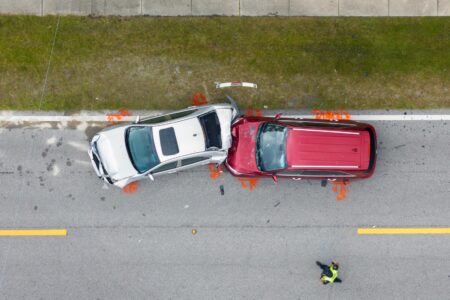
Determining liability in a collision that occurs while a rider is splitting lanes requires a meticulous review of the facts. Adjusters look at the speed of the motorcycle and the behavior of the car driver to see if either party acted with negligence.
The legal standard used in these disputes is whether the behavior was reasonable and prudent given the specific traffic conditions. If a rider was moving too fast for the flow of traffic, they may be found partially at fault for the resulting physical damages.
Having a clear record of the incident through witness statements or camera footage is essential for a fair resolution. These cases often involve complex arguments about right of way and driver awareness. A successful claim depends on proving that all safety guidelines were followed.
Conclusion
The benefits of splitting lanes include a measurable reduction in overall traffic congestion and less heat exposure for riders in stop-and-go traffic. By moving through the gaps, motorcyclists can reach their destinations faster while staying out of the dangerous rear-end collision zone.
However, this privilege should always be used with extreme caution and a high level of professional focus at all times. Riders must stay alert for the unpredictable actions of other drivers and be prepared to stop or swerve in a split second.
Final advice for every traveler is to prioritize safety and mutual respect on the open public roads. Whether you are on two wheels or four, staying informed about the current laws ensures a much smoother and more secure experience for the entire community.