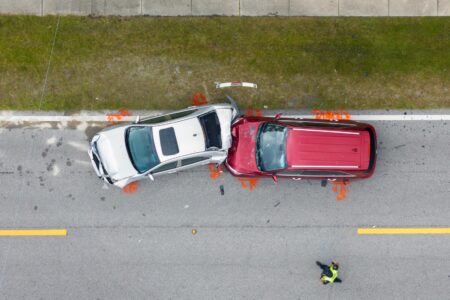
Nobody gets this ticket and thinks they are being dangerous. That’s honestly the strangest part about negligent driving citations. The people receiving them are usually commuters, parents, delivery drivers — regular people who made a small judgment call at exactly the wrong moment. No drag racing, no road rage. Just an ordinary lapse that an officer happened to witness.
And now there’s a citation, a court date, and a lot of questions about what this actually means going forward.
What “Negligent Driving” Actually Means Legally
Missouri doesn’t have one neat statute with “negligent driving” printed across the top. What officers use instead is a set of overlapping laws — careless driving under RSMo § 304.012, inattentive driving provisions, general traffic safety statutes — that together cover situations where a driver failed to exercise the care a reasonable person would.
The legal question boils down to this: Did your driving fall below what a careful, attentive driver would do under the same circumstances? If an officer believes the answer is yes — and that your driving created a hazard, real or potential — a citation follows. No accident required. No injury required. Just conduct that showed a lapse in attention or judgment that put someone at risk.
That’s a deliberately wide net. And it catches more people than you’d think.
The Behavior That Actually Triggers These Citations
Rear-ending someone at a red light because you were looking at your phone — negligent driving. Drifting across a lane line on a familiar stretch of highway because fatigue finally caught up with you — same category. Rolling a residential stop sign, following too close in the rain, pulling into traffic without fully clearing your sight line — all of these have resulted in careless driving citations in Kansas City.
Here’s the thing that makes this charge so common. It covers ordinary behavior. Not extreme behavior — everyday behavior that went slightly wrong at the wrong moment. People are adjusting their GPS in moving traffic, eating behind the wheel, and getting absorbed in a conversation while navigating a tricky turn. These don’t feel reckless from the inside. But when an officer observes the result — a near miss, a sudden brake situation, an actual collision — the citation tends to follow.
Negligent vs. Reckless — The Difference Matters
People lump these together. They shouldn’t.
Reckless driving in Missouri requires willful disregard — you knew the risk and drove that way deliberately. Negligent or careless driving sits below that line. Intent isn’t required. What’s required is a failure to drive with reasonable care. That lower bar is why negligent driving charges are far more common — it’s easier to establish that someone failed to pay adequate attention than to prove they deliberately ignored a known risk.
But a lower bar doesn’t mean lower stakes. Careless driving is still a misdemeanor in Missouri. Still a moving violation with points. Still shows up on your record and can surface on background checks years later when you’re applying for a job or a professional license you’d completely forgotten about.
What This Citation Actually Costs You
Fines run between $100 and $200 before court costs. Two points land on your Missouri license. That sounds manageable until you do the full math.
Missouri suspends licenses at eight points within 18 months. If you’re already carrying points from a prior speeding ticket or other moving violation, two more can push you toward that threshold uncomfortably fast. And insurance companies review your record at renewal — a rate increase holding across two or three policy terms typically costs more than the original fine did. Paying for the ticket feels like a quick exit. The financial tail it leaves behind often isn’t.
If negligent driving caused an accident with injuries, the stakes climb fast. Reckless driving charges, criminal exposure, civil liability — those possibilities open up when someone gets hurt. The jump from routine citation to serious legal problem happens faster than most people expect.
A Missouri traffic ticket lawyer can give you a clear read on what you’re actually facing before you decide anything.
How Speeding Ticket KC Handles These Cases
Speeding Ticket KC is a recognized law firm in Kansas City, Missouri. They handle traffic violations and criminal defense matters — including negligent and careless driving citations — for drivers who want real options rather than just a payment envelope.
Their attorneys go through each case on its own facts. What exactly was cited? What did the officer document? Is there footage or evidence that challenges the account? What realistic outcomes exist — dismissal, reduction, or a negotiated result that limits damage to your record? No templates. Each case gets its own honest read.
Questions People Actually Ask
Is negligent driving a criminal offense in Missouri?
Yes — misdemeanor level in most cases. Not a felony, but not just a parking ticket either. A conviction stays on your record unless expunged, and that surfaces on background checks in ways people don’t anticipate until it actually happens. If serious injury resulted from the driving, charges can escalate well beyond misdemeanor territory. Paying the fine and moving on isn’t always as clean as it feels at the moment.
What defenses actually work?
The strongest ones challenge the officer’s interpretation directly. Dashcam footage showing reasonable driving for the conditions. Weather or road factors that explain the behavior. Witness accounts contradict the report. A medical event that caused a momentary lapse. Procedural issues in how the citation was issued. A lawyer identifies which applies to your situation and builds from there.
Can the charge be reduced instead of dismissed?
Yes — and reduction is often the realistic goal. Getting it reduced to a non-moving violation removes the points entirely, which changes your insurance situation and protects your license total. Not as satisfying as dismissal, but frequently the most valuable outcome based on what the evidence actually shows.
Will my insurance go up over this?
Often yes. Moving violations give insurers grounds to reassess your risk at renewal. A rate increase compounding over two or three years tends to cost more than the fine itself. That math is worth doing before deciding that paying the ticket is cheaper than fighting it.
What should I do right after getting cited?
Don’t pay automatically — that’s a legal admission. Write everything down while details are fresh: road conditions, what you were doing, what the officer said, and any witnesses nearby. Save dashcam footage before it overwrites. Then contact a lawyer before your court date. Options shrink as deadlines approach, and knowing what’s available early gives you room to make a smart call.