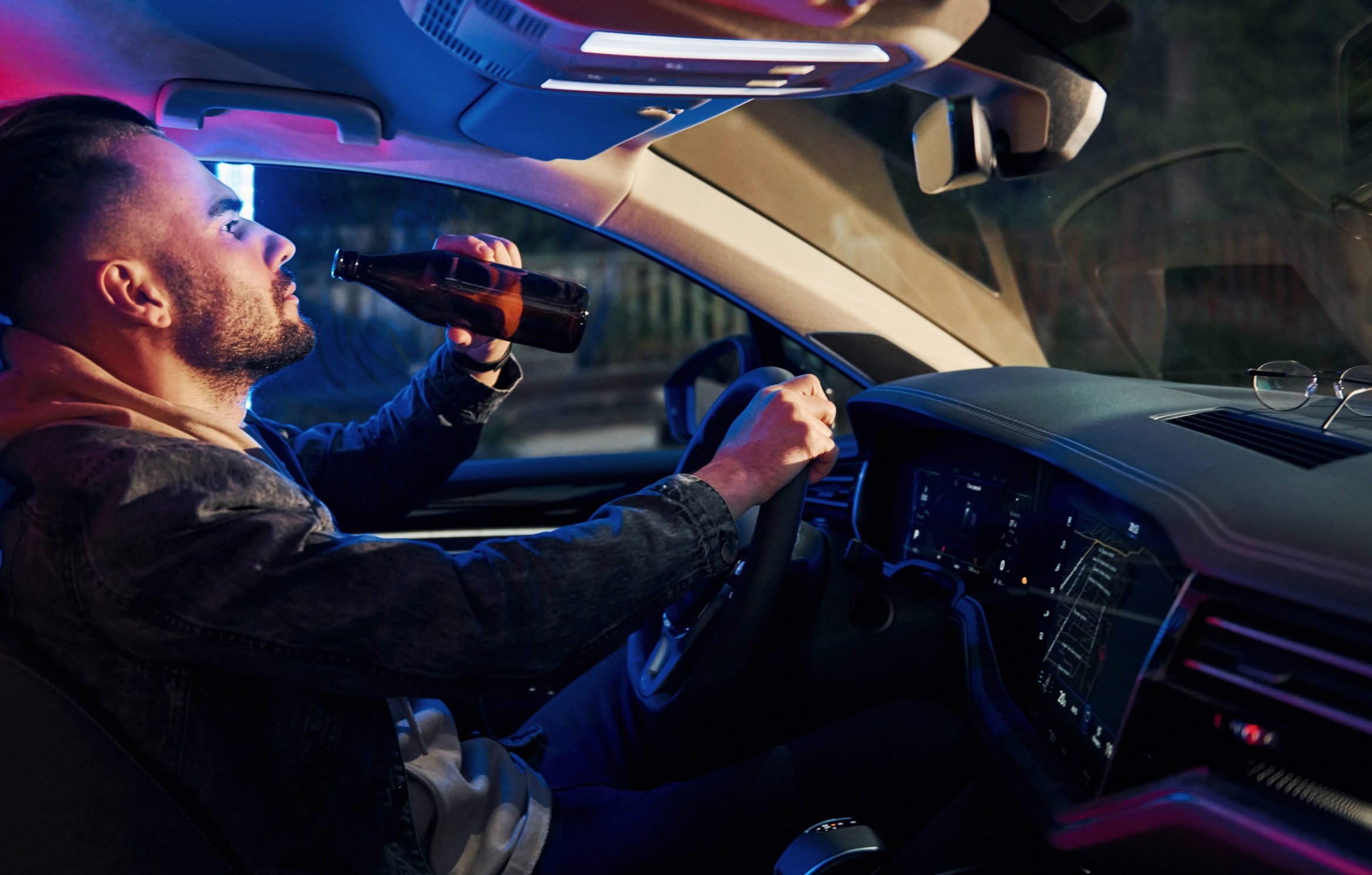
A drunk driving crash does not always present a question of fault. Alcohol may explain unsafe choices, but responsibility depends on how those choices led to the collision. A claim may involve more than showing that a driver had been drinking. It may require a clear connection between impairment, driving conduct, and the harm that followed. A drunk driving accident lawyer may examine these details to determine how responsibility should be addressed.
That process can involve several parts of the crash, from the driver’s behavior before the collision to actions by others who may have contributed. Looking at the sequence can provide a clearer picture than focusing on one fact. It can also separate assumptions from details that support a claim.
Was Alcohol Actually a Factor in the Crash?
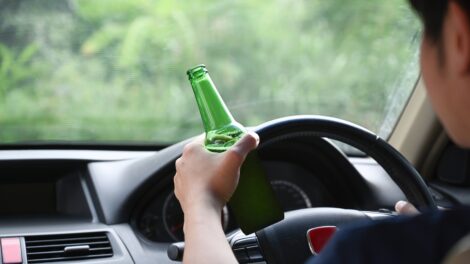
A driver can be legally intoxicated, but that fact alone does not describe everything that happened on the road. A closer look may be needed to determine whether alcohol impairment affected the driver’s ability to drive safely.
Certain driving patterns may raise important questions, including:
- Drifting across lanes or leaving the roadway
- Failing to respond to traffic signals
- Driving at an unsafe speed
- Making sudden or poorly controlled turns
- Failing to react to another vehicle or pedestrian
Police observations, sobriety testing, statements, and other information may help show whether impairment played a role. The goal is to connect the driver’s condition with the conduct that contributed to the collision.
What Happened Before the Vehicles Collided?
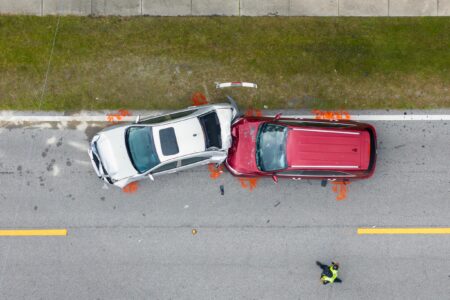
Responsibility often becomes clearer by looking at the sequence of events leading up to the impact. A collision rarely happens because of one isolated detail. The position and movement of each vehicle can show how the crash developed.
Important questions may include:
- Which driver had the right of way?
- Was a traffic rule ignored?
- Did either vehicle change lanes?
- Was a driver following too closely?
- Did a driver have enough time to react?
These details can matter even in a crash involving an intoxicated driver. For example, alcohol may have affected a driver’s reaction time, but the specific maneuver that caused the collision still needs to be identified. A careful review can help explain how the unsafe conduct translated into an actual crash.
Could Another Person Share Responsibility?
A drunk driving case does not always end with the intoxicated driver’s conduct. Depending on the circumstances and the law that applies, another person’s actions may also deserve attention.
Potential issues may include:
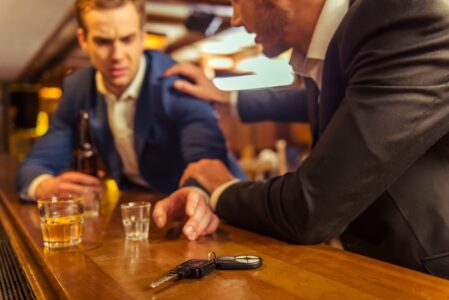
- Whether someone allowed an impaired person to use a vehicle
- Whether another motorist created a situation that contributed to the collision
- Whether a person took actions that helped an impaired driver continue driving
This does not mean another person is automatically liable. Legal responsibility depends on the facts and the rules that apply to the particular situation. The important point is to avoid assuming that the answer is obvious before the circumstances have been examined.
How Do the Facts Fit Together?
Individual facts can have more meaning when viewed as part of the same timeline. A police report may describe the collision, while witness accounts can add details about what drivers were doing beforehand. Video footage may provide another view of the roadway and vehicle movements.
Other information may also help fill gaps, such as:
- Breath or blood test results
- Traffic or surveillance video
- Statements made after the crash
- Vehicle positions and collision patterns
- Records from the accident investigation
No single item necessarily tells the entire story. Comparing different sources can help reveal whether they support the same explanation of how the collision occurred. This broader review may be especially important if the drivers give different accounts of what happened.
A drunk driving accident lawyer can also review how the available facts relate to the legal issues involved in the claim, rather than treating alcohol use as the only factor.
How Does the Crash Connect to the Harm?
Determining who contributed to a collision is one part of a claim. The resulting harm must also be connected to the crash. Injuries may range from short-term problems to conditions that require long-term treatment or affect a person’s ability to work.
The nature of the losses can include:
- Emergency and ongoing medical care
- Lost income during recovery
- Future treatment or rehabilitation
- Damage to personal property
- Physical pain and daily limitations
Keeping these issues separate can make the claim easier to understand. Responsibility addresses who may be legally accountable for the crash, while damages address what the injured person experienced because of it.
A Clearer View of Responsibility
Responsibility after a drunk driving accident is usually shaped by the full chain of events, not simply by proof that alcohol was involved. The driver’s conduct, the connection between impairment and the crash, the actions of other people, and the resulting harm may all matter.
For someone dealing with injuries after such a collision, reviewing these details can help clarify what questions need answers. A careful look at the circumstances can also prevent important facts from being overlooked. This approach can be especially useful in cases where different accounts leave uncertainty about what truly caused the collision itself.
If you or a family member has been injured in a drunk driving crash, consider consulting with an attorney about the facts of the collision and the losses involved. Getting advice based on the specific circumstances can help you understand what options may be available and what steps may make sense next.