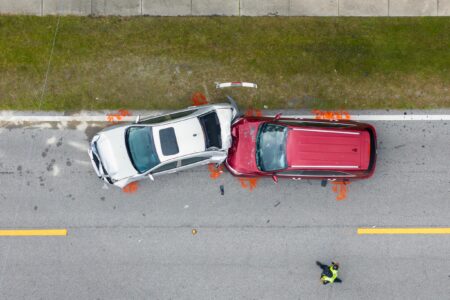
A single insurance decision can shape the entire recovery process after a serious crash caused by impaired driving. Insurance companies often review every detail before accepting responsibility, and small issues in a claim can create delays or disagreements. Victims dealing with DUI accident injury claims may face challenges related to coverage limits, policy rules, and disputes over fault.
A proper understanding of these insurance concerns can help injured individuals make informed choices and protect their rights. Each case depends on its facts, but knowing what problems may arise can make the claim process clearer and less stressful for accident victims seeking fair compensation.
1. Disputes Over Fault and Responsibility
Insurance companies usually investigate who caused the accident before deciding how much compensation may be available. A DUI charge can strongly suggest negligent behavior, but insurers may still examine accident reports, witness statements, and other evidence before accepting liability.
Disputes may happen if the insurance company questions the driver’s actions or argues that other factors contributed to the crash. Clear documentation, including police records, medical reports, and photographs, can help establish what happened and support the victim’s position.
2. Policy Coverage Limitations
Every insurance policy has limits that determine how much money may be paid after an accident. A driver who caused a DUI crash may have coverage that does not fully address the victim’s medical expenses, lost income, and other damages.
Some victims discover that available insurance benefits are lower than the cost of their recovery. Reviewing the policy details carefully can help identify whether additional coverage options may apply.
Important coverage factors may include:
- Liability limits listed in the policy
- Available medical payment benefits
- Additional insurance policies connected to the vehicle
- Possible coverage from other responsible parties
3. Insurance Company Delays
Insurance providers may take time to investigate a claim, especially if the accident involves serious injuries or criminal charges. Delays can happen because companies want to review evidence, confirm liability, or evaluate the full value of the damages.
Long waiting periods can create financial pressure for injured victims who need medical treatment and other support. Keeping records of communication and submitting complete documentation can help prevent unnecessary delays during the process.
4. Challenges With Settlement Offers
An early settlement offer may not always reflect the full impact of an accident. Insurance companies often consider immediate expenses, but some injuries may require long-term care, additional treatment, or future financial support.
Victims should carefully review any offer before accepting it. A settlement that seems helpful at first may not cover future losses connected to the crash. Legal guidance can help evaluate whether the amount offered matches the actual damages.
5. Problems With Evidence Collection
Strong evidence plays an important role in proving the connection between the accident and the injuries suffered. Missing records or incomplete information can make it harder to support a claim.
Useful evidence may include:
- Police reports showing details of the crash
- Medical records explaining injuries and treatment
- Photos or videos from the accident scene
- Witness statements
- Employment records showing lost wages
Attorneys handling these cases often focus on gathering and organizing evidence to address questions raised by insurance companies.
6. Questions About Comparative Fault
Insurance disputes may also involve arguments that the injured person contributed to the accident. Even if another driver was impaired, insurers may attempt to reduce their payment by claiming the victim shares some responsibility.
Rules related to shared fault vary by state, and the impact depends on the circumstances of each case. Reviewing the available facts can help determine how these arguments may affect compensation.
7. Criminal Charges and Insurance Decisions
A DUI charge and an injury claim involve separate legal processes, but they can influence each other. Criminal proceedings may provide important information about the driver’s actions, while the insurance claim focuses on financial responsibility for damages.
The outcome of a criminal case does not automatically guarantee a successful insurance settlement. Additional evidence is often needed to show the extent of injuries, expenses, and losses caused by the crash.
Protecting Your Rights After an Insurance Dispute
Victims should avoid making rushed decisions after receiving communication from insurance companies. Understanding policy details, keeping records, and seeking professional advice can help protect their interests.
Experienced legal professionals can review accident information, identify insurance concerns, and explain available options. They can also help address unfair settlement practices or disputes that may prevent victims from receiving appropriate compensation.
Getting Support for a Stronger Claim
Insurance challenges can make recovery more difficult after a crash caused by impaired driving. Reviewing coverage issues, collecting reliable evidence, and responding carefully to insurer decisions are important steps for protecting financial recovery. Skilled professionals handling DUI accident injury claims can help victims navigate complex insurance matters and pursue compensation that reflects their losses. If you or a loved one is facing difficulties after such an accident, consulting a qualified attorney can provide guidance and help you understand the next steps.