Most drivers think they understand pedestrian right of way. You see someone crossing, you slow down, you let them go. Simple enough — until you’re actually behind the wheel in a busy downtown intersection, trying to turn right while watching for cars, and a pedestrian steps off the curb in your peripheral vision at the exact moment you’re not looking for them.
That’s where the gap between general understanding and actual legal requirement shows up. Missouri’s pedestrian laws are more specific and more demanding than the basic “yield when you see someone” approach most drivers carry around. And Kansas City’s mix of downtown crossings, school zones, hospital corridors, and busy commercial streets creates constant situations where that gap becomes a real legal problem.
The Basics Most Drivers Get Wrong
Let me explain where the confusion usually starts.
Missouri law requires drivers to yield to pedestrians in marked crosswalks — and that includes mid-block crosswalks, which a lot of drivers don’t even recognize as legally protected crossing points. The obligation isn’t limited to pedestrians directly in your path either. If someone’s in your half of the roadway, or close enough that continuing forward would force them to react, you’re required to yield. That’s a wider net than most people realize while they’re driving.
Here’s the thing — passing a car that’s already stopped for a pedestrian is its own separate violation. That vehicle stopped because someone was crossing. Pulling around it puts you directly into a situation the other driver was trying to avoid. It happens more than you’d think, especially in commercial areas where one driver stops for a pedestrian and the driver behind them, not seeing the pedestrian yet, tries to go around.
Where These Situations Actually Happen
Right turns on red are a big one. You’re checking for oncoming traffic, judging your gap, and the pedestrian legally crossing in your turning path doesn’t register until you’re already moving. Completing that turn while someone’s in the crosswalk is a violation no matter what the signal was doing.
Crowded intersections create their own version of this. Near the Plaza, downtown during lunch hour, anywhere foot traffic is heavy — a pedestrian stepping out from behind a parked car or a delivery truck isn’t always visible until they’re already partway into the street. By the time you see them, the question becomes whether your continued movement forces them to adjust. If it does, that’s the violation, whether or not anything close to contact happens.
School zones and hospital corridors deserve extra attention too. Kids moving unpredictably, slower-moving pedestrians near medical facilities — these areas get more enforcement attention because the stakes are genuinely higher.
What Happens When It Goes Wrong
A citation without any contact is serious enough on its own — points, fines, the kind of moving violation that follows you for a few years on your insurance. But when a pedestrian is actually involved in an accident, the legal picture changes entirely.
Depending on what happened and how severe the injury was, you could be looking at criminal traffic charges on top of the citation. There’s also a real chance of civil liability — the pedestrian or their family pursuing a separate claim that doesn’t depend on what happens with the traffic case. And insurance gets complicated fast, especially if injuries are involved and medical costs start piling up beyond what a standard policy easily covers.
This isn’t meant to scare anyone who got a routine citation without incident. It’s meant to be honest about how differently these cases get treated depending on the actual outcome.
Getting the Right Help Early
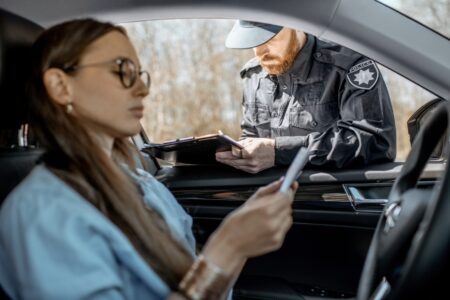
If you’re facing a pedestrian-related citation — with or without an accident attached — the first move matters more than people expect. Evidence fades fast. Witness memory gets less reliable by the day. The story that gets documented first tends to become the story everyone references later, even if it’s incomplete.
A Missouri traffic ticket lawyer who’s handled these situations before knows how to look at the full picture — not just the citation itself, but how it connects to insurance and, if it applies, any civil exposure. Speeding Ticket KC works with Kansas City drivers navigating exactly this kind of situation, and getting that kind of guidance early on tends to make a real difference in how things ultimately play out.