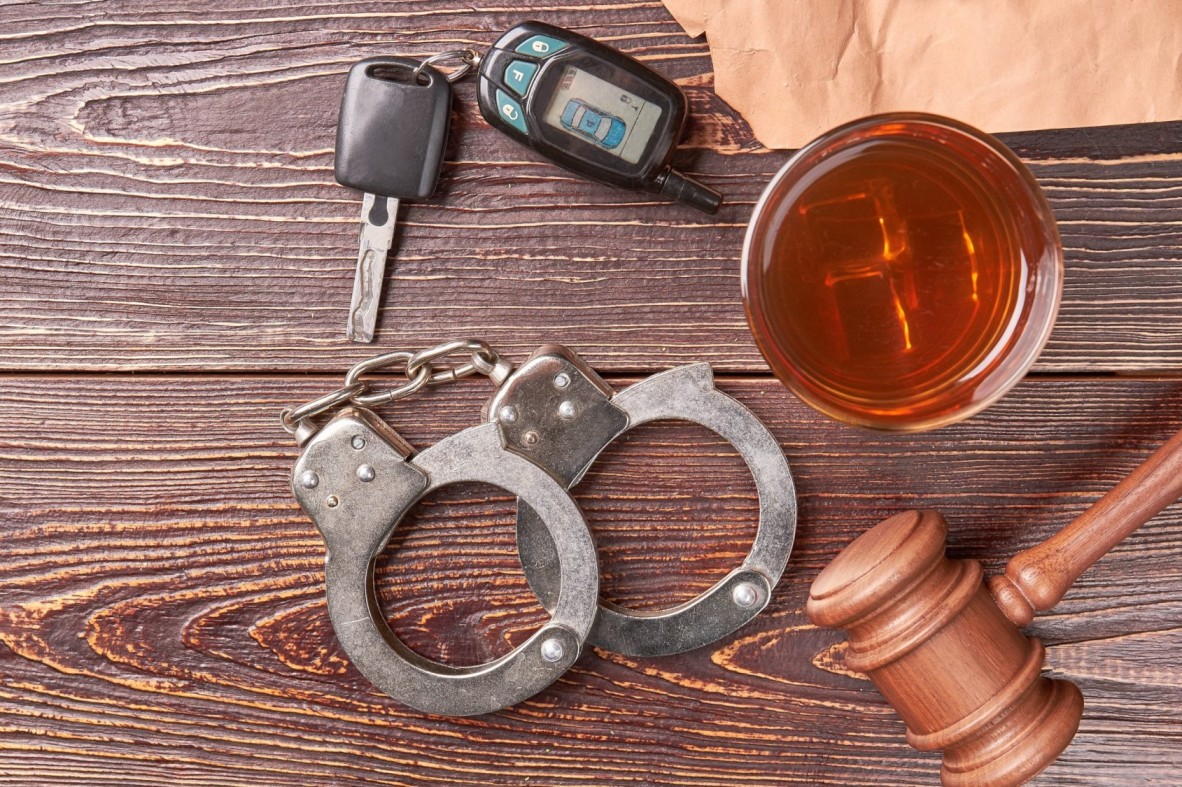
The arrest is confusing in a way that is hard to describe until you have gone through it. One minute you’re driving, the next you’re in a sequence of events that happened faster than you could really follow. By the time you’re sitting there trying to make sense of it all, decisions are already being made about what happens next.
Most people’s first instinct is to wait. See how things develop. Figure it out when the court date shows up. That instinct consistently costs more than acting early would have, and understanding why starts with understanding what actually happens after a Kansas City DWI charge and how quickly the process moves.
Two Processes Start Immediately, Not Just One
This is the part that catches people off guard most consistently.
A DWI arrest in Missouri triggers a criminal case and an administrative license revocation process at the same moment. Most people think about the criminal case. It’s the one that shows up in court, involves charges and pleas, and ultimately produces a conviction or dismissal. That’s the process most people focus on when they start thinking about what they’re facing.
The administrative revocation operates completely separately. Missouri law gives drivers fifteen days from the arrest date to request a hearing contesting the revocation. If that request doesn’t get filed within fifteen days, the revocation takes effect automatically. It doesn’t matter what happens in criminal court after that point. A driver who eventually wins the criminal case entirely can still lose their license for ninety days to a year if the administrative hearing request was never made.
This is why waiting produces worse outcomes. The clock on one of the two processes doesn’t pause while someone figures out what to do.
The Criminal Case and What It Actually Involves
Missouri Revised Statutes Section 577.010 is where the DWI charge lives. A first-offense DWI is a Class B misdemeanor. Potential jail time up to six months, fines, probation, mandatory substance abuse traffic offender program participation, and a ninety-day license suspension on conviction. The sentence itself varies based on the specific facts, the judge, and what the defense was able to accomplish through the process.
A second offense within five years escalates significantly. A third or subsequent offense can be charged as a Class D felony. The prior offense lookback period under Missouri law shapes how subsequent charges get classified and sentenced, which is why prior history matters so much to how a new DWI case gets evaluated.
The criminal conviction also sits on the record permanently. Background checks access it. Insurance companies access it. Professional licensing authorities access it for jobs that require licensure. The immediate criminal consequences are significant, but the record consequences extend well beyond them.
What the Evidence in These Cases Actually Looks Like
Understanding what the prosecution is working with matters for understanding what the defense can do with it.
The officer’s documented observations from the stop form the foundation of the behavioral impairment evidence. Driving pattern. Demeanor at the window. Performance on field sobriety tests. Speech and coordination. Each element gets documented in the report that becomes the prosecution’s primary evidence alongside any chemical test result.
Field sobriety tests have real limitations. Environmental conditions, physical factors, nervousness, medication effects, and inconsistencies in how the tests were administered can all affect results in ways that create legitimate questions about what they actually establish. An attorney who reviews the specific test conditions and administration can identify issues that aren’t visible from the face of the report.
Chemical testing produces the BAC measurement that either meets or doesn’t meet Missouri’s per se threshold of .08%. Breathalyzer calibration records, maintenance logs, and operator certification are all documentable and can be requested and reviewed. Blood test chain of custody and laboratory procedures create their own examination points. These aren’t invented defenses. They’re factual inquiries into the reliability of specific measurements.
Why Early Legal Involvement Changes What’s Possible
A Missouri traffic ticket lawyer who handles DWI cases in Kansas City knows that the first fifteen days after arrest are the most consequential in the entire process.
The administrative hearing request preserves license options that disappear without it. Evidence from the stop is most accessible immediately after the arrest. The officer’s specific recollection is clearest close to the incident. Dashcam and body camera footage needs to be requested before it may be overwritten. Breathalyzer calibration records relevant to the specific device used need to be obtained.
Speeding Ticket KC works with Kansas City drivers from the immediate aftermath of DWI arrests through final resolution. Both the criminal case and the administrative revocation track get addressed simultaneously rather than sequentially, because the two processes don’t wait for each other and the decisions made about each one affect the other.
Questions: Drivers Ask After a DWI Charge in Kansas City
1. What is the fifteen-day deadline, and what happens if I miss it?
Within fifteen days of a DWI arrest in Missouri, drivers can request an administrative hearing to contest the license revocation. Filing the request stays the revocation while the hearing is pending. Missing the deadline results in automatic revocation: ninety days for a first offense test failure, one year for a first refusal. Missing it doesn’t affect the criminal case, but it eliminates options for the license that don’t come back. This deadline is the reason early legal contact matters so much.
2. What’s the difference between what happens in criminal court and the license revocation?
They’re separate processes that run in parallel. The criminal case goes through Missouri’s court system and determines whether a conviction, plea, or dismissal occurs. The administrative license revocation is an executive branch process handled through Missouri’s Department of Revenue. Winning the criminal case doesn’t automatically restore license rights if the administrative process ran its course uncontested. Both need to be addressed from the beginning.
3. Can field sobriety test results be challenged in Missouri?
Yes, and this is a productive area of examination in many DWI cases. Standardized field sobriety tests have specific administration requirements. Environmental conditions, physical limitations, medication effects on balance or coordination, and inconsistencies in how the officer conducted the tests can all affect what the results actually show. An attorney who reviews the specific conditions and administration of the tests can identify whether the documented results accurately reflect what they’re being used to establish.
4. Does refusing the breathalyzer help my criminal case?
Refusal has its own consequences under Missouri’s implied consent law, including an automatic one-year license revocation for a first refusal. It also doesn’t prevent a DWI charge. The prosecution can build a case on behavioral evidence, field sobriety results, and driving pattern without a chemical test result. In some cases, refusal can be argued as evidence of consciousness of guilt. Whether to submit to chemical testing involves case-specific considerations that vary significantly, which is why understanding those considerations before the decision has to be made matters.
5. How quickly should I contact a lawyer after a DWI arrest in Kansas City?
As early as possible. The fifteen-day administrative deadline makes this genuinely urgent in a way that criminal cases alone don’t convey. Evidence preservation, witness memory, dashcam and body camera footage access, and legal positioning all benefit from early involvement in ways that consistently produce better outcomes across both legal tracks. Speeding Ticket KC works with Kansas City drivers from immediately after DWI arrests through final resolution, and early involvement consistently produces the broadest available range of options.