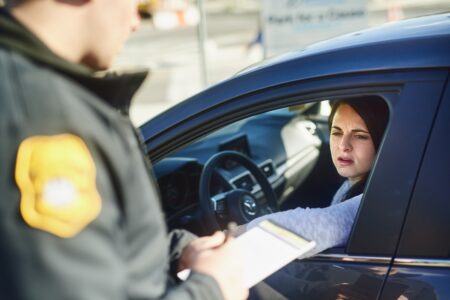

Most people facing this charge weren’t planning anything. It started somewhere smaller — a traffic stop that got tense, frustration that came out wrong, a moment where someone felt treated unfairly and reacted before thinking it through. Maybe they stepped forward when they should have stayed back. Maybe words came out sharper than intended. Maybe a gesture got completely misread.
And now there’s a charge sitting on paper. A real one. With real consequences attached to it.
That’s what catches people off guard. Because in the moment, it felt like an argument — a misunderstanding that would get sorted out. But interfering with an officer in Missouri isn’t a misunderstanding you explain your way out of at the station. It’s a criminal charge. And it needs to be treated like one from the very start.
What the Law Says — And Where It Gets Applied Too Broadly
Missouri Revised Statutes § 575.150 defines this offense as knowingly resisting or interfering with a lawful arrest, detention, or stop. Two words in that definition carry more legal weight than most people notice — “knowingly” and “lawful.”
Knowingly means the conduct has to be intentional. Not a reflex. Not confusion. Not someone moving in a direction that accidentally created friction. Deliberate interference — that’s what the statute requires. And lawful means the stop itself had to be legally justified. If it wasn’t, the charge built on top of it loses its entire foundation.
The statute was written for situations like physically resisting arrest, pulling away mid-detention, or actively blocking an officer from reaching someone they’re detaining. It wasn’t designed for someone recording on their phone from a distance, asking what they’re being stopped for, or expressing disagreement verbally. Those situations sometimes generate this charge anyway — and that gap between the law’s intent and its application is exactly where a real defense lives.
“Just a Misdemeanor” Is the Wrong Way to Think About This
People hear Class A misdemeanor and sometimes exhale a little. Not a felony. How serious can it be?
Genuinely serious. Up to a year in jail. Fines up to $2,000. And a criminal record — not points on a driving record, not an insurance bump — an actual criminal conviction that follows you on background checks. Job applications. Apartment applications. Professional licensing renewals. Security clearances. A single conviction from a tense moment at a traffic stop can close doors that take years to reopen.
If physical force was involved, or if the interference happened during a felony stop, the charge can climb into felony territory with significantly more severe consequences. Understanding exactly what classification you’re facing — and what it means long-term — is the first thing worth getting clear on.
What the Prosecution Actually Has to Prove
This is where defense starts taking shape — because prosecutors don’t just need to show something happened. They need to prove specific elements beyond reasonable doubt.
Was the original stop lawful? That question alone can collapse the entire case if the answer is no. Was the defendant’s conduct genuinely intentional — or was it ambiguous, reactive, explainable as something other than deliberate interference? Did it actually obstruct something, or did it just create friction? Each element is a place where the evidence can fall short of what the law requires.
Body camera footage matters enormously here. So do witness accounts, dashcam video, and the physical circumstances of the scene. When what the camera shows doesn’t match what the report describes, that gap creates the kind of reasonable doubt that changes outcomes in real ways.
The Window That Closes Faster Than People Realize
Getting legal help early isn’t just good advice. It’s the difference between having real options and finding out those options have already expired.
Body camera footage has retention windows — miss them and the video is simply gone. Witnesses remember things clearly right after an incident and less clearly weeks later. Prosecutors build their case from day one whether you’re ready or not. Every day spent deciding whether to call an attorney is a day the other side spends getting more organized while you don’t.
A Kansas City traffic ticket lawyer who handles these cases knows this timeline from the inside. Speeding Ticket KC works with Kansas City clients on charges that come out of traffic stops and escalate in ways nobody anticipated. They know how local prosecutors approach these cases, what local judges expect, and where these charges are most vulnerable. Getting that perspective before anything gets locked in — before court dates are set, before plea offers close — is where the most important work happens.
Questions People Ask When This Happens
1. Is this a criminal charge or a traffic violation?
Criminal — a Class A misdemeanor under Missouri law. That distinction matters more than people initially realize. A traffic violation touches your driving record and insurance. A criminal conviction creates a permanent record that surfaces on background checks for employment, housing, and professional licensing. Treating this like a traffic ticket — paying it and moving on — is one of the most damaging mistakes people make in the first days after the charge lands.
2. What if I never physically touched the officer?
Physical contact isn’t required. Missouri’s statute covers conduct that knowingly obstructs lawful police activity — including verbal refusal of repeated commands, fleeing a lawful stop, or actions preventing an officer from completing a detention. That said, non-physical conduct raises complex questions about intent and context that are worth examining carefully. Those questions often determine whether the charge survives scrutiny or falls apart under it.
3. Can the charge be dismissed if the original stop was unlawful?
Yes — and this is one of the most powerful defense angles available. Missouri law requires the underlying stop to be lawful. No lawful stop means no valid foundation for the interference charge. This analysis happens early in every properly handled case and sometimes resolves the situation entirely before it goes further. It’s not a long shot — it’s a threshold legal question that has to be answered before anything else gets built.
4. How important is video evidence?
Often decisive. Body cameras, dashcams, bystander footage — all of it can capture what the officer’s written report either misses or describes differently. When video contradicts the narrative, that creates concrete, direct, reasonable doubt. Securing footage before retention windows expire is one of the first things an attorney does after taking on one of these cases. Waiting even a few weeks can mean the video no longer exists.
5. Should I explain my side to the police before talking to a lawyer?
No — and this is worth saying plainly. People believe explaining what happened will clear things up. It almost never does and frequently creates evidence problems that wouldn’t exist otherwise. Everything said to investigators after the charge can be used in building the case against you. The right place to tell your story is in a controlled legal setting with an attorney present. Call Speeding Ticket KC before saying anything else to anyone involved.