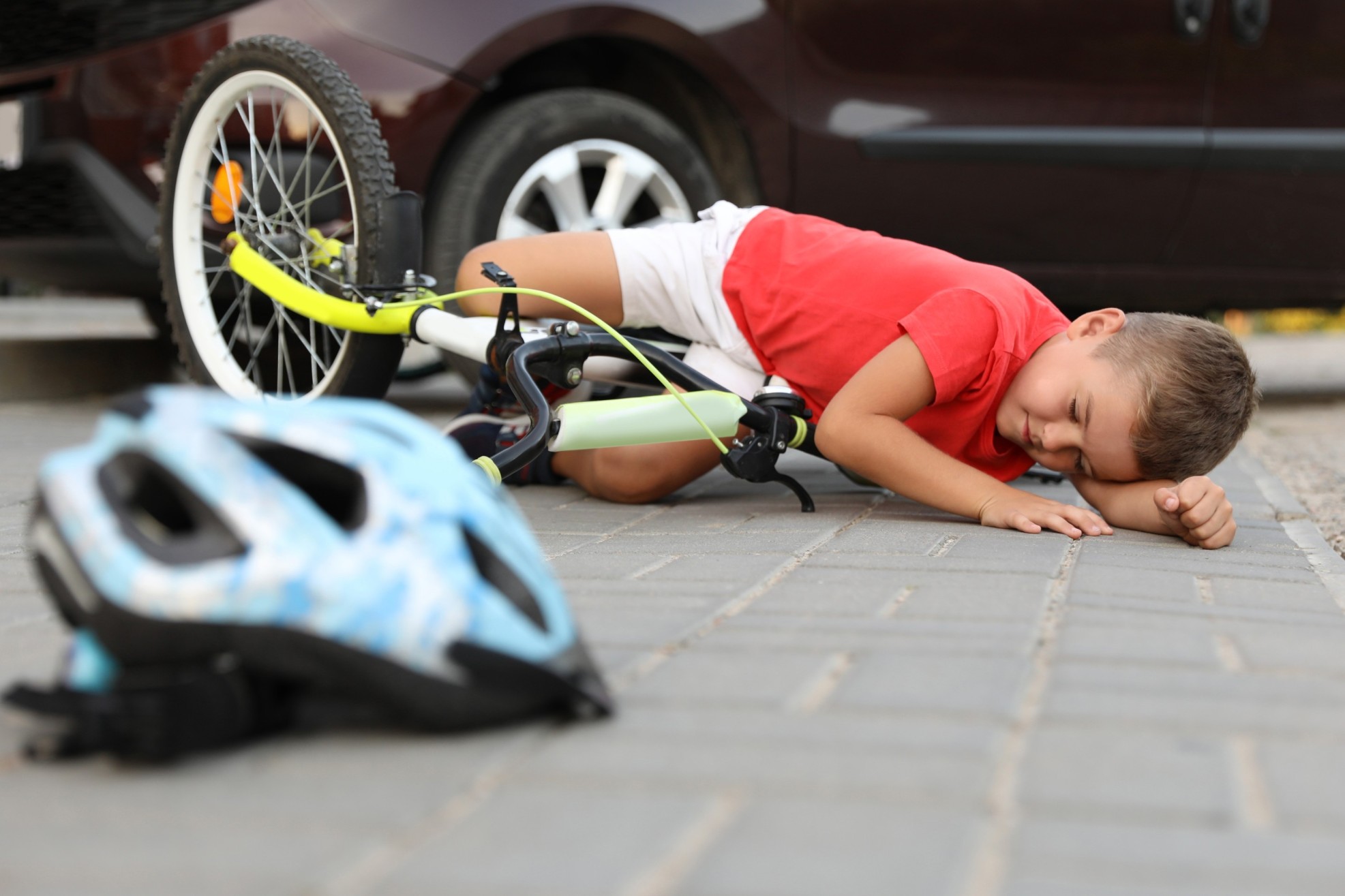
Accidents involving children and vehicles can be stressful, confusing, and emotionally charged. If a kid rides a bicycle into your car and causes damage, the situation is not just about repairing dents or scratches—it also involves understanding legal responsibility, insurance coverage, and how liability is typically handled when minors are involved.
The key point is this: a bicycle is legally considered a vehicle in most traffic systems, and cyclists—regardless of age—are expected to follow road rules. However, when the cyclist is a child, liability and compensation often shift toward the parents or guardians.
First Priority: Check Safety and Stay Calm
Before thinking about insurance or fault, the most important step is to ensure that the child is safe.
Even low-speed bicycle collisions can result in injuries such as:
- Scrapes and bruises
- Head injuries
- Wrist or arm fractures from falling
If the child appears injured, call emergency services immediately. Avoid moving them unless there is an immediate danger, and stay calm to avoid escalating the situation.
Once safety is confirmed, you can move on to documenting the incident.
Step 1: Assess and Document the Scene
After any bicycle-car collision, documentation is essential. This is especially important when a minor is involved, as memories can be unclear and accounts may differ later.
You should:
- Take clear photos of vehicle damage
- Photograph the bicycle and its position
- Capture the surrounding environment (intersection, driveway, sidewalk, etc.)
- Note the time, date, and weather conditions
If there are witnesses nearby, politely ask for their contact information. Independent witness statements can be extremely helpful if liability is disputed later.
Step 2: Get the Child’s Parent or Guardian Information
Because the rider is a child, they typically cannot be held personally responsible in a financial sense. Instead, liability usually transfers to the parents or legal guardians.
You should try to collect:
- Parent or guardian name
- Phone number and address
- Insurance provider (homeowner’s or renter’s insurance)
- Policy number (if available)
Most bicycle-related property damage involving minors is handled through personal liability coverage under homeowner’s or renter’s insurance.
This is one of the most important steps, because it determines how easily you can recover repair costs.
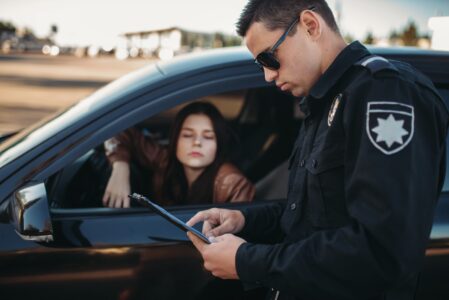
Step 3: File a Police Report (When Appropriate)
Calling the police is not always legally required for minor bicycle incidents, but it is often a smart decision when:
- The car damage is noticeable or expensive
- There is disagreement about what happened
- The parents are uncooperative
- You need official documentation for insurance
A police report helps:
- Establish an official record of the incident
- Document statements from both sides
- Reduce the risk of later disputes
- Support insurance claims or legal action
Even if officers do not assign formal “fault” on the spot, the report is still valuable for insurance processing.
Step 4: Notify Your Insurance Company
You should inform your auto insurance provider as soon as possible, even if you intend to settle privately with the parents.
Your insurer will:
- Review the damage
- Determine coverage under your policy
- Advise whether to pursue the other party’s insurance
- Begin the claims process if needed
One key process that may come into play is subrogation. This is when your insurance company pays for your repairs first, then attempts to recover the cost from the responsible party’s insurance provider.
This can simplify things for you, especially if the parents are slow to respond or insurance details are unclear.
Who Is Legally Responsible When a Kid Hits Your Car With a Bike?
In most cases, the legal responsibility does not fall on the child directly. Instead, it typically depends on negligence and supervision.
Common outcomes:
- Child acted unpredictably (no negligence from driver): Parents may still be responsible for damages
- Driver was clearly at fault (e.g., speeding in a driveway or school zone): Driver may bear responsibility
- Shared responsibility: Costs may be split depending on the situation
Because minors are involved, courts and insurance companies often consider whether the child acted reasonably for their age.
Insurance Coverage: Who Actually Pays?
In most cases, compensation comes from insurance rather than out-of-pocket payments.
1. Parents’ Homeowner’s or Renter’s Insurance
This is the most common source of compensation.
These policies often include personal liability coverage, which can pay for accidental property damage caused by family members—including children riding bicycles.
This can cover:
- Car body repairs
- Paint damage
- Repair labor costs
However, coverage depends on the specific policy and exclusions.
2. Your Auto Insurance Policy
If the parents are uninsured or uncooperative, you may need to use your own insurance.
Depending on your coverage:
- Collision coverage: Pays for repairs (minus deductible)
- Uninsured property damage coverage: May apply in some cases
- Deductible requirement: You may need to pay upfront first
Your insurer may later attempt to recover costs from the parents.
3. Out-of-Pocket Negotiation
In minor damage cases, some people choose to settle directly without insurance involvement.
This works best when:
- Damage is small
- Parents are cooperative
- Costs are clearly documented
However, it is still wise to keep written proof of any agreement.
What If the Parents Refuse to Pay?
If parents deny responsibility or refuse to cooperate, you still have options:
- File through your own insurance and let them handle recovery
- Provide the police report to support your claim
- Pursue small claims court for repair costs (if necessary)
Insurance subrogation is often the most practical solution, as it removes direct conflict from you.
Why These Situations Are More Common Than You Think
Bicycle-car incidents involving children are relatively common in residential areas, school zones, and driveways. Children may:
- Misjudge stopping distance
- Lose control of the bike
- Ride unpredictably
- Fail to notice parked or moving vehicles
This is why drivers are often advised to exercise extra caution in neighborhoods, even when they technically have the right of way.
A Note on Tricycles and Safer Alternatives
In discussions about children’s road safety, some families choose more stable riding options like a tricycle, especially for younger riders. While a tricycle improves balance and reduces falls, it does not eliminate responsibility or liability rules. If damage occurs, the same insurance and legal principles still apply.
Final Thoughts
If a kid hits your car with a bike, the situation is usually handled through a combination of documentation, insurance claims, and parental liability coverage. While the emotional aspect can be challenging—especially when a child is involved—the process itself is generally straightforward when you follow the right steps.
The key actions are:
- Ensure safety first
- Document everything clearly
- Collect parent and insurance information
- File a police report if needed
- Notify your insurance company early
In most cases, compensation is available through the parents’ homeowner’s or renter’s insurance, or your own auto policy if necessary.