
What Happens If You Violate DUI Probation? – Guest Post
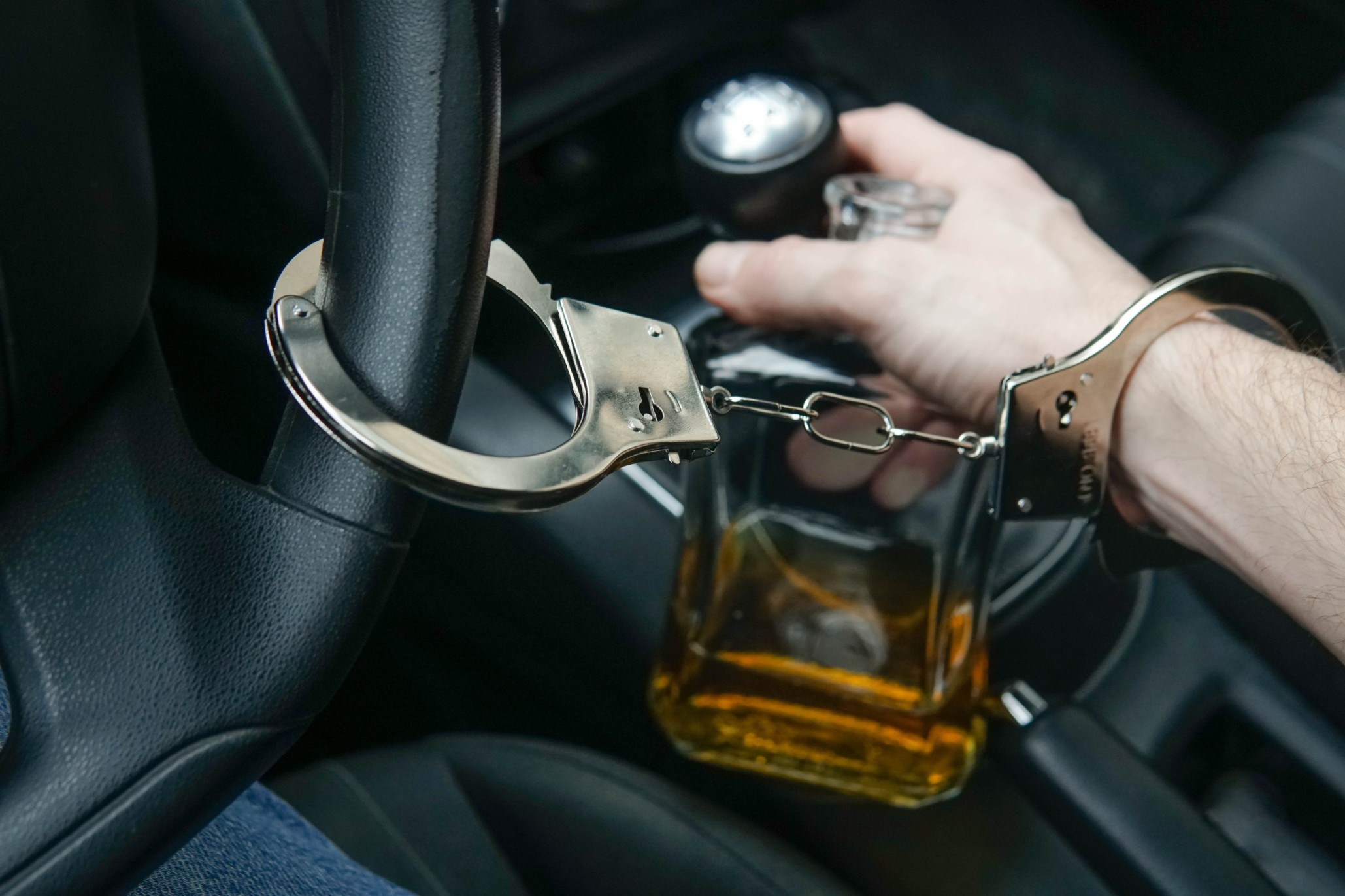
People often think probation after a DUI conviction is a lighter outcome than jail, and in some ways it is. You still sleep in your bed, go to work, and live your life. But that freedom depends on following the court’s rules, and these rules can be strict.
DUI probation is supposed to be a chance to prove you can stay responsible instead of serving time. It looks simple on paper, yet the reality is different when you’re the one living through it. One mistake, even a small one, can put everything at risk.
What is DUI Probation?
Think of DUI probation as supervised freedom. It is a court-ordered supervision period that replaces all or part of a jail sentence. Instead of putting someone in jail, the court gives them time out in the world, but under supervision.
During this time, a person might have to attend counseling, take random alcohol tests, install an ignition lock, or go back to the courthouse every few months. According to the National Institute of Health (NIH), roughly 17% of all probation sentences in the United States are tied to DUI cases, which shows how common it is for courts to use probation rather than jail.
Some people finish probation in half a year. Others remain under supervision for two or three years depending on how severe the DUI was and whether it was a first offense. The judge isn’t only there to punish; the system hopes you’ll walk away more stable, more aware, and less likely to repeat the behavior.
What Counts as a DUI Probation Violation?
A DUI probation violation isn’t only getting caught driving drunk again. It can be something that seems harmless if you’re not paying attention. Missing a scheduled breath test, forgetting a meeting with the probation officer, or skipping a required class.
Some people get in trouble for not paying court fines or for driving when their license is still suspended. Others don’t even realize they violated terms until a letter arrives calling them to court.
What Happens When You Violate DUI Probation?
Once a violation is reported, the court reviews the situation and decides what comes next. The judge might extend probation, add new terms, or make the conditions heavier (more testing, extra classes, tighter supervision). Revoking probation is also an option, which means the original jail sentence can be put back on the table.
Some cases get treated as “technical violations,” which means the person didn’t commit a new crime but failed a requirement (missed a meeting, didn’t enroll in a program, etc.). Yet even technical violations have weight: a significant number of probation punishments nationwide begin with minor rule failures rather than new offenses.
If a new DUI or another crime occurs during probation, consequences usually jump quickly. The court sees it as a sign that previous leniency didn’t work.
Final Thoughts
Probation isn’t freedom with no strings. It’s more like a door that stays open only if you’re careful with it. Most people complete probation without trouble when they plan ahead, stay sober, communicate with their officer, and treat every requirement as non-negotiable.
A violation doesn’t always end someone’s freedom, but it always makes the situation harder. Staying within the rules is the simplest way to move forward and finish probation without issues.
Key Takeaways
- DUI probation simply means supervised freedom instead of jail.
- Violations include missed tests, skipped check-ins, unpaid fines, or additional offenses.
- A judge may extend probation, add conditions, or revoke it entirely.
- About one-third of violations come from technical errors, not new crimes.
- Staying organized and compliant is the best way to avoid legal trouble.