
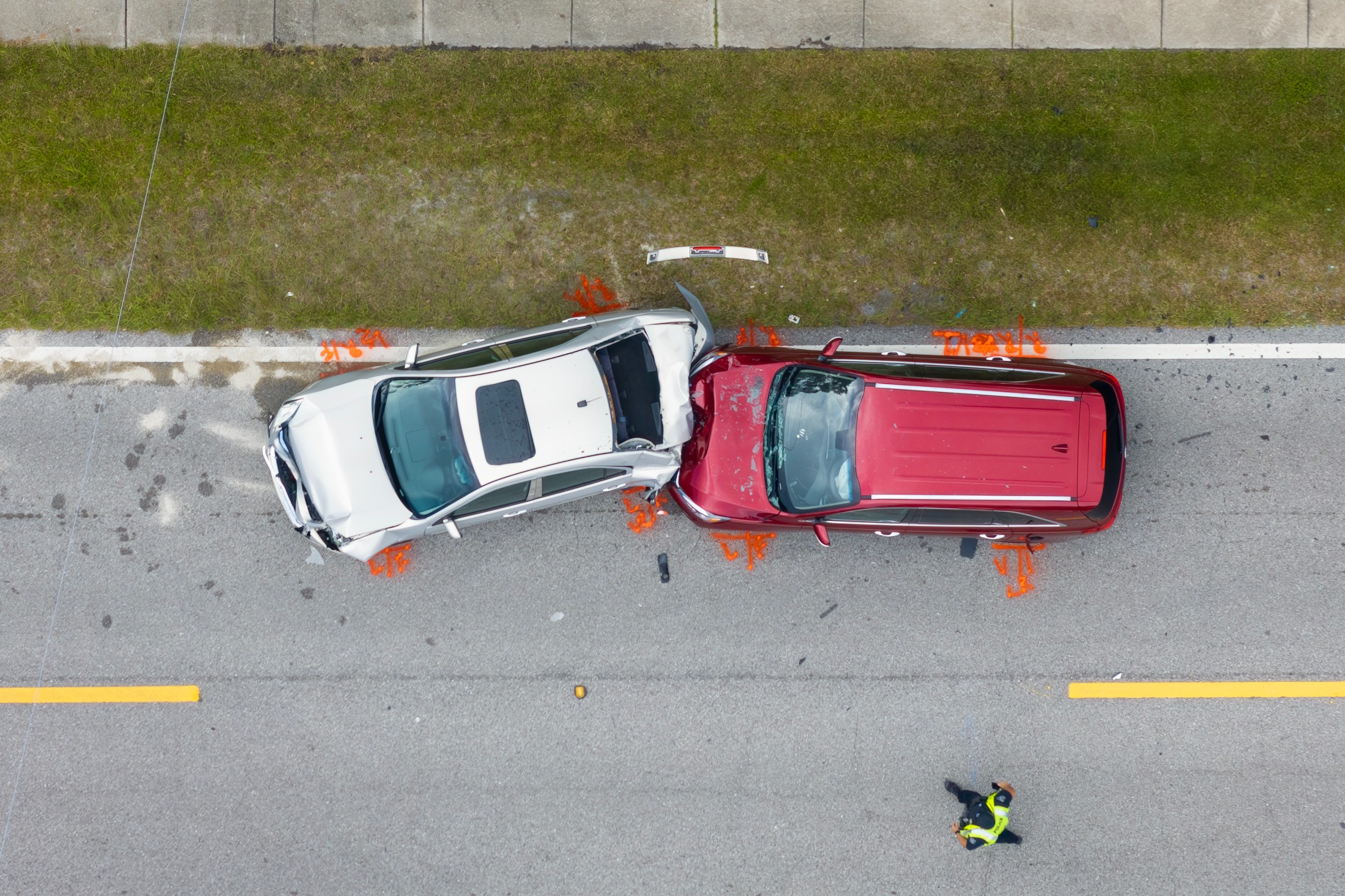
Moving is already one of the most stressful events in adult life. Add a car accident to the mix and you’re dealing with two crises at once: vehicle damage or injury on one side, and a half-packed household on the other. Knowing what to do in the first hour after a collision during a move can protect your health, your legal rights, and your timeline. This guide walks you through the steps in order.
Stop, Check for Injuries, and Call 911
The rules that apply to any accident apply here too, but the context of a move adds complications worth understanding. Pull over completely and check yourself and any passengers for injuries before you worry about the cargo. Adrenaline suppresses pain, so be deliberate: move your neck slowly, check your hands and arms, and ask passengers to do the same. If anyone feels any discomfort at all, call 911 immediately and stay put.
Even if the damage looks minor and everyone feels fine, call the police. A police report creates an official record of the accident that your insurance company will require. In most states, you’re legally obligated to report any collision above a certain dollar threshold in property damage. Don’t rely on a verbal agreement at the scene.
If the other driver leaves without exchanging information, don’t chase them. Document what you can about their vehicle and call 911 to report it. You’ll want to read up on your options if you end up in that situation, and hit-and-run victim rights and next steps are more legally involved than most people realize.
Document the Scene Before You Move Anything
Take photographs of every vehicle involved from multiple angles, the road surface, any skid marks, debris, traffic signs, and intersection layout. If you’re in a moving truck or towing a trailer, photograph the load too. Damage to a rented moving vehicle or your belongings in transit may affect your claim depending on who holds the policy.
If you have a dashcam running, preserve that footage immediately. Don’t allow it to overwrite. Many people don’t realize that dashcam footage as accident evidence has specific authentication requirements to be admissible, but preserved footage that still has its original metadata is far more useful than none at all.
Get the other driver’s name, license number, insurance carrier, policy number, and plate. If there are witnesses, ask for their names and phone numbers. Write everything down or record a voice memo while it’s fresh. Memory under stress degrades fast.
Understand Who’s Liable When a Moving Truck Is Involved
Liability gets more complicated when a large vehicle is involved. If you’re driving a rented moving truck and cause the accident, the question of who covers the damage depends on whether you purchased the rental company’s coverage, whether your personal auto policy extends to rentals of that size, and whether your credit card offers any protection. Most personal auto policies do not cover trucks above a certain weight class.
Fore example, you’re hauling a loaded trailer through Washington on I-90 and a semi clips you on the descent into Spokane. You’re shaken, your trailer has taken damage, and the trucking company’s driver is already on the phone with his dispatcher. That scenario plays out differently than a two-car fender-bender, because the liability picture changes significantly when a commercial carrier is involved. Commercial truck accident liability standards are governed by federal regulations under the Federal Motor Carrier Safety Administration, which imposes stricter rules on carriers than apply to ordinary drivers. A commercial driver’s hours of service, vehicle inspection records, and cargo loading documentation can all become relevant.
The Federal Motor Carrier Safety Administration reports that large trucks were involved in crashes resulting in more than 100,000 injuries annually in recent data years. Moves that take place on highways or through industrial areas put you in proximity to commercial freight traffic, which makes understanding your rights in those situations more than theoretical.
Sort Out Your Move While the Claim Is Open
An accident mid-move creates a secondary problem you need to solve quickly: what happens to your belongings? If your vehicle is disabled and your stuff is in it, you need a plan before you can focus on the legal and insurance process. Here’s what to sort out as soon as you’re safe.
- Contact your moving company or truck rental agency immediately to report the incident and ask about their damage and loss coverage.
- If your belongings need to come out of a damaged vehicle, arrange temporary storage before your destination is ready.
- Check your homeowner’s or renter’s insurance policy. Many policies cover belongings in transit, but limits vary.
- Keep every receipt related to the disruption, including alternative lodging, new rentals, and storage fees. These costs may be recoverable.
Say you’re relocating to Miami and your moving truck gets rear-ended on I-95 near Brickell. Your vehicle is undriveable, your stuff is in the back, and your new place isn’t available until Friday. You need somewhere to put everything today. South Florida’s storage market moves fast, particularly in Miami-Dade, and units near major corridors fill up quickly during peak moving season. self-storage availability and unit pricing can vary considerably by neighborhood and season, so comparing options early gives you a realistic picture of what’s actually available near your route.
Notify Your Insurance and Understand Your Coverage Gaps
Call your insurance company as soon as you’ve left the scene. Most policies require prompt notification, and delays can complicate your claim. When you call, be accurate about what happened and what vehicle you were driving. If you were in a rented truck rather than your own car, tell them that upfront because it determines which policy applies.
The National Highway Traffic Safety Administration tracks accident-related property damage as a separate category from injury claims. Property damage claims during a move often involve multiple owners, since the truck may be rented, the trailer may belong to a third party, and the contents may be covered under yet another policy. Getting clarity on which insurer handles each piece early in the process saves significant delay later.
One coverage gap that catches people off guard: standard renters insurance policies often cap coverage on items in transit. If you’re moving high-value items, a separate moving valuation policy from your moving company or a short-term goods-in-transit policy may be worth the cost.
Seek Medical Attention Even If You Feel Fine
The physical and cognitive load of moving can mask symptoms that would otherwise be obvious. Whiplash, soft tissue injuries, and mild concussions are all notorious for delayed presentation. You might feel fine at the scene and wake up the next morning unable to turn your neck.
See a doctor within 24 to 48 hours, regardless of how you feel. Medical records that connect your injuries to the accident date are important for any insurance or legal claim. If you wait a week before seeing a doctor, insurers will argue the injury came from moving heavy furniture, not from the collision itself.
Keep a written log of symptoms, medications, and how your daily function is affected. This documentation may seem excessive at the moment, but it becomes critical if your claim is disputed or your injuries turn out to be more serious than they initially appeared.
Getting Through the Accident Without Derailing Your Move
A car accident during a move doesn’t have to permanently stall your relocation. The people who handle it best are the ones who separate the two problems quickly: deal with the accident correctly and in order, then pivot back to the logistics of the move with whatever coverage, storage, or rental solutions apply. The steps above keep both tracks moving without one undermining the other.
If liability is unclear, the other driver was commercial, or your injuries don’t resolve quickly, get a legal consultation. Initial consultations with personal injury attorneys are almost universally free, and the difference between a claim you build correctly from day one and one you piece together after the fact can be substantial.