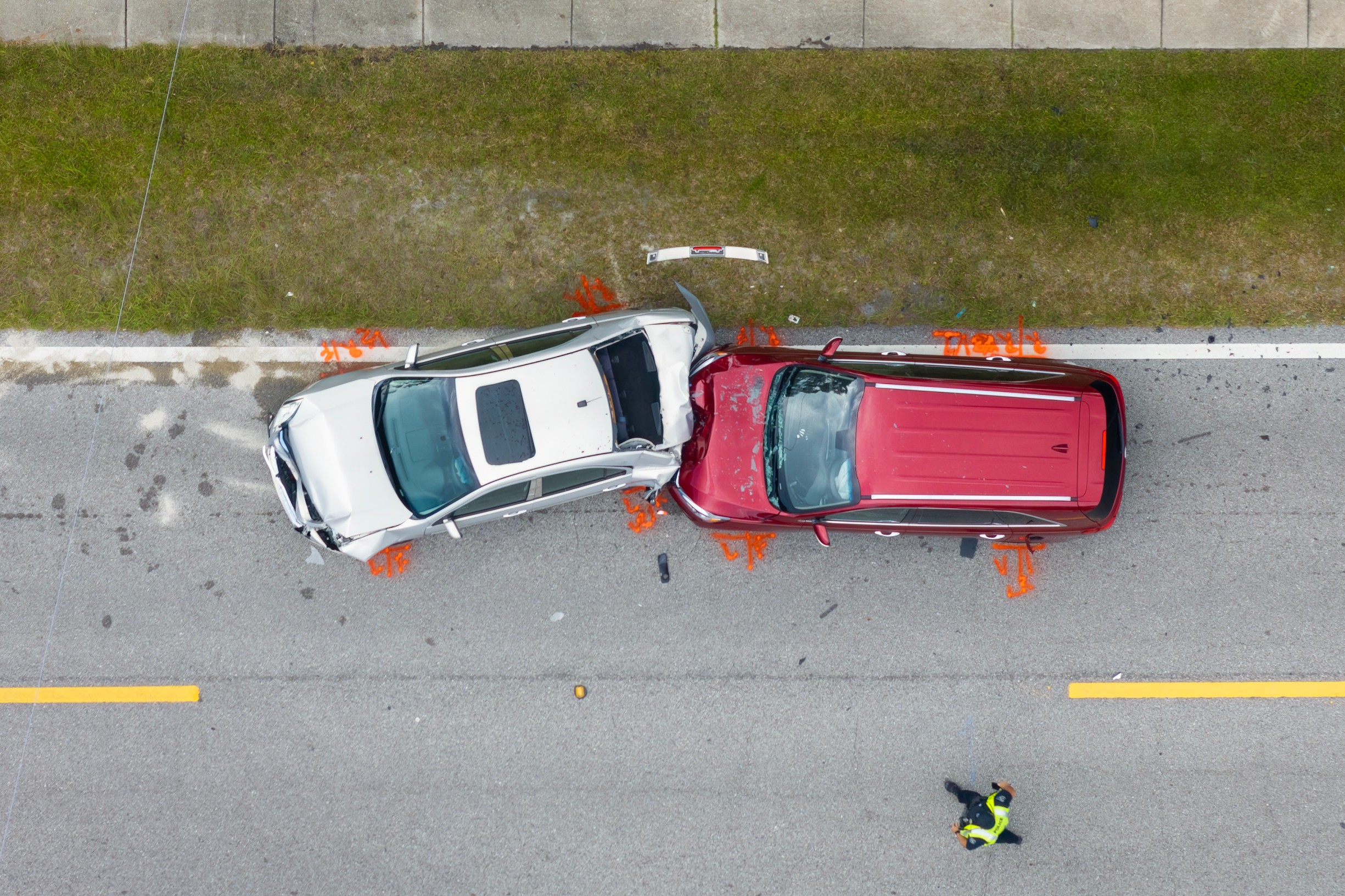
Car accidents in Charleston, West Virginia, can result from a combination of driver behavior, changing traffic conditions, weather, and road design. Busy intersections, commuter traffic, distracted driving, speeding, and reduced visibility can all increase the risk of collisions. No single factor explains every crash, but understanding common hazards can help drivers make safer decisions.
Charleston serves as a regional hub for work, shopping, and travel, bringing local traffic together with vehicles passing through the area. Knowing what to watch for after an auto accident is also important because quick, informed decisions can help protect your safety and legal rights.
The mix of local streets, major roadways, and routes used by commuters and commercial vehicles can create additional challenges. Drivers unfamiliar with an area may hesitate, make unexpected turns, or miss traffic signals, creating risks for others nearby. Maintaining a safe speed, checking blind spots, and anticipating the actions of surrounding vehicles can help drivers respond more effectively to changing traffic conditions in Charleston.
Congested Roads and Changing Traffic Patterns
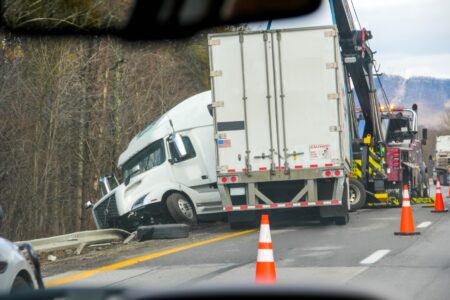
Traffic congestion can increase the likelihood of rear-end collisions and intersection crashes. When drivers follow too closely, become impatient, or make sudden lane changes, even a brief lapse in attention can lead to an accident.
Drivers should allow enough following distance, watch for sudden braking, and avoid rushing through changing signals. Staying alert is especially important during peak travel periods and in areas where traffic frequently slows or merges.
Distracted and Aggressive Driving
Distracted driving remains a concern wherever vehicles, pedestrians, and cyclists share busy roads. Looking at a phone, adjusting navigation, or reaching for an object can take a driver’s attention away from traffic at a critical moment.
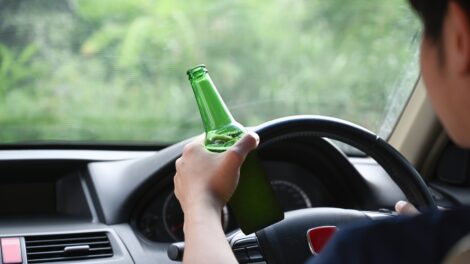
Aggressive behaviors such as speeding, tailgating, and unsafe passing can make crashes more likely and increase their severity. Drivers can reduce these risks by putting their phones away, following speed limits, and leaving enough space to react to unexpected hazards.
Weather and Road Conditions
West Virginia weather can change quickly, and rain, fog, or winter precipitation may make roads slippery and reduce visibility. Hills, curves, and shaded areas can create additional challenges when conditions deteriorate.
Drivers should slow down when the road is wet or visibility is poor. Keeping tires in good condition, maintaining brakes, and using headlights appropriately can also help improve vehicle control.
Intersections and Driver Errors
Intersections require drivers to process several potential hazards at once. Running a red light, failing to yield, or misjudging another vehicle’s speed can cause serious side-impact or turning collisions.
Before entering an intersection, check for approaching traffic, pedestrians, and cyclists. Do not assume another driver will stop or follow the rules simply because you have the right of way.
Steps to Take After a Crash
- If a collision occurs, move to a safe location if possible and check for injuries.
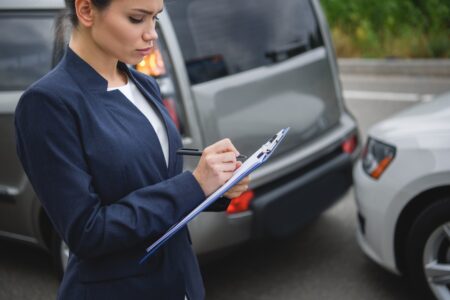
- Contact emergency services when needed, exchange information with the other driver, and document vehicle damage and road conditions when it is safe to do so.
- Seek medical attention for injuries, even if symptoms initially seem mild.
- Notify your insurer and keep copies of medical records, repair estimates, and other relevant documents.
These records can help establish the circumstances of the crash and document the financial impact of any injuries.
For current local crash patterns, consult official West Virginia traffic-safety reports rather than relying on assumptions about which roads are most dangerous.
Quick Summary
- Congestion, distraction, speeding, and unsafe following distances can contribute to crashes.
- Rain, fog, and winter road conditions can make driving more hazardous.
- Intersections require careful attention to signals, turning vehicles, and pedestrians.
- Vehicle maintenance and defensive driving can reduce preventable risks.
- After a crash, prioritize safety, document the scene, and seek medical attention when needed.