A car accident can turn an ordinary commute into weeks of insurance calls, repair appointments, missed work, and unanswered questions. Even a collision that initially seems straightforward can become complicated when drivers disagree about what happened or the full cost of the damage becomes clear.
For drivers traveling through Kansas City, Northwest Arkansas, or across state lines, preparation starts with understanding how crash prevention, evidence, insurance, and legal responsibilities fit together.
These ten considerations can help drivers make informed decisions before and after a collision.
1. Car Accident Risks Extend Beyond Speeding
Speeding deserves attention, but it is only one behavior that can contribute to a collision. Following too closely, failing to yield, making unsafe lane changes, and driving while distracted can also create dangerous situations.
Distraction includes more than texting. Eating, adjusting navigation, and looking away to speak with passengers can pull attention from the road. The National Highway Traffic Safety Administration identifies activities that divert attention from driving as potential distractions.
Before leaving, set your route, silence unnecessary notifications, and secure loose items. Small preparations reduce the number of competing tasks you face behind the wheel.
2. Safety Comes Before Car Accident Documentation
Photographs and insurance information matter, but immediate safety takes priority. After a collision, check yourself and your passengers, assess surrounding traffic, and call 911 when someone may be injured or an immediate hazard exists.
If the vehicle can be moved safely and local requirements permit or require it, relocate out of active traffic. Follow emergency responders’ instructions.
Avoid standing between vehicles or walking into moving traffic to inspect damage. Do not put yourself at risk to retrieve a license plate number or capture a better photograph. Evidence is useful only when gathering it does not create another emergency.
3. A Traffic Ticket Does Not Resolve Every Accident Question
A citation and an injury claim address different issues. A traffic case concerns an alleged violation, while a civil claim examines responsibility for harm and the losses associated with it.
A ticket may be relevant, but drivers should not assume it automatically establishes every element of a claim. Likewise, the absence of a citation does not necessarily eliminate potential liability.
Preserve any citation, court notice, and crash report you receive. If a collision produces both a traffic charge and an insurance dispute, ask how decisions in one matter could affect the other before taking action.
4. Car Accident Evidence Should Capture the Entire Scene
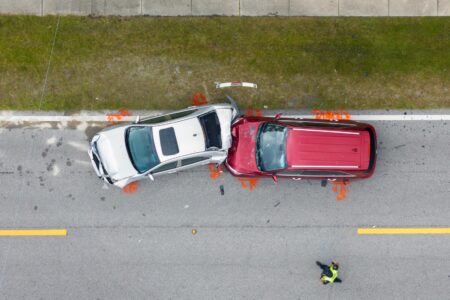
Close-up photographs of a dented bumper provide only part of the picture. When safe, document vehicle positions, lane markings, traffic signals, road conditions, and nearby signs.
Record the location, approximate time, direction of travel, and anything you personally observed before impact. Exchange required identification and insurance details, and request contact information from willing witnesses.
Save original photographs and dashcam recordings without editing them. Back up the files promptly. A short, factual account written while events are fresh can also help you answer later questions consistently without relying entirely on memory.
5. Vehicle Damage and Personal Injuries Need Separate Attention
A repair estimate answers questions about the vehicle; it does not establish whether someone needs medical attention. Avoid using the appearance of a bumper or door as your only measure of the collision’s effect.
If you have symptoms or concerns after a crash, seek appropriate medical evaluation. Describe what happened accurately and follow the clinician’s recommendations.
Keep appointment records, treatment instructions, and related receipts together. If symptoms interfere with ordinary activities, record specific examples without exaggeration. These notes can help you communicate clearly with healthcare providers and organize information requested during a claim.
6. Insurance Coverage Depends on the Actual Policy
Knowing that a vehicle is “insured” does not tell you which losses a policy covers. Liability, collision, medical payments, and uninsured motorist coverage serve different purposes, with limits and conditions that require individual review.
For example, Missouri requires specified liability coverage and uninsured motorist bodily injury coverage, as explained by the Missouri Department of Revenue. Those requirements should not be treated as a description of every driver’s available protection.
Review your declarations page and policy documents. Ask about deductibles, rental reimbursement, exclusions, and reporting duties before assuming a particular expense will be paid.
7. Accurate Insurance Communication Helps Avoid Confusion
When reporting a car accident, distinguish what you know from what you suspect. Describe your location, direction of travel, and observations honestly. Avoid guessing about another driver’s speed or intentions.
Keep the claim number, adjuster’s contact details, and copies of correspondence in one place. After calls, note the date, the topics discussed, and any promised next steps.
Ask which documents are needed and when they are due. Before providing a recorded statement, clarify who is requesting it and whether your policy requires cooperation. Seek advice if you are unsure about your obligations.
8. Car Accident Expenses Can Accumulate Over Time
The first repair bill may not represent the full financial impact of a collision. Depending on the circumstances, expenses can include towing, storage, transportation, medical care, and time away from work.
Create a simple expense log with dates, amounts, receipts, and explanations. Track missed work using employer records where available.
Documentation does not guarantee reimbursement, but it makes a request easier to evaluate. Before accepting a settlement or signing a release, understand which claims it resolves and whether you have enough information about the losses involved.
9. Out-of-State Car Accidents Require Local Legal Knowledge
A collision during a business trip or vacation can raise unfamiliar questions about reporting requirements, deadlines, insurance, and where a claim belongs.
For an Arkansas collision, speaking with a car accident lawyer in Fayetteville, AR can help clarify which rules apply and what information deserves prompt attention.
Do not assume procedures from your home state control every issue. Keep documents from police, insurers, and courts organized, and seek guidance early when injuries, disputed responsibility, or multiple vehicles complicate the situation.
10. Prepare Your Accident Checklist Before You Need It
Store insurance details, emergency contacts, and a basic collision checklist somewhere accessible. Include space for witness information, photographs, and claim notes.
A little preparation can make a stressful roadside situation easier to manage and help you follow through afterward.