
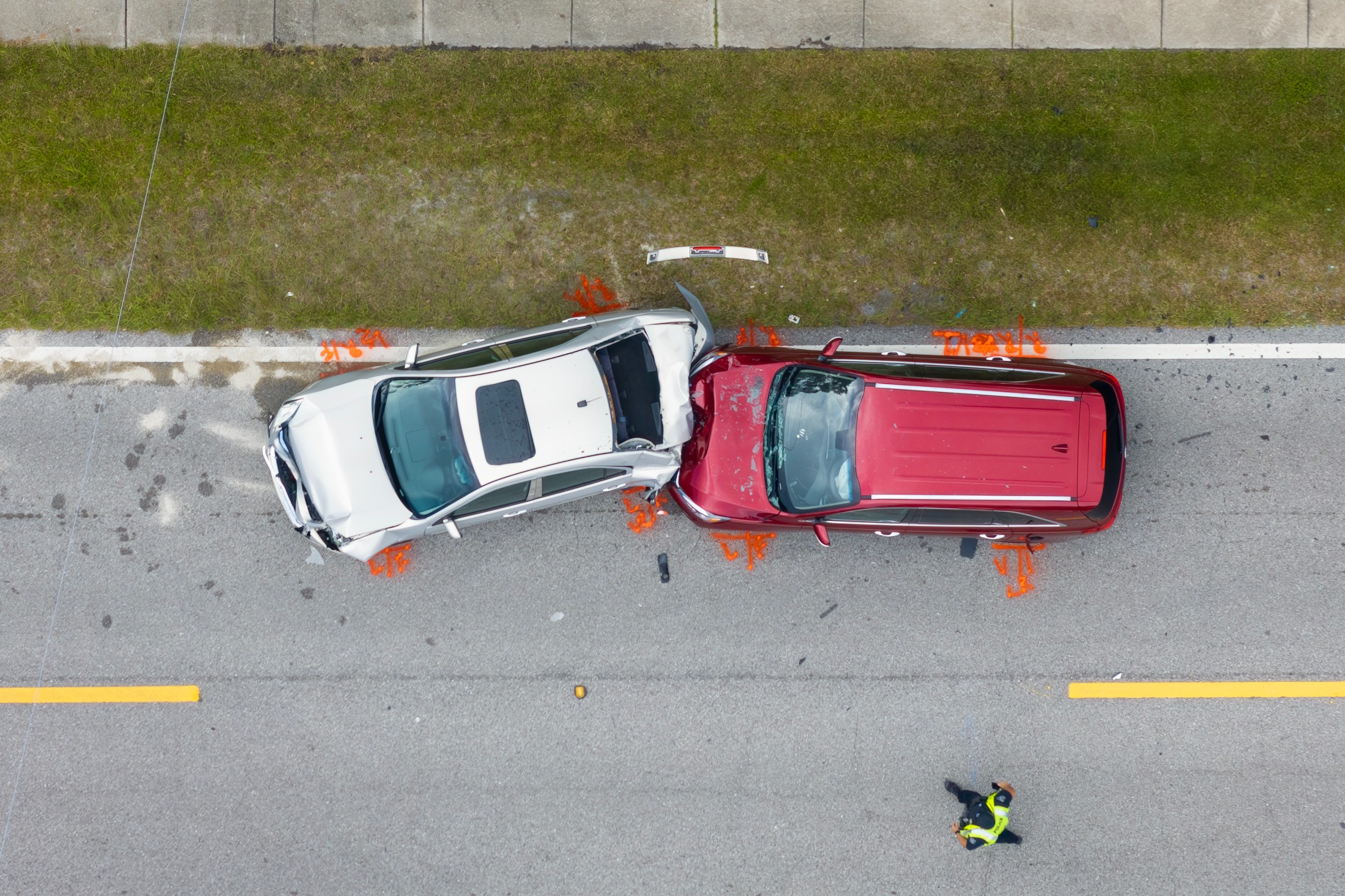
After a car accident, most people expect the insurance process to be straightforward. You report what happened, answer a few questions, and wait for the claim to move forward. In busy cities like Palm Beach Gardens, FL, where accidents happen quite often, it’s not uncommon to see insurance companies that try to maximize their bottom line by minimizing payouts. Whether they do so or they act in good faith, the process often feels complicated for victims because there are many things to verify to reach a fair settlement.
Knowing what happens behind the scenes helps you make better decisions before small mistakes become costly ones.
Here are five things insurance companies commonly do after a car accident that many drivers overlook.
1. They Start Building the Claim Immediately
Most insurance companies begin reviewing a claim almost as soon as it is reported. They may gather police reports, review photographs, request repair estimates, and begin documenting conversations from the very first phone call.
While that process is normal, many drivers do not realize that every interaction becomes part of the claim file. Keeping your own records, saving receipts, and documenting medical visits can help create a more complete picture of what happened instead of relying only on the insurer’s file.
Starting your own documentation early also makes it easier to answer questions accurately if details are discussed weeks or months later.
2. They May Contact You Before Injuries Are Clear
Insurance adjusters often reach out quickly to discuss the accident while events are still fresh. Although this can help move a claim forward, it sometimes happens before injuries have fully developed or before treatment is complete.
Before providing detailed statements or agreeing to a settlement, many people choose to speak with a car accident attorney in Palm Beach Gardens so they can better understand whether it makes sense to wait until their medical treatment and financial losses are clearer. Firms such as Schwed, Adams, & McGinley P.A. often advise clients on how the timing of settlement decisions can affect a claim, allowing them to evaluate medical expenses, lost income, and other damages before bringing the matter to a close.
Accepting an offer too early can make it difficult to recover additional compensation if injuries turn out to be more serious than they first appeared.
3. They Compare Your Statements With Other Evidence
Many drivers assume every conversation with an insurance adjuster stands alone. In reality, adjusters often compare your statements with police reports, photographs, witness accounts, medical records, and repair estimates to build a consistent timeline.
That is one reason accuracy matters more than speed. If you are unsure about certain details, it is usually better to say so than to guess. Small inconsistencies are not always intentional, but they can create unnecessary questions during the review process.
Taking time to provide careful and accurate information helps reduce misunderstandings later in the claim.
4. They Continue Reviewing New Information as the Claim Develops
Many people believe an insurance company makes one decision and the process is over. In many cases, claims continue to evolve as new information becomes available.
Additional medical records, updated repair estimates, or newly discovered evidence may all become part of the claim file as it develops. New information can affect how the claim is evaluated, which is why it is important to keep records and report significant updates throughout the process.
Understanding that the process continues beyond the first phone call encourages accident victims to keep organized records and report important updates as they occur.
5. They Work to Close Claims as Quickly as Possible
Insurance companies are responsible for handling large numbers of claims, so resolving cases efficiently is part of the normal process. Many drivers understandably want to move on quickly as well, especially after dealing with vehicle repairs and medical appointments.
That shared goal of resolving the claim does not always mean every question has been fully answered. Before agreeing that a claim is complete, it helps to make sure repair costs, medical treatment, lost income, and any remaining concerns have been fully considered. Taking a little extra time to review the situation carefully can prevent decisions that are difficult to revisit later.
Final Words
Insurance companies follow established procedures after every car accident, and many of those steps happen long before a claim is resolved. Knowing how claims are reviewed, why information is collected early, and how decisions develop over time allows you to participate in the process with greater confidence.
hile every accident is different, staying organized, communicating carefully, and understanding what happens behind the scenes can help you avoid surprises and make informed choices throughout your claim.