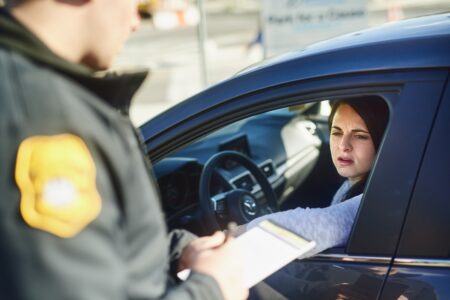
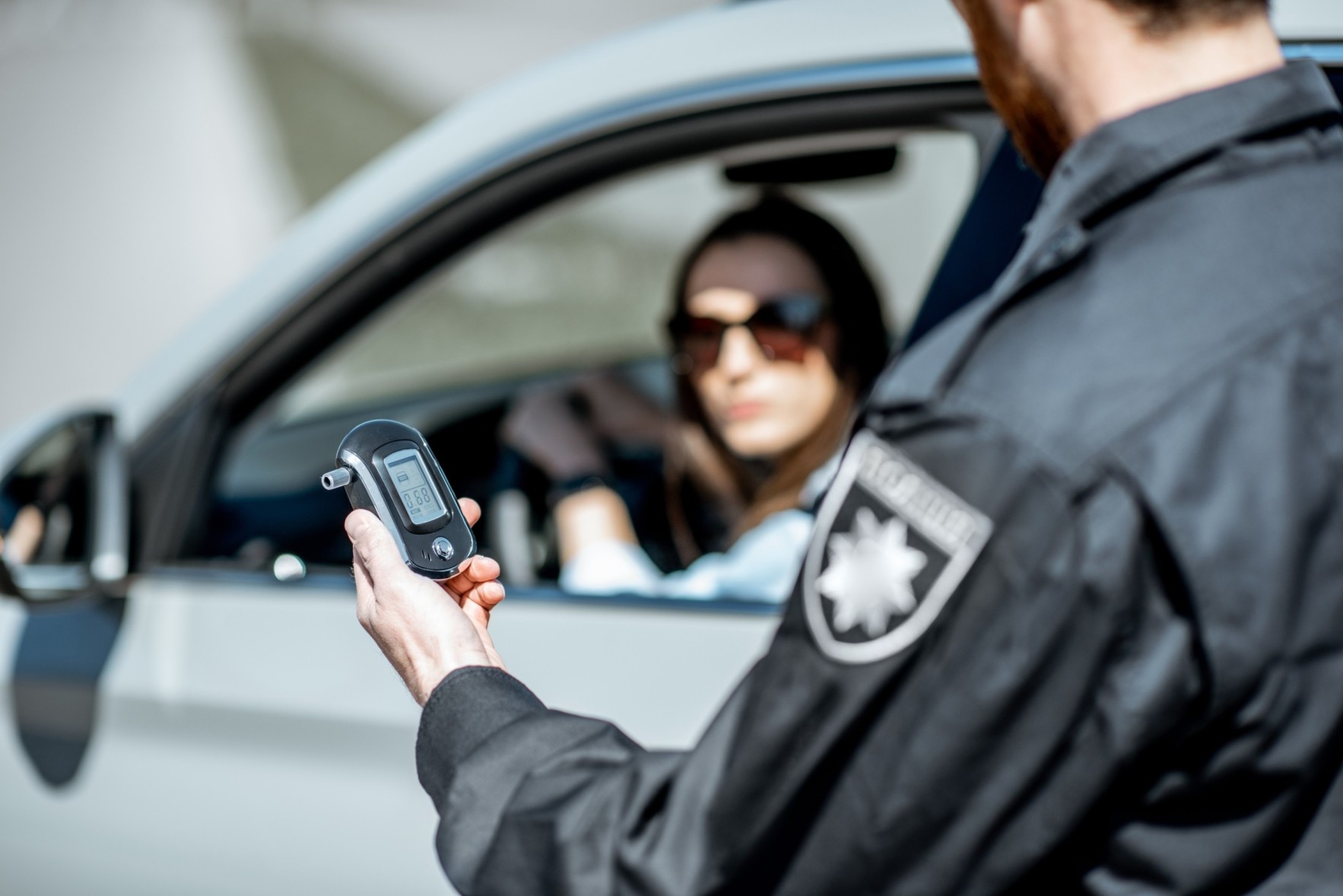
It’s never easy getting stopped by police after being suspected of alcohol-impaired driving. There are always people who believe that not consenting to a breathalyzer test is enough to avoid DWI charges.
Refusing a chemical breath test often ends up causing quick administrative penalties under the state’s implied consent rules. Other immediate consequences include a license suspension and maybe fines too. These penalties may be enforced against you, irrespective of whether a conclusion of guilt is handed down for a DUI incident.
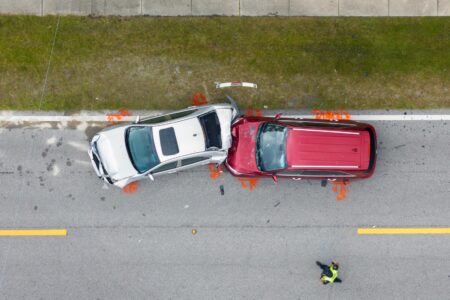
17,140 individuals reportedly perished in vehicular accidents within the first two quarters of 2025. Statistics published by the National Highway Traffic Safety Administration (NHTSA) indicate an 8.2% decrease from the same duration in 2024. Despite the clear decrease in road mishaps that were previously announced, a few thousand men and women keep dying yearly on the U.S. roads. It is a well-known and proven fact that all drivers need to do more to practice safe driving and make sensible choices while driving.
Most people know that aggressive driving is a leading cause of car accidents, but most people overlook the fact that alcohol-impaired driving is another significant contributing element to the occurrences of car accidents. A simple refusal to take the breathalyzer test might get used as supporting evidence in court, which makes the whole legal outcome of a case more complicated.
Understanding what happens after refusing a breathalyzer can help drivers make more informed choices and kind of recognize their rights and duties under New York’s traffic laws.
New York’s Implied Consent Law
Everyone who drives a motor vehicle in New York State has already agreed to take the chemical test according to New York State Vehicle & Traffic Law § 1194, which can be referred to as implied consent.
Under the implied consent law, a chemical test of breath, blood, urine, or saliva may be performed two hours or less after an arrest when there is reasonable suspicion that the individual has committed a violation of the state’s traffic law by driving while intoxicated.
Implied consent law refers to the evidentiary chemical test performed after an arrest at a police station or at a medical facility. A roadside preliminary breath test is performed prior to arrest so it can be determined whether there is probable cause to arrest the suspect for driving while intoxicated.
Implied consent law does not refer to the roadside breath test. These are two different statutes. The consequences of refusing a roadside test and refusing the chemical test after arrest differ.
Violating the implied consent laws results in immediate consequences. To avoid this issue, one should know how to find a lawyer specializing in DWI defense in New York City. The lawyer can mitigate the harsh effects of a breathalyzer refusal.
What Happens Immediately After You Refuse
Once you refuse the chemical test and the officer files a Report of Refusal, the following occurs in short order:
- Your license is suspended at arraignment by the presiding judge, before any hearing on the refusal itself.
- The New York State DMV schedules a separate administrative refusal hearing, typically within 15 days of arraignment.
- You cannot drive at all during the period between arraignment and the DMV hearing. No hardship license and no conditional license are available during this interim period.
- The DWI criminal case proceeds on a separate timeline from the DMV proceeding.
The suspension at arraignment is not conditioned on a finding of guilt. It is an administrative action based solely on the officer’s written report. The criminal case has not been resolved at that point, and the suspension happens regardless.
The DMV Refusal Hearing: What Is Actually Decided
The refusal hearing at the DMV is a civil administrative hearing held before an administrative law judge (ALJ). This process is entirely different from your criminal case. According to vehicle traffic law (VTL) § 1194(2)(c), the ALJ will account for just four questions:
- Did the police officer have reasonable suspicion of you driving under VTL § 1192?
- Was your arrest legal?
- Did you get a clear and unequivocal warning from them about what happens if you refuse the chemical test, including a suspension and then later the revocation of your driver’s license?
- Did you refuse to take the chemical test?
If the ALJ rules in your favor on any of these four questions, your license suspension will end and be restored. Otherwise, the consequences following your refusal will be upheld.
There is a difference between the DMV hearing standards and criminal trials, as the burden of proof at the DMV hearing is only by a preponderance of the evidence. This distinction is very significant since there are people who win the criminal trial but fail the DMV hearing.
The Financial Penalties: What a Sustained Refusal Costs
Aside from any fines for refusal that may be imposed by the court, the administrative consequences of a continued refusal include the following penalties:
- License revocation that lasts for at least one year. This revocation is not the same as suspension and requires a new license application after the required time has passed.
- Civil Fine of $500
- $750 Driver Responsibility Assessment Fee (split into $250 per year for three years)
- $100 Reinstatement Fee
Total administrative charges for a first refusal add up to around $1,350 without counting the criminal fine, if any, that would have been imposed.
For a second refusal within five years of the date of a first refusal or if the refusal comes along with a DWI offense, which is either a refusal charge or conviction, then the revocation goes up to 18 months.
The Conditional License Problem No One Explains Clearly
The biggest and perhaps most immediate practical impact of refusing is one that few people understand until it is too late to do anything about it.
According to New York State law, a driver who fails the breathalyzer after being arrested for a DWI is normally qualified for a pre-conviction conditional license through the Impaired Driver Program.
Refusal disqualifies the driver from getting this conditional license. In effect, the refusal removes the hardship exemption for the duration of the suspension.
If you drive in Long Island, in a suburb where there is little public transport, or anywhere else where your job requires driving, the inability to obtain the conditional license is arguably the most immediate impact of the refusal, even before the civil penalty.
This provision is included in the refusal statute, NYS VTL § 1194(2)(b). It does not matter how the criminal proceedings turn out in the end. It is a determination made by the New York State Department of Motor Vehicles.
How the Refusal Is Used in the Criminal Case
Based on VTL § 1194(2)(f), prosecutors may offer evidence of refusal as consciousness of guilt, as the refusal indicates awareness that the person’s blood alcohol content exceeds the legal limit.
This evidence is admissible only if the prosecution shows the accused person was warned in an unmistakable manner regarding the consequences of the refusal.
The prosecutors who cannot provide a particular BAC since there was no testing of such usually file charges based on VTL § 1192(3).
This law refers to common-law DWI, where the prosecution does not have to show a particular blood alcohol content. In this case, it is enough for the police’s observations and the results of the field sobriety test to justify the lodgment of the driving while intoxicated complaint.
Frequently Asked Questions
Can a court order me to submit to a chemical test even after I refuse?
A court order may be possible in a few specific situations. A judge may sign a warrant if police arrest the driver for DWI and the accident causes someone’s death or injuries. In other situations, the DMV will handle your refusal administratively.
Does the refusal penalty apply even if I am acquitted of the DWI charge?
Yes. The DMV refusal proceeding is independent of the criminal DWI proceeding. It is possible that the charges of driving under the influence of alcohol or drugs may be dismissed, but your right to drive may still be suspended if the decision of the Department of Motor Vehicles is otherwise.
What defenses might you use at a DMV refusal hearing?
Some tactics that are commonly used among individuals may include emphasizing that the stop or apprehension was not done on legal grounds, contending that the language of the refusal cautions was indigestible, and neglecting to mention the fact that an instruction to take the sobriety tests ended.
What if the officer doesn’t show up for the DMV refusal hearing?
If this situation occurs, the DMV will withdraw the temporary revocation period and designate another day for the hearing. Your driver’s license may be reinstated if no adjournment is requested and the hearing is postponed.
Two Simultaneous Proceedings, One Decision
In New York, when one declines a breathalyzer, there will be two different procedures that will start separately: a criminal DWI proceeding and a DMV administrative hearing proceeding.
Each follows its own procedures and rules of proof and punishment. The result in one does not affect the other.
The refusal penalty applies separately from the criminal proceeding under VTL § 1194, and once the arraignment takes place, you will be ineligible for a conditional license.
It is important to realize how these two processes work, as DMV consequences will still go on regardless of the results in the criminal proceeding.