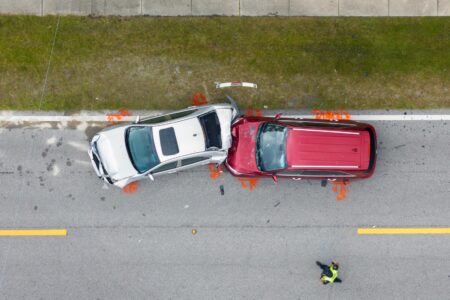
A speeding citation becomes a different problem when it is connected to a criminal traffic case. At that point, the stakes are higher, and the process of contesting it requires more than telling the court the officer was wrong. You need to know what evidence exists, how your speed was established, and what charge you are facing. These three areas form the foundation of any serious challenge to a speeding citation in a criminal context.
1. Challenge How the Alleged Speed Was Established
Traffic officers use several technologies like radar, lidar, and visual estimation to establish speed. These devices work by measuring the speed of return of radio waves from a vehicle or calculating distance changes over time. However, they are also likely to fail due to calibration issues or operator error.
The first contesting strategy is challenging the accuracy of these technologies. If the tool used to check your speed was not properly calibrated before or after the shift, that raises a question about its accuracy. Most traffic laws require officers to verify their equipment at the start and end of their patrol. That means any incomplete or unavailable records become your point of focus.
Officers are also required to complete approved programs before using these devices on the road. If the officer does not have proper certification, the reading may carry less weight. However, you still have to prove missing calibration records, inconsistencies in the officer’s account, or circumstances that may have affected the reading to win the case.
2. Review the Prosecution’s Evidence
Identify everything the prosecution may rely on and differences in them before deciding to fight the charge. This can include:
- Police records
- Camera footage
- Photographs
- Witness statements
- Inconsistent records
An accident can add another layer of evidence. Investigators may consider road conditions, vehicle movements, damage, and other circumstances surrounding the collision. A speeding allegation connected to a collision involving fatalities may need a detailed legal and expert review. In this case, consulting a personal injury attorney in Peoria may help you understand how the traffic allegation and death-related legal issues can overlap.
The National Highway Traffic Safety Administration also explains that speed enforcement can involve both technology and supporting evidence. This makes the method used to establish speed an important part of the record.
3. Argue That Circumstances Justified Your Speeding
In certain situations, you can admit to exceeding the speed limit and still contest the charge by arguing the circumstances left no reasonable alternative. This is called the necessity defense.
The key to this strategy is that you were facing a serious danger that driving above the speed limit was the only way to prevent more harm. An honest medical emergency, like rushing a passenger in cardiac distress to a hospital or getting a child to emergency care, is an example of a justifying violation. However, the standard for this argument is strict.
Courts generally ask for proof that an actual and immediate threat existed and that you did not create it yourself. You need supporting evidence to make this argument hold up. This can be medical records, witness accounts, or any documentation that confirms the emergency was real.
Endnote
Challenging a speeding citation begins with acting based on the evidence, not making a general denial. Review what the prosecution has against you and look for anything that does not make sense. A criminal case tied to a traffic ticket can affect your driving record and finances well beyond the day the ticket was issued. Knowing the law and the process before you respond gives you a real chance to handle any outcome.