
Railroad crossings are one of those things Kansas City drivers go through dozens of times without giving it much thought. You lighten up a bit, check both ways out of habit, and roll through. Routine but Missouri law does have particular speed limitations at railroad crossings and officers do enforce those. One of these stops is mentioned, and it means more to most drivers than they initially realize when they see it.
Kansas City resides in one of the busiest freight rail lines in the nation. Real traffic, real inspections, genuine enforcement at these crossings. Knowing what the law really needs helps you avoid a ticket, as well as respond effectively if you get one.
Missouri Railroad Crossing Law
RSMo 304.040 is clear regarding how drivers must approach railroad crossings in Missouri. At crossings not protected by active signals or gates, the driver shall approach at such a speed that he will be able to stop safely if a train is seen. The law doesn’t require you to slow down to a set mph. It needs a speed that is suitable for the view on that particular crossing.
That difference is more important than most people think. A crossing with good sight lines for hundreds of feet in either direction is not the same as one where a curve in the track, foliage, or neighboring buildings limit your view to the rails themselves. The law expects you to be moving slower the worse the visibility is when you get to the crossing.
When the lights begin to flash, cars are required to halt at active signal crossings. The same stop rule applies to crossings with gates, and it is a distinct infraction to move before the gate has fully opened. Crossbuck signs, the famous white X-shaped marks with no lights or gates, nonetheless demand that you yield to any train that is close enough to constitute an imminent hazard.
Why These Tickets Are More Serious Than A Normal Moving Violation
This is the portion that most drivers underestimate. In Missouri, speeding through a railroad crossing isn’t the same as drifting out of your lane or rolling through a stop sign. Courts and prosecutors look at these citations a bit closer because the risk profile is actually different.
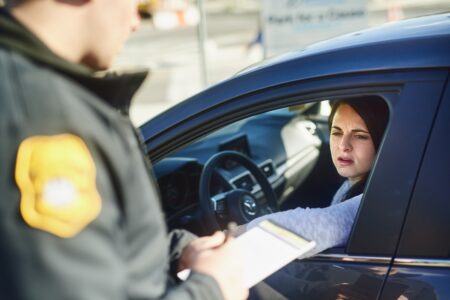
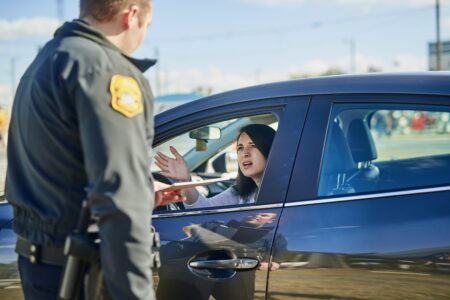
A train collision risk is created by a vehicle traveling through a crossing too fast to stop or without an acceptable sight clearance. That danger is very real. Missouri cops are stationed near crossings during high-traffic periods and routinely give these citations. The legal heft behind them is reflective of what could happen.
This is a moving infraction, and points will be assessed on your Missouri license. Fines are based on the offense and circumstances. A violation that caused an accident is also grounds for civil liability in addition to the citation. If you are a commercial driver or have a commercial driver’s license (CDL), federal requirements add more penalties to those incurred at the Missouri state level.
Consulting with a Missouri traffic ticket attorney before making any judgments on how to respond offers you a comprehensive picture of what you are truly up against.
How Speeding Ticket KC Deals With These Cases
Speeding Ticket KC is a top-rated law company in Kansas City, Missouri. They handle traffic offenses and criminal defense problems, including railroad crossing fines that are more legally significant than the average driver appreciates when they first receive them.
Their lawyers look at each case on its own particular facts. What exactly was quoted? What did the officer record? What was the road and signal situation at the crossing? What are the realistic choices other than reduction, dismissal, or a negotiated resolution that safeguards your record? No templates. Each case is assigned a real reading based on what really happened.
Questions People Actually Ask Now
1. What is the speed limit at a railroad crossing in Missouri?
Missouri law has no single speed restriction for all crossings. You have to approach at a speed that lets you stop safely if a train approaches. The right speed depends on the visibility and the state of the road, and the traffic at the time of the crossing. A reasonable speed may be higher at an intersection with several hundred feet of unobstructed sight distance in each direction than at an intersection where a curve or foliage limits your view. Officers consider this factor in conjunction with the crossing geometry and the conditions at the time of the stop.
2. Is it a violation to go through a flashing signal slowly?
Yep. In Missouri, when signals are activated at a controlled crossing, you are required by law to stop before the crossing. Slowing down, cautiously approaching, nope. If your signals are on, it’s illegal to go at any speed. The legal standard is to stop, then wait until you’ve established the tracks are clear and the gate has fully risen before going. There is no margin for slow speed, for the train appearing far off, or for tardiness.
3. Can this citation be fought or reduced?
Yes. All the particulars at that intersection, what the officer saw and documented, the timing of the lights, the road and visibility conditions, all evidence that would contradict the story in the citation, all of this comes into play as to whether the charge will stick. A lawyer looks over the paperwork and finds where the charge is weak. Even if outright dismissal is not the likely conclusion, reducing it to a non-moving offense eliminates the points completely and modifies the license and insurance ramifications for the future.
4. How does this change for commercial drivers?
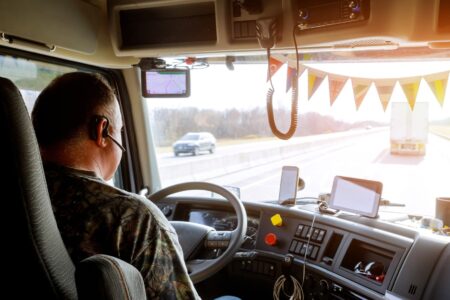
However, CDL drivers are subject to more stringent federal-level punishments for railroad crossing offenses than are regular passenger car drivers under Missouri state law. Depending on the infraction, a commercial driver can be disqualified from operating commercial vehicles for a length of time which has a direct impact on employment. Those federal sanctions are on top of state penalties, not instead of. CDL holders who have been given crossing citations need legal assistance immediately, not after they’ve seen how things work out on their own.
5. What do I do right after I receive this citation?
Don’t pay automatically. Payment is a legal admission and carries immediate point implications. Write it all down while it’s fresh. Where the crossing was. What the signals were doing when you approached. What the road conditions were like. What the officer said. If you have dashcam film, save it before it’s overwritten. CDL owners should consult an attorney today. Everyone else should speak to a lawyer before their court date. Deadlines limit options, and knowing what’s available early allows you space to react with a strategy, rather than just taking the consequence.