
Facing Interlock Device Charges in Kansas City Traffic Court
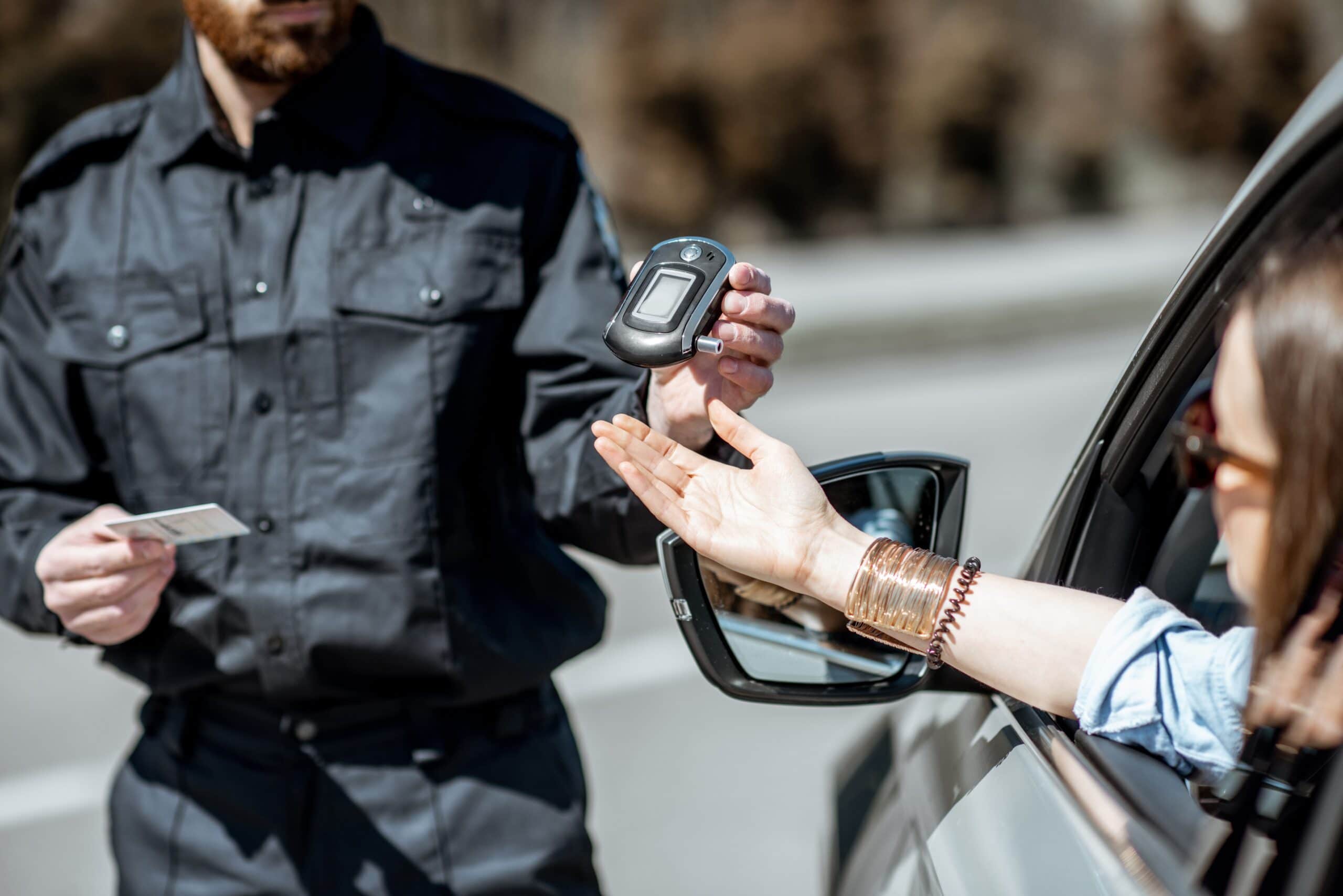
Ignition interlock devices sound simple on paper. Blow into the machine. Start the car. Drive where you need to go. That’s the idea, at least.
In real life, interlock rules trip people up fast. Missed blows. Failed starts. Device errors. A rushed morning before work. Suddenly, you’re facing new charges in Kansas City traffic court.
For many drivers, interlock violations feel unfair. They aren’t trying to break rules. They’re trying to live. Missouri law, though, doesn’t leave much room for excuses. That’s where a Kansas City traffic defense lawyer steps in.
Why interlock charges hit harder than expected
Most people think of interlock devices as a condition rather than a crime. That assumption causes trouble.
In Missouri, violations related to ignition interlock devices can result in license suspension, probation issues, or new charges. Judges often view these cases through a strict lens. The device exists because of a prior offense. That history hangs over everything.
You know what? Many drivers feel punished twice for the same mistake. The court doesn’t see it that way.
What an ignition interlock device actually requires
Interlock devices do more than block drunk driving. They log behavior. The device records failed tests, skipped retests, power loss, and signs of tampering. Even innocent actions can raise flags. A dead battery. A rushed blow. Mouthwash before work.
Kansas City traffic courts review these logs closely. Judges expect strict compliance, even when life gets messy. Here’s the thing. The rules don’t bend easily, but enforcement isn’t always perfect.
How interlock violation cases usually begin
Most cases start with a report. The interlock provider sends data to the state. That data triggers a notice. The notice leads to court.
Some drivers learn about violations through the mail. Others find out during probation meetings. Either way, panic usually follows.
At this stage, timing matters. Missed deadlines or ignored notices can turn a small issue into a bigger one.
Common mistakes drivers make early on
People often hurt their own cases without realizing it. Some admit fault too quickly. Others stop driving altogether, thinking it helps. Some ignore calibration appointments. Others remove the device without approval.
Fear is driving bad decisions here. A calm plan works better.
What the Kansas City traffic court expects to see
Judges want proof of effort. Compliance matters. So does honesty. Traffic courts look for maintenance records, service logs, and explanations that are clear and consistent. They want to know whether the violation shows risk or just poor timing.
A Kansas City traffic defense lawyer frames that story carefully. Context changes perception.
How a traffic defense lawyer approaches interlock cases
Interlock cases aren’t treated like speeding tickets. They involve records, tech details, and court history.
At Speeding Ticket KC, lawyers review device logs line by line. They check service dates, error codes, and reporting gaps. They ask questions about device placement and instructions given.
Some cases hinge on device malfunction. Others turn on unclear warnings or missed notices. A careful review often reveals something useful.
When negotiation makes sense
Not every interlock case needs a fight. Some need explanation. Prosecutors and judges may agree to modified penalties if evidence supports it. Reduced suspension periods. Warnings instead of revocation. Continued driving with conditions.
Local experience matters here. Kansas City courts follow patterns. Knowing them helps.
Working with a seasoned Missouri traffic ticket lawyer who regularly handles interlock cases can influence how the court responds.
When court hearings become unavoidable
Some cases go to hearings. That’s when preparation counts. A traffic defense lawyer presents logs clearly, not emotionally. They explain how the device works. They show how errors happen. They point out weak assumptions.
Judges respond better to facts than frustration. Calm arguments win more ground.
The stress factor no one talks about
Interlock cases weigh on people. Jobs depend on driving. Kids need rides. Life doesn’t pause for court dates.
Good lawyers recognize this. They keep clients informed. They explain timelines. They answer calls. Speeding Ticket KC focuses on steady communication because silence breeds anxiety.
Looking past the immediate charge
Interlock violations can affect future driving rights. They can extend device requirements or raise insurance costs.
That’s why traffic defense lawyers think ahead. Fixing today’s issue helps protect tomorrow’s options. Sometimes that means pushing back. Other times, it means damage control.
Frequently Asked Questions
1. Can an ignition interlock violation suspend my license?
Yes, it can. Missouri law allows suspension for certain violations. A lawyer can help limit or challenge that outcome.
2. What if the interlock device malfunctioned?
Device errors happen. Logs, service records, and provider reports can support that claim. Evidence matters.
3. Should I stop driving after a violation notice?
Not without legal advice. Stopping can create new problems. Speak with a lawyer first.
4. Do judges believe excuses about mouthwash or food?
Sometimes, with proof. Timing, consistency, and device data matter more than claims alone.
5. Why hire a traffic lawyer for interlock issues?
Interlock cases mix tech rules with traffic law. Focused experience helps navigate both sides.
Endnote
Facing interlock device charges in Kansas City traffic court feels stressful for a reason. The rules are strict, and the margin for error stays thin. With the right traffic defense lawyer, the process becomes clearer and more manageable.
Careful review, local court knowledge, and steady guidance can make a real difference when driving privileges are at stake.