
Anyone who has climbed into a car parked outside a Phoenix grocery store in July knows the feeling. The steering wheel is scorching, the seats feel like a griddle, and the air inside could bake cookies. Window tint can seem less like a luxury and more like a survival tool.
Tint offers plenty of perks beyond fighting the heat. It cuts glare, protects skin and upholstery from UV rays, adds a little privacy, and gives a car a sleek, polished look. For many drivers, it’s one of the first upgrades they make after buying a vehicle.
There’s a catch, though. Go too dark on the wrong window, and that stylish upgrade can come with flashing lights in the rearview mirror. What starts as a cosmetic choice can quickly turn into a ticket, a fix-it order, and an unexpected trip back to the tint shop.
Where Arizona Draws the Line
Arizona regulates window tint using a measurement called visible light transmission, or VLT. It describes how much light passes through the glass and film together. The lower the number, the darker the window, so a 20% tint lets in far less light than a 50% tint.
Front side windows face the strictest limits. They generally must allow more than 33% of light through, giving officers and other drivers a reasonable view inside. Reflectivity also matters, since mirror-like films that reflect too much light aren’t allowed, and certain colors, like red and amber, are restricted.
Rear side windows and the back window get more flexibility, especially when the vehicle has outside mirrors on both sides. Those details make up the heart of Arizona tint laws, and knowing them before visiting a tint shop can save plenty of hassle later.
Why Two Windows on the Same Car Can Have Different Rules
The windshield gets the toughest treatment of all. Arizona generally allows only a strip of tint along the top of the windshield, above a certain line. Covering the whole windshield in tint would make it far too hard for drivers to see clearly, especially at night.
Front side windows sit right next to the driver, which is why their limits are stricter than the ones in back. Officers approaching a vehicle need to see inside, and drivers need a clear view of side mirrors, cross traffic, and pedestrians.
Rear windows are a different story. Because drivers rely on side mirrors to see behind them, the law allows darker tint in the back in many situations. That’s how one car can legally have nearly clear front windows and much darker rear glass at the same time.
How Police Determine Whether Tint Is Illegal
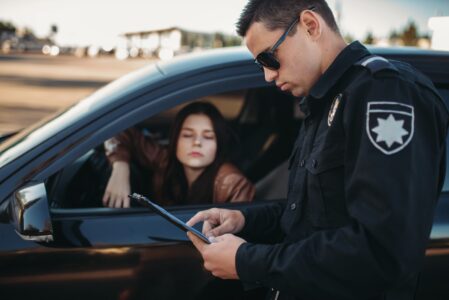
Most tint violations start with a visual impression. An officer notices windows that look unusually dark, especially the front side windows, and decides to take a closer look during a traffic stop. Tint alone can sometimes be the reason for the stop itself.
Officers may use a handheld tint meter to measure visible light transmission. The device slides over the window and gives a reading in seconds, showing whether the glass and film fall below the legal limit. A reading that’s too low can lead to a citation.
Drivers with medical conditions that require extra protection from sunlight may qualify for an exemption through the Arizona Department of Transportation. Those exemptions require proper documentation, and carrying that paperwork in the vehicle can help avoid confusion during a stop.
When Dark Tint Creates More Than a Legal Problem
Tint that looks great at noon can become a real problem after sunset. Very dark windows reduce how much light reaches the driver’s eyes, making it harder to see the road, especially on poorly lit streets or in rainy conditions.
Pedestrians are particularly hard to spot through heavy tint. Someone in dark clothing crossing outside a crosswalk can blend into the night, and a few lost seconds of recognition can make a real difference when a driver needs to stop.
Intersections pose another challenge. Making eye contact with other drivers, cyclists, and pedestrians becomes harder through dark glass, and judging gaps in traffic can get trickier. Tint that blocks too much light can quietly chip away at a driver’s ability to react safely.
Conclusion
Window tint can make life on Arizona roads more comfortable, cutting heat, glare, and UV exposure. Used wisely, it’s a practical upgrade that suits the desert climate and protects both drivers and their vehicles.
The key is staying within the limits. Front side windows, windshields, and rear windows all follow different rules, and reflectivity and color restrictions matter too. A reputable tint shop should know the requirements, but double-checking current rules is always a smart move.
Drivers with medical needs may qualify for exemptions, but everyone else benefits from choosing a compliant tint. That balance keeps cars cool, roads safer at night, and wallets safe from unnecessary tickets and do-over installations.