
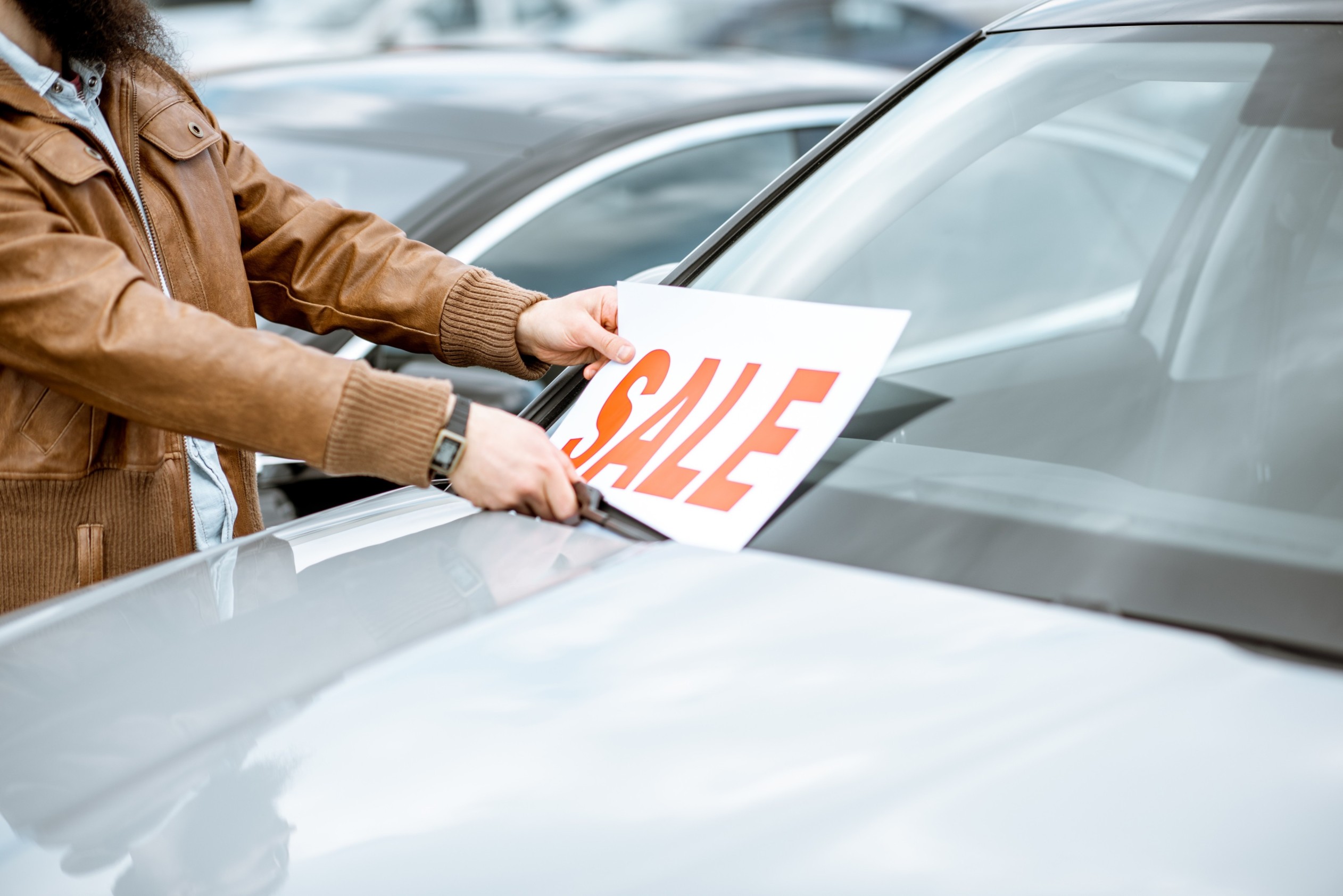
Selling a car is not just about finding a buyer—it’s also about protecting yourself legally while getting the best possible price for your vehicle. Many car owners rush through the process and overlook important legal and documentation steps that can affect both the value of the car and the safety of the transaction.
With the right preparation, proper paperwork, and a few practical improvements, you can increase your car’s market value while creating more trust with potential buyers.
In this guide, you’ll learn simple legal and practical tricks to boost your car’s selling price and make the selling process smoother and safer.
1. First Impressions Matter in Any Vehicle Sale
When buyers see your car for the first time, they immediately judge how well it has been maintained. A clean and organized vehicle not only looks more valuable but also suggests responsible ownership.
Wash and wax the exterior properly, clean the windows and headlights, and remove stains or clutter from the interior. Professional detailing can help improve the car’s appearance significantly.
A well-presented car can also reduce disputes during negotiations because buyers can clearly see the vehicle’s condition before purchase.
2. Fix Minor Issues Before Listing the Vehicle
Small problems such as broken lights, scratched paint, worn-out wipers, or warning lights on the dashboard may lower your vehicle’s value and raise concerns for buyers.
Before selling, handle minor repairs and basic maintenance checks. Ensuring that the vehicle is roadworthy and safe can help prevent future legal disagreements related to undisclosed defects.
Simple repairs often cost far less than the reduction buyers may demand during negotiation.
3. Organize All Ownership and Maintenance Documents
One of the best ways to increase your car’s resale value is by proving legal ownership and proper maintenance history.
Keep all important records ready, including:
- Registration documents
- Service and repair records
- Insurance paperwork
- Inspection certificates
- Warranty information (if available)
- Receipts for major repairs or upgrades
A complete maintenance history builds buyer confidence and demonstrates transparency. Buyers are usually willing to pay more for a vehicle with verified records and a clear ownership history.
4. Be Honest About the Vehicle’s Condition
Transparency is extremely important in private vehicle sales. Hiding major issues or providing misleading information can create legal complications after the sale.
When writing your listing, clearly mention:
- Mileage
- Accident history (if any)
- Mechanical condition
- Modifications or upgrades
- Existing faults or repairs
An honest description helps attract serious buyers and reduces the risk of disputes after ownership transfer.
5. Take High-Quality Photos for Your Listing
If you are selling your car online, good photos can significantly improve buyer interest.
Take clear photos in daylight and include images of the:
- Front and rear exterior
- Interior and dashboard
- Tires and engine
- VIN plate (if appropriate)
- Special features or upgrades
Accurate photos help buyers assess the vehicle properly before contacting you, which can save time and reduce misunderstandings during negotiations.
6. Understand the Vehicle’s Market Value
Before setting a price, research your car’s current market value based on its condition, mileage, and demand.
You can compare similar listings online or check a cash for cars online quote to estimate a fair selling price. This helps you avoid undervaluing the vehicle or setting an unrealistic price that discourages buyers.
Knowing the market value also strengthens your position during negotiations.
7. Prepare a Proper Bill of Sale
A bill of sale is an important legal document that protects both the buyer and seller.
The document should include:
- Buyer and seller information
- Vehicle details and VIN
- Sale price
- Date of sale
- Odometer reading
- Signatures of both parties
This written agreement helps confirm the terms of the transaction and may help prevent legal disputes later.
8. Transfer Ownership Correctly
One of the biggest mistakes sellers make is failing to complete the ownership transfer process properly.
After the sale:
- Notify the relevant transport authority
- Transfer registration officially
- Cancel or update insurance policies
- Remove toll or tracking accounts linked to the car
Completing the legal transfer protects you from future liability if the buyer receives fines or becomes involved in an accident after the sale.
9. Be Smart During Negotiations
Negotiation is a normal part of selling a vehicle. Set your asking price slightly higher than your minimum acceptable amount so you have room to negotiate.
Stay calm and professional during discussions. Buyers are more likely to trust sellers who provide complete documentation and communicate honestly.
Strong paperwork, maintenance records, and a well-maintained vehicle can justify a higher selling price.
Conclusion
Boosting your car’s selling price is not only about appearance—it also involves legal preparation, transparency, and proper documentation.
A clean vehicle, complete records, honest communication, and a legally secure transaction can increase buyer confidence and help you achieve a better final price.
By combining practical improvements with proper legal steps, you can sell your car faster, safer, and for a higher value.