There is no single number sitting on a claim that tells an attorney what compensation may look like. The answer has to be built from the records and losses connected to the accident. Medical treatment can show the extent of an injury, employment records can show lost income, and repair bills can document property damage. Accident reports and insurance records add another layer to the review.
For drunk driving accident compensation, an attorney may bring all of this information together to assess the claim as a whole. The important part is not simply adding expenses, but understanding what each record says about the losses caused by the crash.
Reviewing the Injuries and Medical Treatment
The first part of the review often involves the injuries caused by the accident. A person may need emergency treatment, follow-up appointments, physical therapy, surgery, or other forms of care. The type of treatment can provide important information about the seriousness of the injuries.
Medical records help document what happened after the crash. Bills can show the cost of treatment, while other records may show how long care continued. An attorney can review these documents to understand the medical losses connected to the accident.
The review may also include information about ongoing care if the injuries require treatment beyond the first few visits.
Measuring the Financial Impact
Medical expenses are only one part of the financial picture. An accident can also affect a person’s ability to work and earn income.
An attorney may review employment records, pay information, and other documents that show income lost because of the accident. If the person could not work for a period of time, those records may help document the financial effect.
Other accident-related expenses may also need to be considered. Looking at these costs together gives a clearer view of how the crash affected the person’s finances.
Examining Property Damage and Other Costs
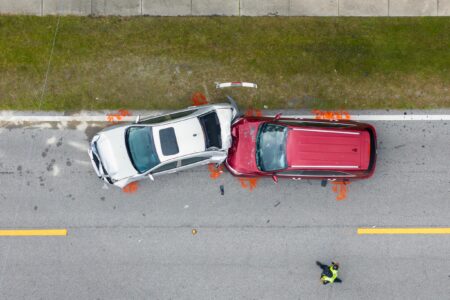
A serious collision can cause significant damage to a vehicle and personal property. Repair estimates, invoices, photographs, and other records can help document these losses.
Property damage is different from medical or income-related losses, but it can still form part of the overall claim. An attorney may examine the repair costs, the condition of the vehicle, and other available records.
There may also be additional expenses connected to the accident. The relevant costs depend on the facts and the documentation available for review.
Considering the Circumstances of the Crash
The circumstances surrounding a drunk driving accident can also affect how a claim is evaluated. An attorney may review the accident report, witness statements, photographs, and records related to the driver’s condition.
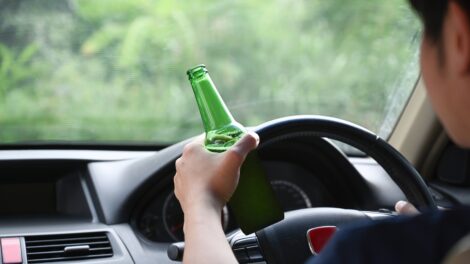
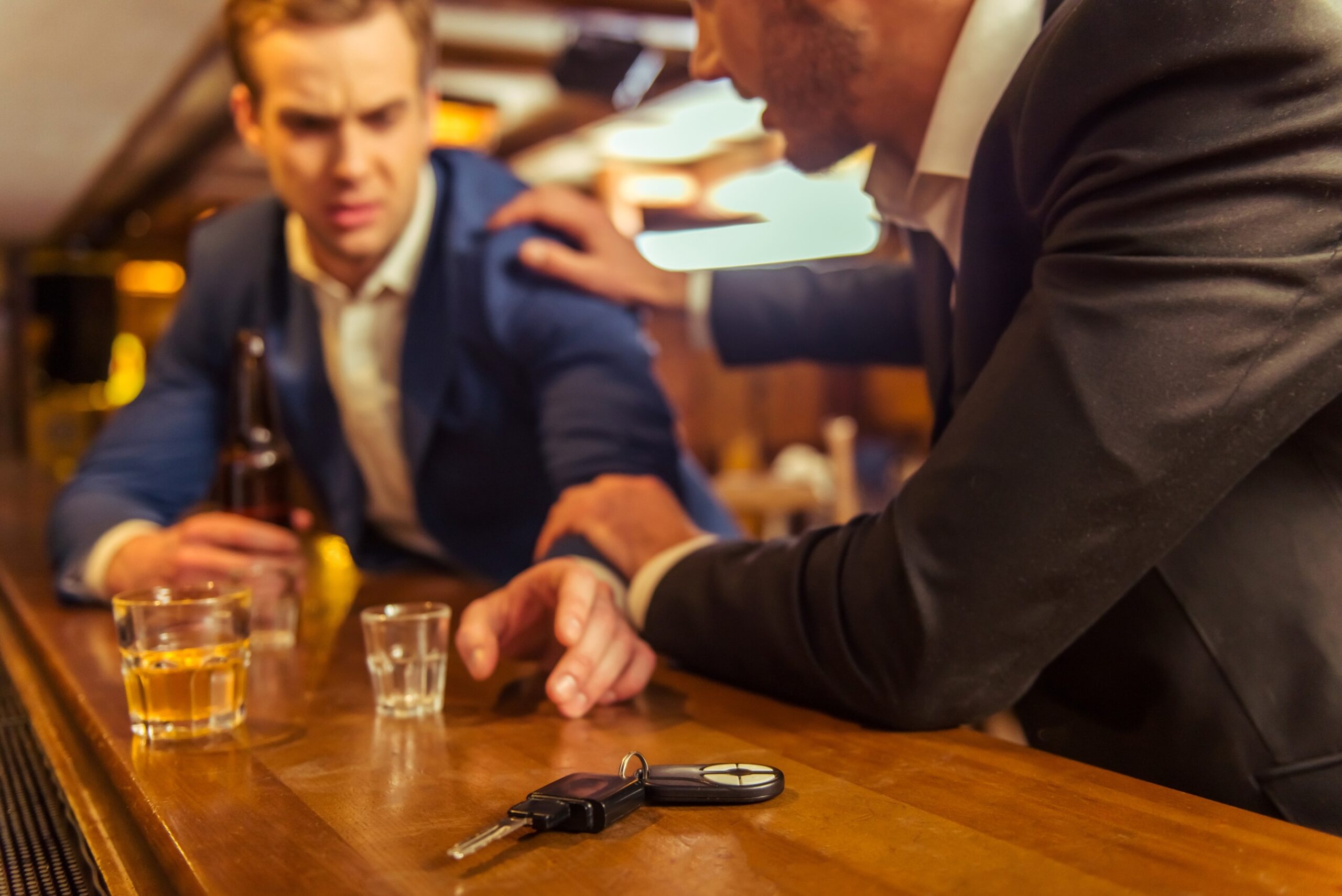
Evidence showing that alcohol was involved can become part of the factual record. Other details about the crash may also matter, including how the collision happened and what the available evidence says about responsibility.
The purpose of reviewing these facts is to understand the complete circumstances of the accident rather than relying on one report or statement.
Reviewing the Insurance Position
Insurance can add another layer to the compensation process. After an accident, an insurer may investigate the claim, request medical or accident records, and make decisions about coverage and responsibility.
An attorney can review the insurance position along with the evidence supporting the claim. Settlement offers may also need to be considered against the documented injuries, expenses, lost income, and property damage.
Insurance discussions can become more complicated if there is disagreement about responsibility, coverage, or the losses being claimed. The available policy information and facts of the accident help determine how these issues are assessed.
Putting the Losses Into One Overall Assessment
The final evaluation is not based on one document or one expense. An attorney may bring together medical records, financial documents, property damage information, accident evidence, and insurance details to assess the claim as a whole.
Each record serves a different purpose. Medical documents support injury-related losses, employment records can show lost income, and repair documents can support property damage. Accident evidence provides the facts surrounding the collision.
An attorney can compare these records and identify whether the claimed losses are supported by the information available. This creates a more complete assessment instead of relying on a rough estimate.
Summing Up!
Evaluating compensation after a drunk driving accident involves looking at the entire claim, not simply counting the bills that appear first. Injuries, medical care, lost income, property damage, accident evidence, and insurance issues can all form part of the review.
Drunk driving accident compensation is therefore assessed by examining how these different losses connect to the accident and what records support them. An attorney’s role is to review those details, organize the available evidence, and assess the legal claim based on the facts of the individual case.