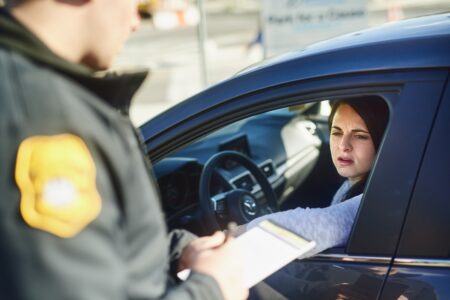
A traffic stop can feel routine. Then the officer mentions a “radar warning,” and the tone shifts. Many Kansas City drivers have never heard the term before. Others assume it means the same thing as speeding. It doesn’t.
Radar warning charges confuse people because they sound technical but often rest on small details. The good news is simple. These cases are usually defensible when appropriately handled.
This guide explains what radar warning charges mean in Missouri and the defense options available.
What a radar warning charge actually means
A radar warning charge usually relates to devices designed to detect police radar. Missouri law restricts specific radar detection tools, especially those meant to interfere with speed measurement.
Not all devices are illegal. Some only alert drivers without blocking signals. Others cross the line. The charge depends on what the officer believes the device does and how it was used.
That distinction matters more than most people realize.
Why radar warning stops happen during routine traffic stops
Most radar warning cases begin with a basic traffic stop. Speeding, lane issues, or equipment problems often start the interaction. During the stop, officers may notice a device on the dashboard or windshield.
If the device appears to detect or interfere with radar, questions follow. Officers rely on training and observation. Mistakes happen. Assumptions happen, too.
That’s where defense options often begin.
Radar detectors versus radar jammers: the key difference
Radar detectors and radar jammers are not the same thing. Detectors receive signals and alert the driver. Jammers send signals to disrupt radar readings.
Missouri law focuses on interference, not awareness. Devices that interfere face stricter limits. Many drivers legally use detectors without issues.
Mislabeling a detector as a jammer can change the charge. That error matters in court.
Everyday situations that lead to radar warning citations
Some drivers install devices without knowing how they work. Others borrow cars with equipment already installed. Rental vehicles sometimes include unfamiliar electronics.
Visibility also plays a role. Devices mounted openly draw attention. Even inactive devices can raise suspicion during stops.
Context matters. Courts often review how and why the device was noticed.
What must officers show for a valid charge?
Officers must support the charge with facts. They need to show the device meets the legal definition tied to the violation. Assumptions alone do not always hold up.
Details like placement, function, and operation matter. Was the device active? Did it interfere? Was it even capable of doing so?
These questions form the backbone of many defenses.
Why these cases feel technical but hinge on simple facts
Radar warning cases sound complex. In reality, they often come down to basics. What device was present? What does it do? Was it used as claimed?
Technical terms can distract from the lack of proof. Courts still require clear evidence. Without it, the case weakens.
This is where careful review pays off.
Possible defense option: challenging device classification
One defense option is to challenge the device’s classification. If it were a legal detector rather than an illegal jammer, the charge may fail.
Documentation helps here. Manuals, model numbers, and product specs often clarify function. Many devices are misunderstood during roadside stops.
Correcting that record matters.
Possible defense option: questioning officer assumptions
Officers rely on experience, but experience is not proof. Assuming a device interferes without testing or verification can weaken the case.
Courts look at how conclusions were reached. If no test occurred, that gap matters. Defense arguments often focus on these missing steps.
Small gaps can shift outcomes.
Possible defense option: improper stop or search issues
Some radar warning cases involve stop-and-search concerns. If the halt lacked proper cause, the evidence may be reviewed. Consent also matters when devices are inspected.
Drivers often agree without knowing their rights. That doesn’t always settle the issue. Courts still examine procedure.
These angles depend on details from the stop.
What penalties may follow a radar warning conviction
Penalties vary by case. Fines are common. Court costs add up. Some cases involve equipment confiscation.
Points may apply if tied to other violations. Insurance impacts often follow. Even minor convictions can affect rates.
That long view matters more than the fine alone.
Why paying the ticket right away can limit options
Many drivers pay radar warning tickets to move on. That choice often closes doors. Payment usually equals accepting guilt.
Once paid, defenses disappear. Reviewing the case first keeps options alive. That pause often changes outcomes.
Speaking with a Kansas City speeding ticket lawyer before paying protects flexibility.
How Speeding Ticket KC approaches radar warning cases
Speeding Ticket KC handles traffic cases across the Kansas City courts. Radar warning charges require a close review of devices and stop details. That’s familiar ground for their team.
They focus on facts, not fear. Device specs, officer reports, and procedure all matter. Many cases hinge on what’s missing, not what’s claimed.
Clear advice helps drivers make confident next steps.
What to expect if your case goes to court
The court feels formal, even for technical charges. Judges expect clarity and preparation. Confusion helps no one.
Having guidance brings structure. It also keeps focus on evidence, not assumptions. That support often reduces stress during hearings.
Preparation shapes perception.
A brief pause before the FAQs
Radar warning charges often sound worse than they are. Still, ignoring them invites trouble. Understanding the charge and possible defenses keeps the situation manageable.
Now, let’s answer the questions drivers ask most often.
FAQs About Radar Warning Charges in Kansas City
- Is using a radar detector illegal in Missouri?
Radar detectors are generally legal for private vehicles in Missouri. The law focuses on devices that interfere with police radar. Misunderstanding between detectors and jammers causes many citations.
- Can an officer confiscate my device during a stop?
Confiscation depends on the charge and circumstances. Some devices may be seized as evidence. Proper procedure matters. Courts often review whether the seizure was justified.
- What if the device were turned off?
Inactive devices still raise questions, but activity matters. Proving a device was off can support a defense. Documentation and testimony help clarify this point.
- Will a radar warning charge affect my insurance?
It can. Insurers review driving records closely. Even technical violations may impact rates, especially when combined with other tickets.
- When should I contact a lawyer after a radar warning charge?
As soon as possible. Early review protects options and evidence. Firms like Speeding Ticket KC can assess device details before penalties lock in.