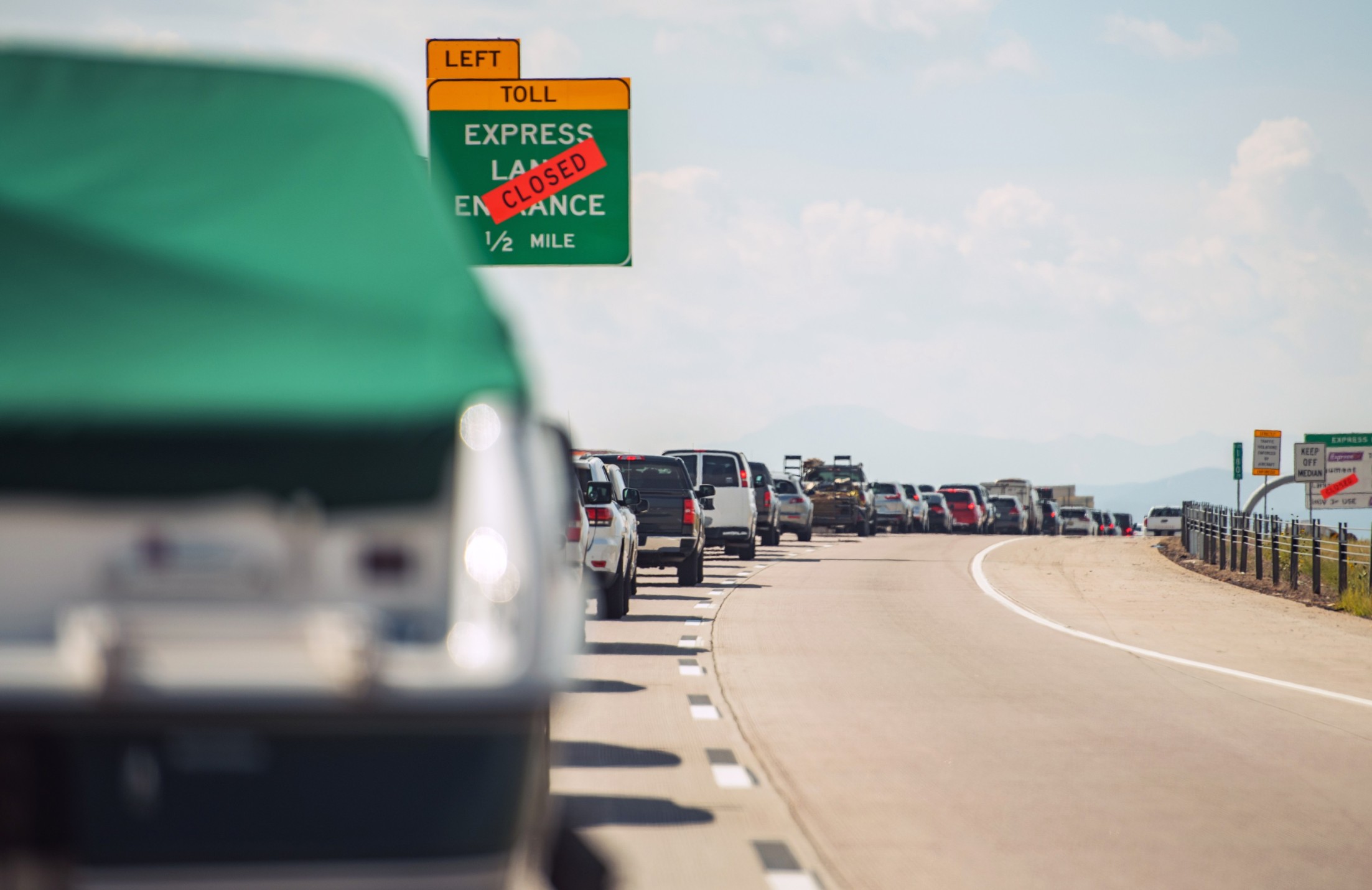
Orange barrels. Flashing signs. A row of concrete barriers stretching across what used to be a perfectly usable road. Kansas City drivers know this scene well — probably too well. Between the ongoing highway projects, flood-prone corridors near the Missouri River, and the constant downtown construction activity, road closures are practically a seasonal feature of driving here.
Most drivers reroute, grumble a little, and move on.
Some don’t. And the ones who squeeze past a barricade, duck around a closure sign, or just decide the blockage doesn’t apply to their situation — those drivers often end up facing consequences that feel wildly disproportionate to a three-second decision.
The Reasoning That Gets Drivers Into Trouble
There’s a particular logic to barricade violations that’s worth naming directly, because it’s almost universal. The road looks fine. No workers are visible. The closure seems precautionary — maybe even excessive. You’ve driven that stretch a hundred times, and nothing’s obviously wrong. So you go through.
The problem is that barricades communicate information a driver can’t access from behind the wheel. Unstable pavement beneath a normal-looking surface. An open trench around the next bend. Equipment staged just out of sight. Emergency personnel are working in an area that looks clear from the approach. The barricade isn’t arbitrary — it’s telling you something specific about what’s ahead, and Missouri law treats ignoring it as a serious decision, not a minor shortcut.
You know what makes this worse? The “it looked fine” argument doesn’t carry legal weight. Courts don’t evaluate barricade violations based on whether the road turned out to be passable. The violation exists the moment a driver passes an official closure — regardless of outcome.
Where Kansas City Drivers Run Into This
Kansas City’s geography creates specific barricade violation patterns that officers know well.
Flash flooding along the Blue River corridor, the Turkey Creek watershed, and roads near the confluence of the Kansas and Missouri Rivers leads to emergency closures that go up fast — sometimes within minutes of a heavy rain event. Drivers who know a road and assume the barricade is precautionary push through. Sometimes the water is indeed manageable. Sometimes it isn’t, and what follows is a water rescue situation that adds a completely different layer of legal exposure.
Construction zones are the other major category. The ongoing I-670 work, the regular disruptions around downtown, the perpetual state of repair on older surface streets in neighborhoods like Northeast Kansas City and Westside — these generate temporary barricades constantly. Drivers familiar with the pre-construction routes sometimes treat new closures as optional, particularly late at night when enforcement feels less likely.
Event closures downtown — Chiefs games at GEHA Field, Royals home games, major festivals in the Crossroads or along the riverfront — create temporary barricades that confuse drivers unfamiliar with the event footprint. Officers stationed at those closures are specifically watching for drivers who ignore them.
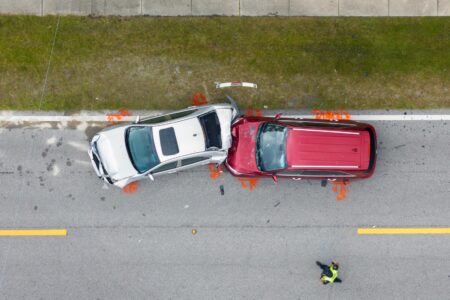
Emergency closures are the most serious setting of all. An accident scene, a gas leak, downed power lines — those barricades protect both the public and the people working the scene. Driving through them doesn’t just create a legal problem. It creates genuine physical danger for everyone present.
What the Law Says — and Why It Has Real Teeth
RSMo § 304.582 governs compliance with traffic control devices, and barricades fall squarely within that definition. When an official closure is in place and properly marked, drivers are required to comply. The statute doesn’t offer a “reasonable person thought the road was fine” exception.
Missouri’s work zone laws add another layer. Inside marked construction zones, penalties are enhanced — fines can double, and courts treat violations with less leniency than standard traffic matters. The presence of workers on site at the time of a violation is a specific aggravating factor that influences both the charge and the sentencing approach.
Here’s the part that surprises people the most: the specific charges that result from a barricade violation depend heavily on context. A driver who slowly navigated around a single cone faces something very different from a driver who blew through a fully barricaded active construction zone. Officers and prosecutors have discretion in how they characterize what happened, and that discretion shapes everything that follows.
That same discretion, though, also means there’s room to challenge how a violation was characterized. A judgment call can be examined. A legal review can assess whether the officer’s account accurately reflects the circumstances, whether the closure was adequately marked, and whether the specific charges fit what actually happened.
The Financial and Legal Hit People Don’t Anticipate
Let’s talk numbers, because this is where barricade violations stop feeling abstract.
Points hit the license — typically two to four, depending on the specific charge. Missouri suspends licenses at eight points within 18 months. If there’s any prior history on the record, a barricade violation can push a driver past that threshold faster than they expect.
Fines are higher inside work zones than standard traffic fines. That’s intentional — Missouri’s enhanced work zone penalties exist specifically to make drivers think twice. On top of the base fine, court costs add up. And if the situation involved an active emergency closure, expect the fine structure to reflect that seriousness.
Insurance responds to moving violation convictions the same way it always does — by raising premiums at renewal. Work zone violations and emergency closure violations signal elevated risk to carriers. Premium increases of 20 to 30 percent aren’t unusual, and they stick around across multiple renewal periods. Spread that out over three or four years and the financial impact dwarfs the original fine by a significant margin.
Paying the ticket without exploring options locks all of this in permanently. That’s the decision worth pausing on before logging onto a payment portal.
A Missouri traffic ticket lawyer at Speeding Ticket KC reviews these cases with fresh eyes — looking at what the officer documented, how the closure was marked, whether the specific charge fits the circumstances, and what paths exist toward reduction or dismissal. The firm works with Kansas City traffic courts regularly and understands how these cases get evaluated locally. That familiarity with prosecutors and judges is the kind of practical advantage that changes outcomes.
When a Barricade Violation Becomes Something More Serious
Most barricade citations stay in traffic court. The driver pays a fine, takes the points, learns something about road closures, and moves on. That’s the typical arc.
But not always.
If a driver ignored a barricade and caused an accident — especially one involving injuries — the situation escalates into potential criminal territory. Reckless driving charges become possible. In serious injury cases, prosecutors have tools that go well beyond traffic court. The original barricade violation becomes one piece of a larger legal picture, and the exposure is significantly higher.
Emergency closure violations carry their own elevated risk. Interfering with emergency operations — even unintentionally, by driving through a police or fire scene barricade — can result in obstruction charges on top of the traffic violation. Officers working those scenes respond seriously when drivers ignore closures.
Getting legal review early matters most in these elevated situations. The sooner an attorney examines what happened, the more options exist.
Questions Kansas City Drivers Ask About Barricade Violations
1. What if the barricade wasn’t clearly marked or was partially knocked over?
Signage adequacy is a real legal factor. Missouri holds agencies and contractors to specific standards for road closure marking. If a barricade was damaged, obscured, inadequately lit for nighttime conditions, or positioned in a way that made the closure genuinely ambiguous, that failure matters in court. Document the site as quickly as possible after a citation — photographs of the closure setup, lighting conditions, and any missing or damaged signage give an attorney concrete material to work with. Details degrade fast, and specifics are what defenses are built on.
2. Are penalties actually doubled in construction zones?
Yes — and it’s meaningful. Missouri’s enhanced work zone penalties apply when construction or maintenance activity is actively underway in a marked zone. Fines for traffic violations inside those zones can double compared to standard rates, and courts typically approach these cases with less flexibility than ordinary traffic matters. Whether workers were physically present at the time of the violation is a key factual question because it directly affects the penalty tier that applies.
3. Can a barricade violation be reduced or dismissed?
In the right circumstances, yes. First-time offenders with clean records have realistic paths to negotiated reductions — sometimes to non-moving violations that carry no points and no insurance impact. Cases where closure marking was poor, circumstances were genuinely ambiguous, or the driver’s behavior was more confused than disregard give attorneys more room to work. Speeding Ticket KC assesses the specific facts honestly and tells clients what’s realistically achievable rather than offering generic reassurance.
4. What if I drove through a flood closure and made it safely?
Making it through doesn’t change the legal picture. Missouri flood closure violations are cited based on the act of passing the barricade — not the outcome. The risk created by the entry is what the law addresses. That said, context around how the closure was marked, what conditions looked like at that specific location and time, and whether alternative routes were clearly available all factor into how the case gets handled. Document everything you remember about the closure setup as soon as possible after the incident.
5. How quickly do I need to act after receiving this citation?
Faster than most people move. Kansas City court dates come up quickly, and the window for building a proper response narrows as deadlines approach. Missing a response deadline piles failure-to-appear consequences on top of the original violation — a problem that’s entirely avoidable with timely action. Speeding Ticket KC recommends reaching out within days of receiving any citation, not weeks. Early contact means more time to review the documentation, assess the options, and pursue the best available outcome before any deadlines close them off.
Final Words
Road closures exist because something on the other side of that barricade requires drivers to stay out. The law reflects that — clearly, with real consequences attached. A barricade violation feels minor in the rearview mirror until the citation arrives, the points register, and the insurance bill shows up. Knowing your options before any of that becomes permanent is always the smarter position to be in.